Landmark: Gurara Waterfalls
City: Abuja
Country: Nigeria
Continent: Africa
Gurara Waterfalls, Abuja, Nigeria, Africa
Gurara Waterfalls is a significant natural attraction located in the Gurara Local Government Area of Niger State, Nigeria, approximately 50 kilometers from Abuja.
Visual Characteristics
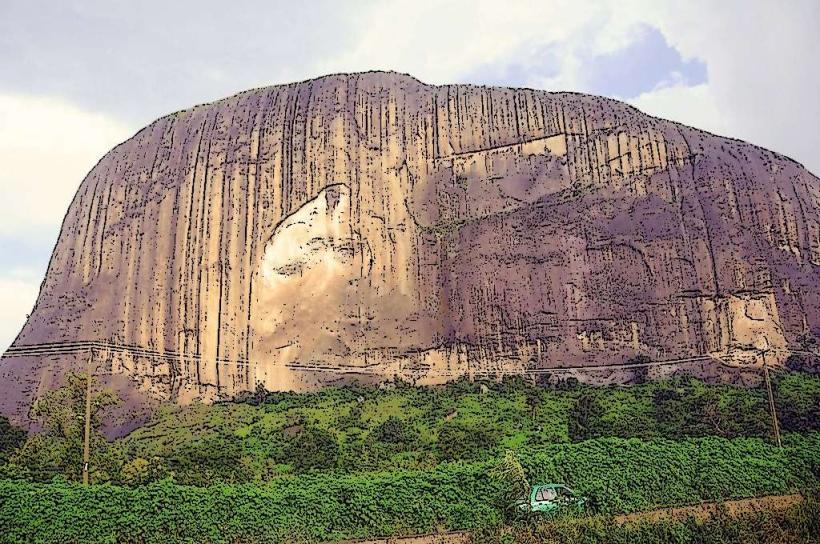
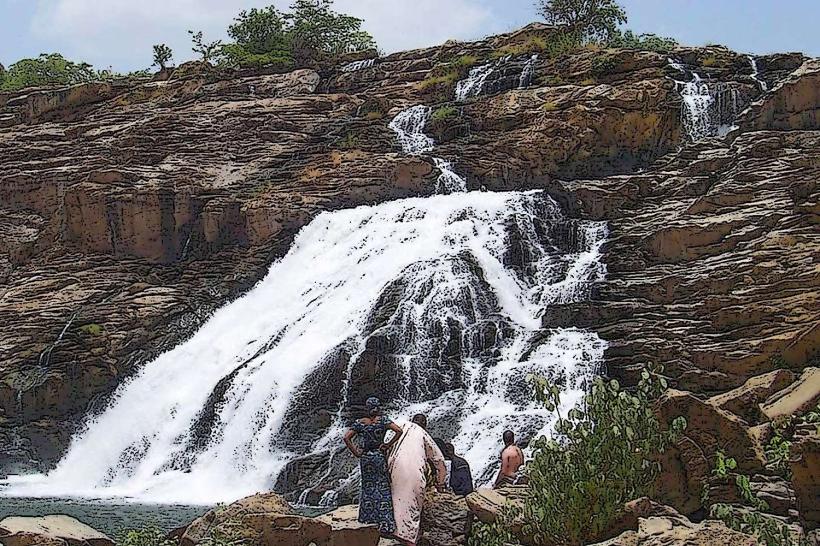
The waterfall cascades over a cliff face composed of sedimentary rock. The water plunges approximately 30 meters into a pool below. During the wet season, the volume of water creates a dense mist. The surrounding vegetation is tropical savanna, characterized by grasses and scattered trees.
Location & Access Logistics
Access is via the Bwari-Kaduna Expressway (A2). The turn-off for Gurara Waterfalls is clearly signposted from the expressway. The site is approximately 50 kilometers from the center of Abuja. Parking is available on-site, with designated areas for vehicles. Public transport options directly to the falls are limited; private vehicles or hired taxis are the primary means of access from Abuja.
Historical & Ecological Origin
The geological formation of Gurara Waterfalls is attributed to erosion over millennia, carving through the local rock strata. The area is part of the Nigerian savanna biome. Local oral traditions suggest the falls were once a place of worship for the Gwari people.
Key Highlights & Activities
Observation of the waterfall's descent is the primary activity. Swimming is permitted in the pool at the base of the falls, subject to water conditions and safety advisories. Hiking trails are present around the perimeter of the falls, offering different vantage points. Photography is a common activity, particularly during periods of high water flow.
Infrastructure & Amenities
Basic facilities are available, including restrooms and some shaded seating areas. Food vendors are typically present on weekends and public holidays, offering local snacks and beverages. Cell phone signal (4G) is generally available at the site.
Best Time to Visit
The most substantial water flow occurs during the rainy season, from April to October. For clearer views of the rock face and less turbulent water, the dry season (November to March) is preferable. Mid-morning offers good natural light for photography before the sun reaches its zenith.
Facts & Legends
A local legend states that the waterfall was discovered by a hunter named Gurara. It is also said that the falls were once considered sacred and used for rituals by the indigenous Gwari people, who believed spirits resided within the water.
Nearby Landmarks
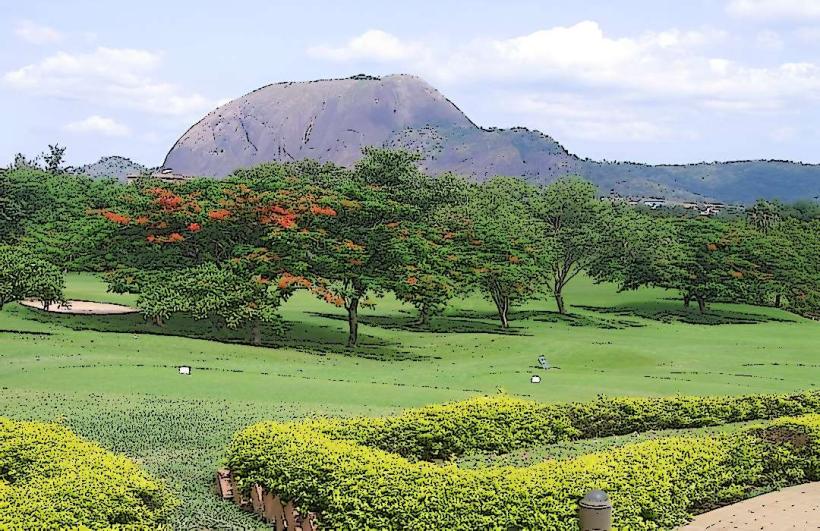
- Aso Rock (35km Southwest)
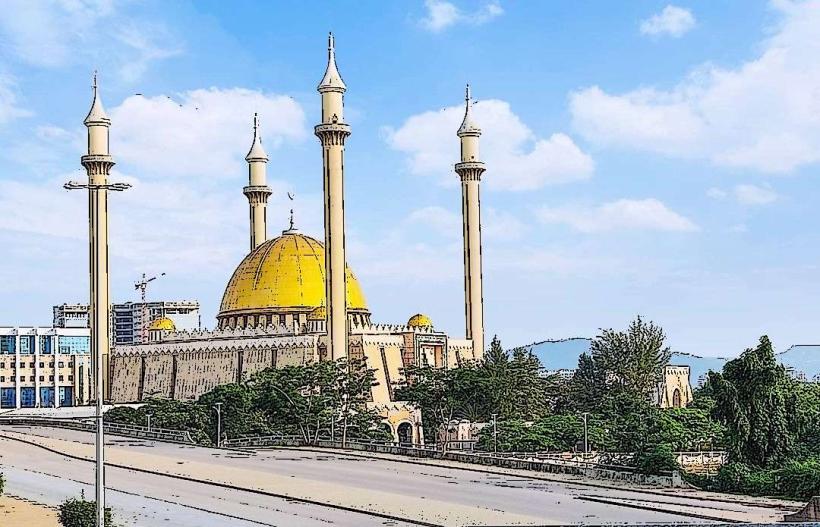
- National Mosque of Nigeria (40km Southwest)
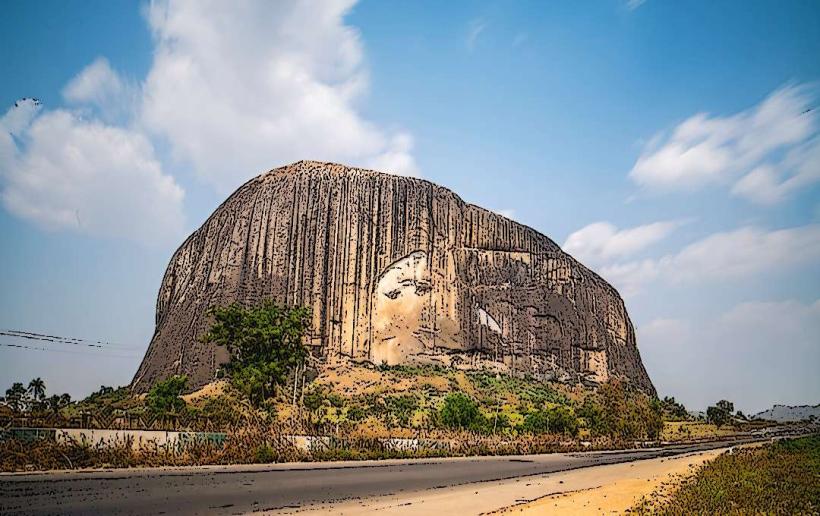
- Zuma Rock (25km Northwest)
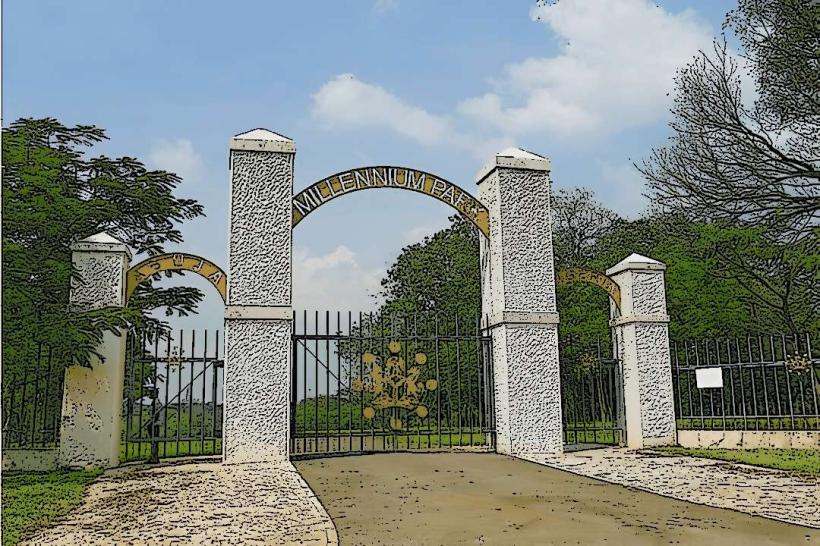
- Millennium Park (45km Southwest)