Landmark: Capitole de Toulouse
City: Toulouse
Country: France
Continent: Europe
Capitole de Toulouse, Toulouse, France, Europe
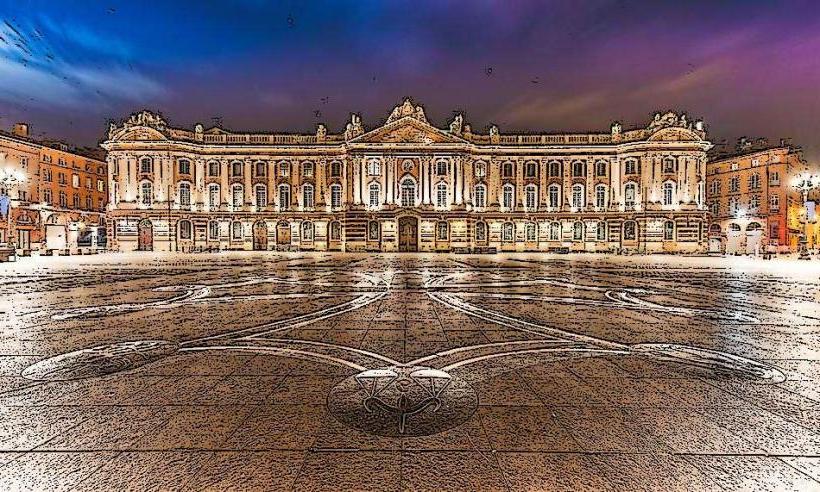
The Capitole de Toulouse is the municipal administrative center and primary landmark of Toulouse, France. Located in the city's historic core, it houses both the City Hall (Hôtel de Ville) and the Théâtre du Capitole (Opera House).
Visual Characteristics
The structure features an iconic 128-meter-long Neoclassical facade constructed from the city's signature red brick and white limestone. Eight marble columns dominate the central section, representing the eight historic "Capitouls" (city magistrates). The interior is characterized by the Salle des Illustres, a grand gallery decorated with 19th-century paintings and sculptures depicting Toulouse’s history.
Location & Access Logistics
The site is located at Place du Capitole, 31000 Toulouse. It is directly accessible via the Toulouse Metro Line A at the "Capitole" station. The surrounding square is entirely pedestrianized. Underground parking is available at the "Parking Indigo Toulouse Capitole," situated directly beneath the plaza.
Hours: Generally open Monday–Friday 08:30–19:00, Sunday 10:00–19:00. Closed Saturdays (due to weddings) and public holidays.
Admission: Entrance to the historic state rooms is free of charge.
Historical & Ecological Origin
The current building was largely constructed between 1750 and 1760, designed by architect Guillaume Cammas. It occupies the site of earlier administrative buildings dating back to the 12th century when the "Capitouls" governed the city. Geologically, the building sits on the clay-rich soils of the Garonne plain, which provided the raw material for the red "foraine" bricks that define the city's "Ville Rose" (Pink City) identity.
Key Highlights & Activities
Salle des Illustres: A designated historic monument featuring monumental frescoes by Henri Martin and Jean-Paul Laurens.
Théâtre du Capitole: A premier venue for opera and ballet, recognized as one of the most prestigious in France.
Cour Henri-IV: A Renaissance-era interior courtyard featuring a statue of Henry IV and marking the site where the Duke of Montmorency was executed in 1632.
The Arcades: The covered walkways on the western side of the square feature 29 ceiling paintings by Raymond Moretti illustrating the history of Toulouse.
Infrastructure & Amenities
Public restrooms are located within the Capitole building and near the entrance to the underground parking. The square is lined with historic cafes (e.g., Le Bibent) and restaurants. 5G cellular signal is consistently strong across the plaza. The building is equipped with elevators to provide access to the state rooms for individuals with reduced mobility.
Best Time to Visit
Optimal photography occurs at sunset or early morning when the red brick facade glows most intensely. To avoid crowds in the Salle des Illustres, mid-week morning visits are recommended.
Facts & Legends
The name "Capitole" refers to the "Capitouls," the magistrates who administered the city from the medieval period until the French Revolution. A grim historical fact: the martyr Saint Saturnin (Sernin) was allegedly dragged to his death from this site by a bull in 250 CE. Modern tradition involves citizens gathering in the square for major sporting victories, particularly those of the Stade Toulousain rugby team.
Nearby Landmarks
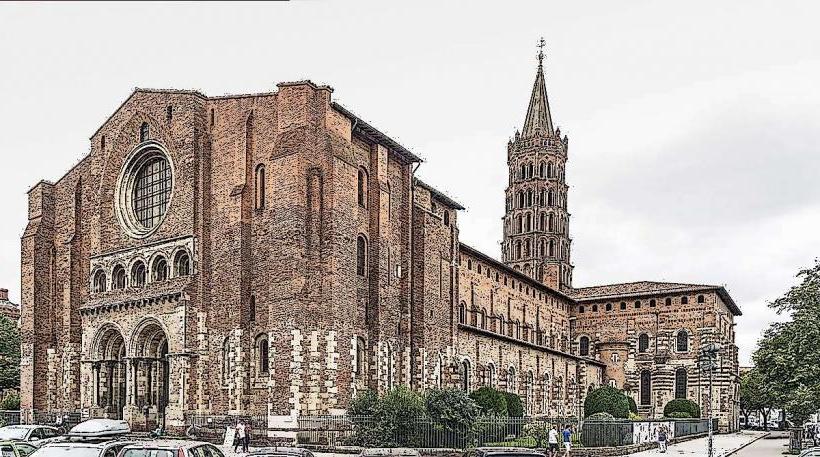
Basilique Saint-Sernin – 0.5km North
Couvent des Jacobins – 0.3km West
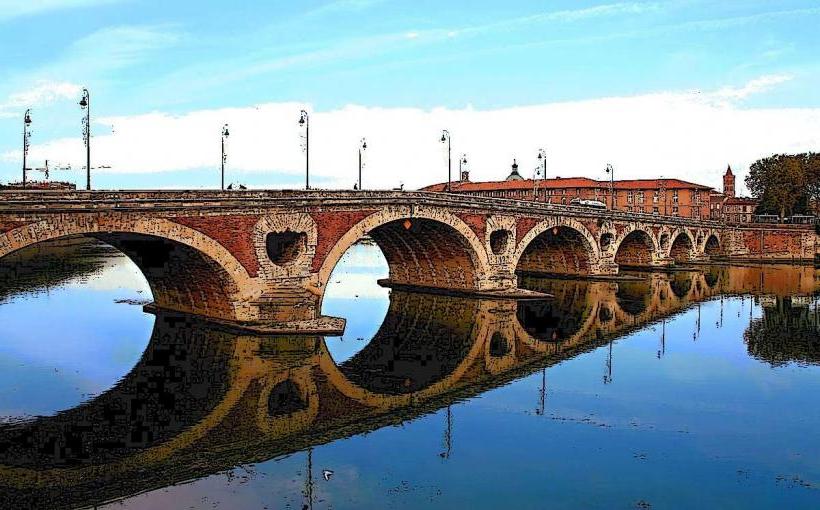
Pont Neuf – 0.7km Southwest
Place Wilson – 0.3km East
Garonne River – 0.6km West