Landmark: Carcassonne Castle
City: Toulouse
Country: France
Continent: Europe
Carcassonne Castle, Toulouse, France, Europe
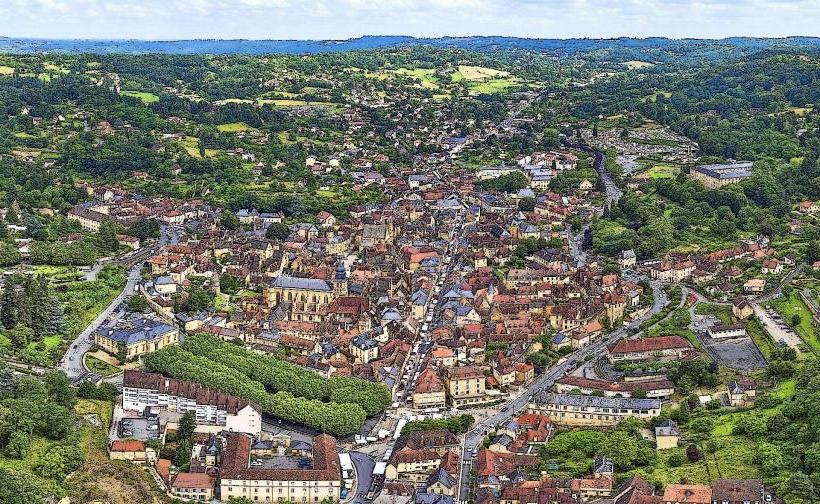
The Cité de Carcassonne is a medieval fortified city and UNESCO World Heritage site located in the Aude department, approximately 95 kilometers southeast of Toulouse. It is the largest fortress in Europe with its double circuit of defensive walls still intact.
Visual Characteristics
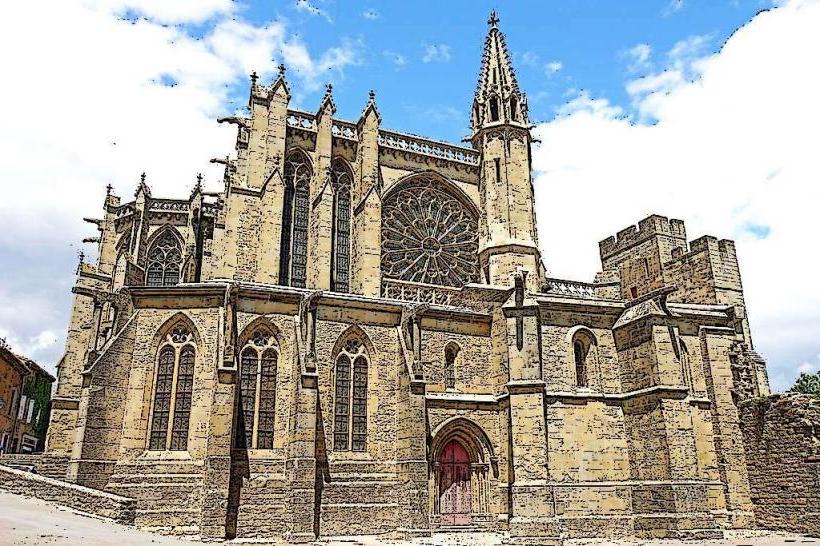
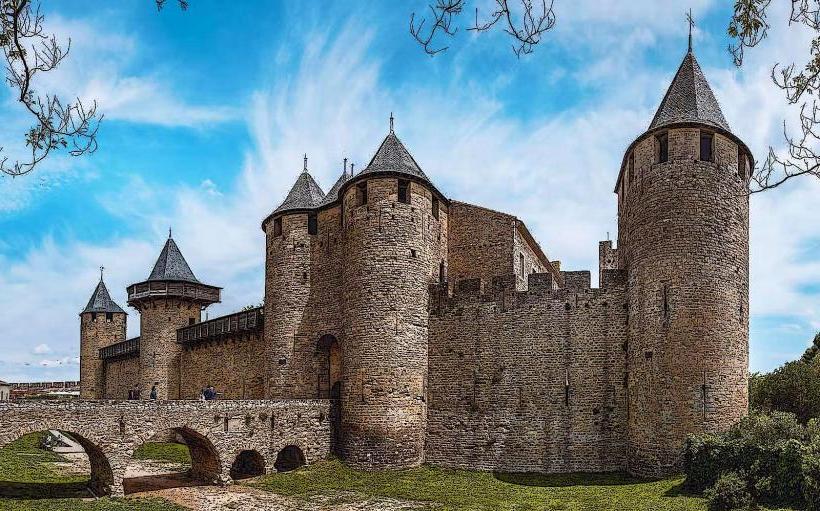
The fortress is defined by 3 kilometers of double ramparts and 52 massive stone towers topped with pointed slate roofs (added during 19th-century restorations). The structure is built primarily from local sandstone and features a central "keep" or Château Comtal (Count’s Castle), which is surrounded by its own dry moat and fortifications. The interior consists of a labyrinth of steep, narrow cobblestone streets and the Romanesque-Gothic Basilica of Saints Nazarius and Celsus.
Location & Access Logistics
The site is situated on a hill overlooking the modern town (Bastide Saint-Louis) and the Aude River. From Toulouse, it is accessible via the A61 motorway (60-minute drive) or by the TER/TGV train from Gare de Toulouse-Matabiau to Gare de Carcassonne (45–60 minutes). A shuttle bus (Navette Aéroport/Cité) connects the train station to the medieval city. The nearest parking is Parking P1 (Cité), located 200 meters from the Porte Narbonnaise entrance.
Historical & Ecological Origin
The site has been occupied since the Gallo-Roman period, with the inner walls dating back to the 3rd and 4th centuries. The current medieval configuration was largely completed during the 13th century after the Albigensian Crusade to serve as a royal fortress on the border between France and Aragon. By the 19th century, it had fallen into ruin and was slated for demolition before being restored by architect Eugène Viollet-le-Duc.
Key Highlights & Activities
Visitors can pay for access to the Château Comtal and walk along the interior ramparts for panoramic views of the Black Mountains and the Pyrenees. The Basilica of Saints Nazarius and Celsus is noted for its 13th and 14th-century stained-glass windows. The "Grand Tour" involves walking the entire perimeter between the two sets of walls (les lices).
Infrastructure & Amenities
Public restrooms are located near the Porte Narbonnaise and within the Château Comtal visitor center. 5G cellular coverage is available in the open plazas but restricted within the stone towers. The main thoroughfares are wheelchair accessible, though steep gradients and uneven cobblestones make navigation difficult. Numerous restaurants specializing in cassoulet and local craft shops are located within the city walls.
Best Time to Visit
Optimal photography occurs at sunrise or sunset when the sandstone glows orange; nighttime provides high-contrast views as the ramparts are fully illuminated. July and August are the peak tourist months, coinciding with the Festival de Carcassonne and a massive pyrotechnic display on July 14th. Weekday mornings in May, June, or September offer the lowest crowd density.
Facts & Legends
A historical oddity is that Viollet-le-Duc used pointed northern-style slate roofs for the towers during restoration, though historical evidence suggests the original roofs were likely flatter and tiled in the southern Roman style. The primary legend of the site concerns Lady Carcas, who supposedly saved the city from a five-year siege by Charlemagne by tricking his army into believing the city had infinite food supplies, leading to the name "Carcas sonne" (Carcas sounds).
Nearby Landmarks
Basilica of Saints Nazarius and Celsus: 0.1km South (within the walls)
Pont Vieux: 0.8km West (connects the Cité to the lower town)
Canal du Midi: 1.5km North
Châteaux de Lastours: 18km North
Lac de la Cavayère: 5km Southeast