Landmark: Saint Nazaire Basilica
City: Toulouse
Country: France
Continent: Europe
Saint Nazaire Basilica, Toulouse, France, Europe
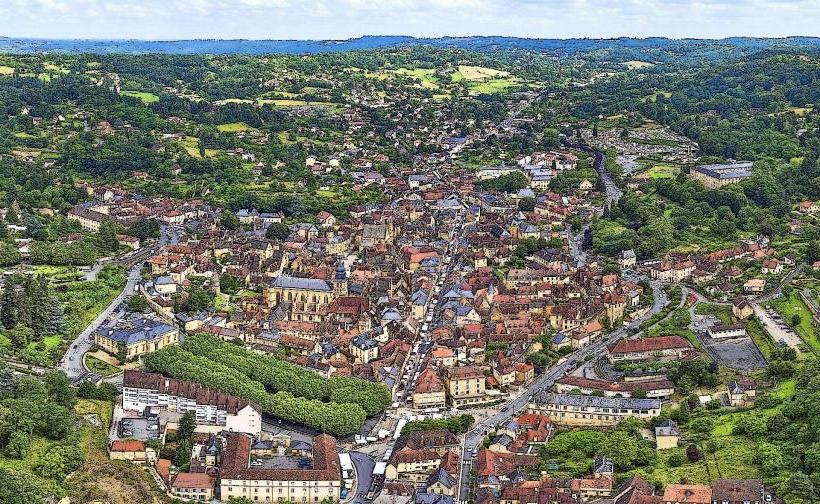
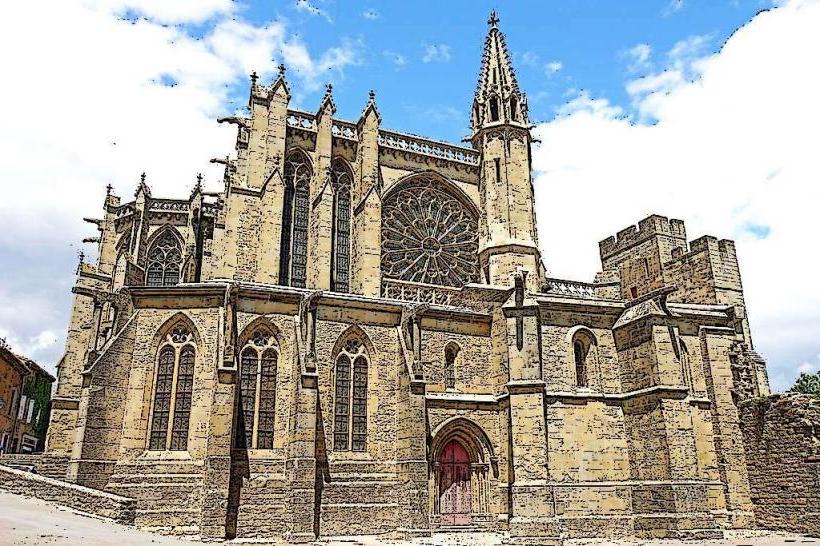
The Basilica of Saints Nazarius and Celsus (Basilique des Saints-Nazaire-et-Celse) is a Roman Catholic minor basilica located within the fortified medieval Cité of Carcassonne, approximately 95 kilometers southeast of Toulouse. It served as the city's cathedral until 1801 and is renowned for its harmonious blend of Romanesque and Gothic architectural styles.
Visual Characteristics
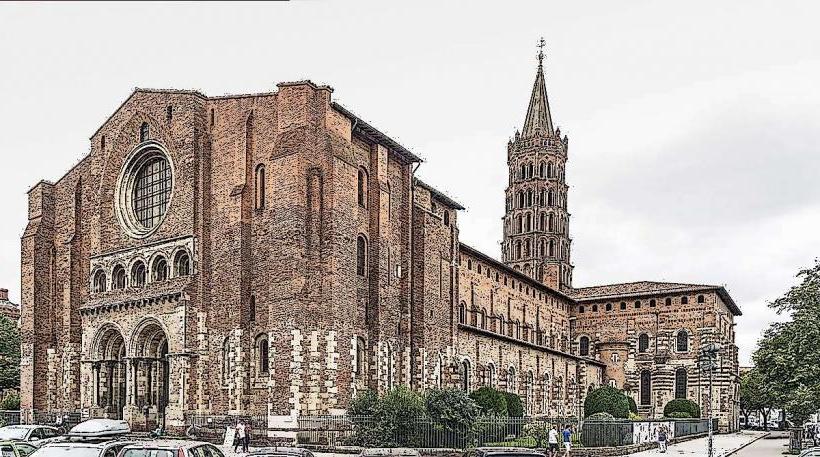
The structure is composed of a Romanesque nave from the 11th century and a Gothic transept and choir from the 13th and 14th centuries. The exterior is built from local sandstone and features a massive square bell tower, gargoyles, and flying buttresses. The interior is defined by a significant contrast between the somber, thick-walled Romanesque nave and the radiant Gothic choir, which contains one of the largest collections of medieval stained glass in southern France, including two circular rose windows.
Location & Access Logistics
The basilica is situated in the southern sector of the Cité de Carcassonne. From Toulouse, access is via the A61 motorway or a 45-minute train ride to Gare de Carcassonne. From the train station, visitors can take the "Navette Cité" bus or walk 20 minutes across the Pont Vieux. Vehicle access is prohibited within the walls; the nearest paid parking is Parking P1 at the Porte Narbonnaise, followed by a 400-meter walk through the pedestrian zone.
Historical & Ecological Origin
The site was originally occupied by a Carolingian church, followed by a Romanesque cathedral blessed by Pope Urban II in 1096. Following the Albigensian Crusade, the French administration expanded the building in the 13th century using the "Radiant Gothic" style to demonstrate royal power. The basilica sits on a limestone and sandstone promontory that forms the defensive foundation of the medieval city.
Key Highlights & Activities
Visitors can observe the 13th-century stained-glass windows, specifically the "Tree of Life" and "Tree of Jesse" windows in the choir. The basilica houses the Stone of the Siege, a carved relief believed to depict the 1209 siege of the city. Liturgical services are held regularly, and the church is a frequent venue for performances by the "Chœurs d'Hommes" (men's choirs) due to its superior acoustics.
Infrastructure & Amenities
Public restrooms are available near the Place Marcou, a 2-minute walk from the basilica. 5G cellular coverage is available in the square but signal penetration is limited inside the nave. The main floor of the basilica is wheelchair accessible via a side entrance, though the exterior approach involves uneven cobblestones. Small souvenir shops and cafes are located in the immediate surrounding streets.
Best Time to Visit
The best time for viewing the stained glass is mid-morning to noon when the sun illuminates the choir and rose windows. For photography of the exterior, late afternoon provides warm light on the sandstone walls. To avoid crowds, visit during the winter months or on weekday mornings; the basilica is most congested during the July Festival de Carcassonne.
Facts & Legends
A verified historical oddity is that the basilica was extensively restored by Eugène Viollet-le-Duc in the 19th century, who removed several Baroque additions to restore its medieval appearance. Local legend claims the basilica was built on a site of ancient pagan worship. The tomb of Simon de Montfort, a key figure in the Albigensian Crusade, was originally located here before his remains were moved to Toulouse.
Nearby Landmarks
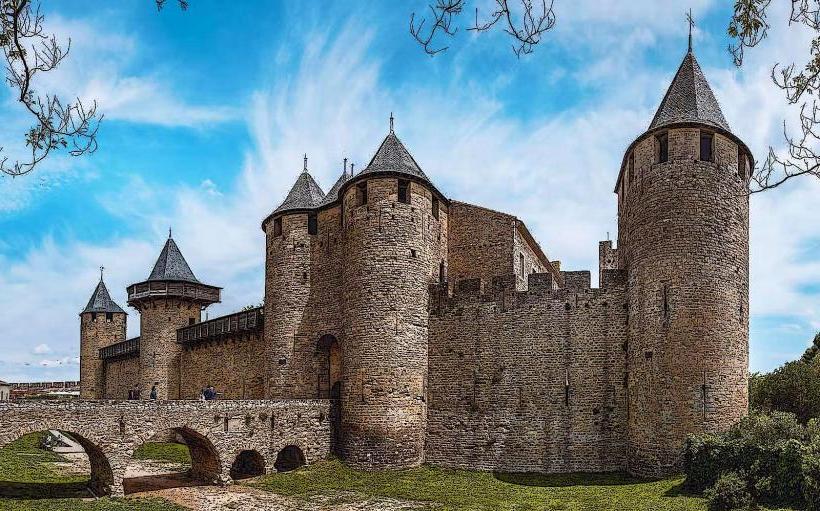
Château Comtal: 0.2km North
Porte de l'Aude: 0.3km West
The Ramparts of Carcassonne: 0.05km South
Théâtre Jean-Deschamps: 0.1km East
Grand Puits (The Great Well): 0.2km Northwest