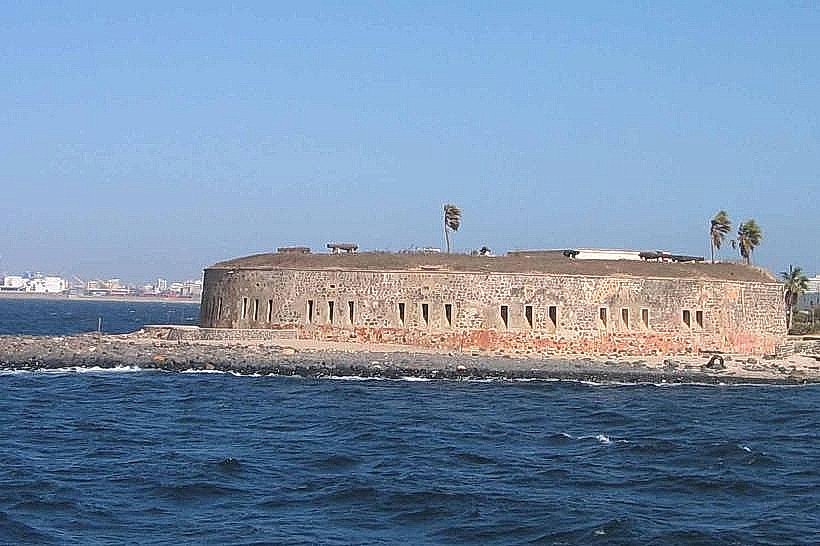
Landmark: Castel of Goree
City: Dakar
Country: Senegal
Continent: Africa
Castel of Goree, Dakar, Senegal, Africa
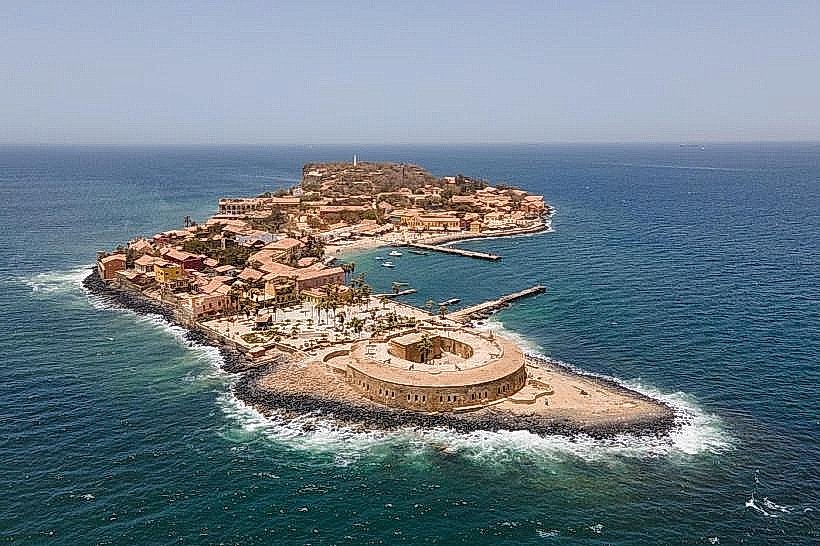
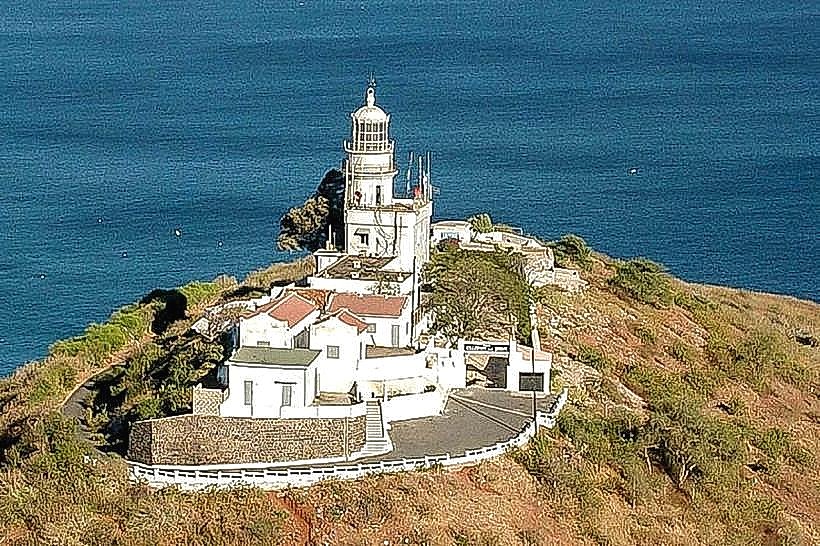
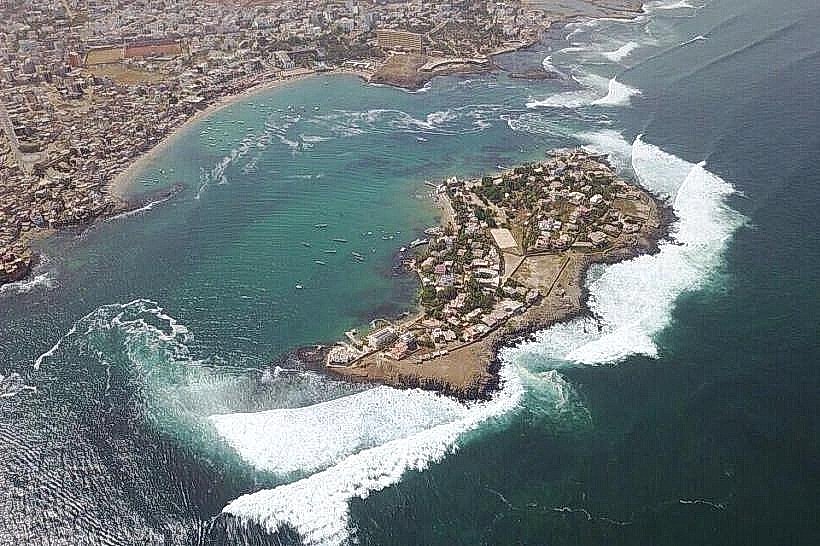
The Castel of Gorée is a fortified basalt plateau situated at the southern tip of Gorée Island, Dakar. It is the highest geographical point on the island and served as a strategic military defense post from the 17th century through the mid-20th century.
Visual Characteristics
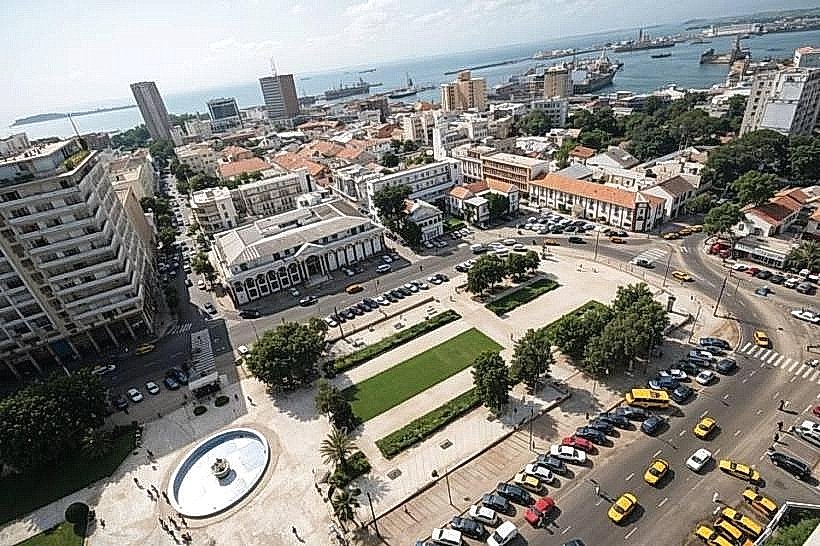
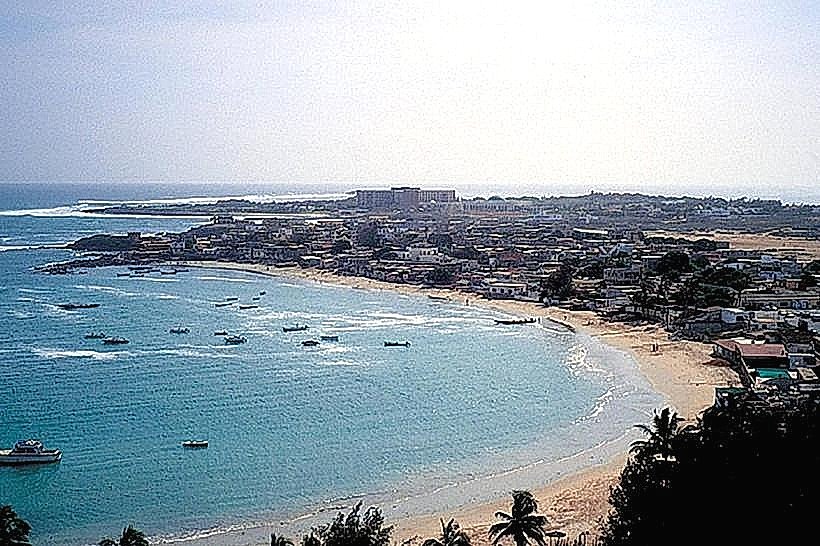
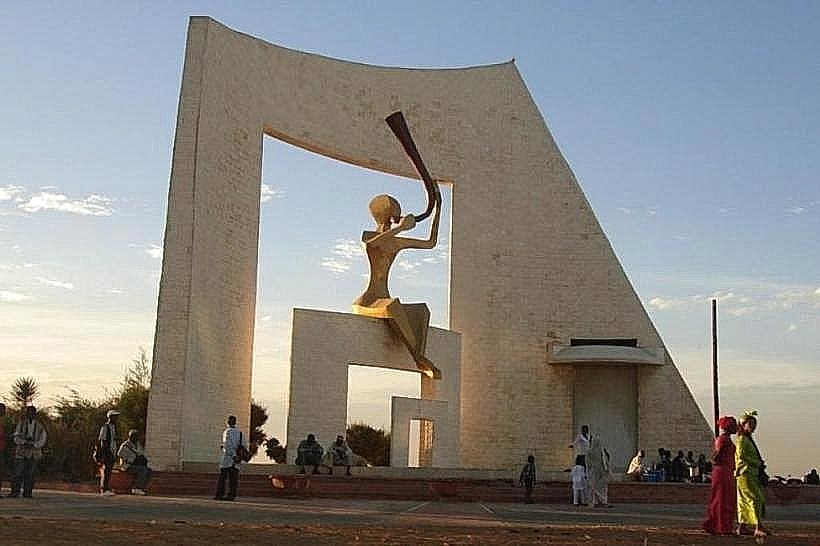
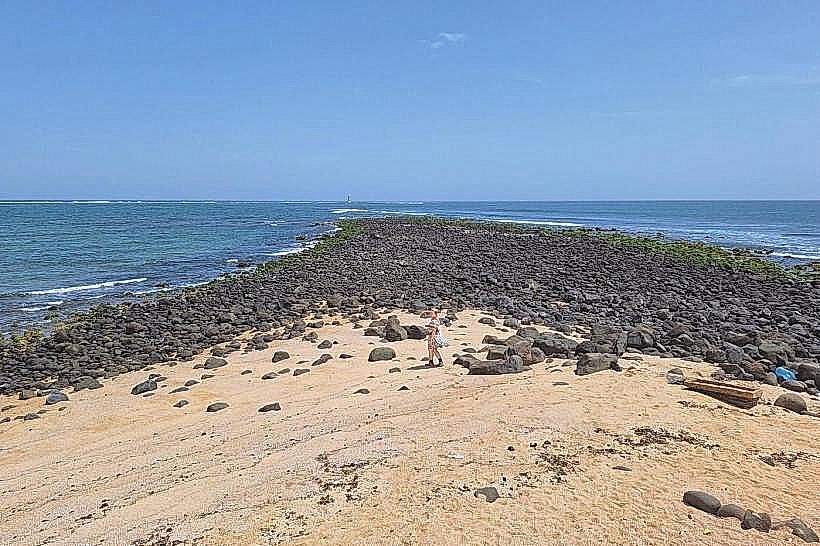
The plateau is defined by rugged, reddish-brown basalt rock formations and vertical cliffs that drop directly into the Atlantic Ocean. The summit is occupied by massive circular concrete bunkers, rusted iron cannons from the colonial era, and a large, white-painted memorial sculpture. Vegetation is sparse, consisting mainly of dry coastal shrubs and cacti clinging to the rocky soil. From the top, the island's grid of ochre and pastel-colored colonial buildings is visible below.
Location & Access Logistics
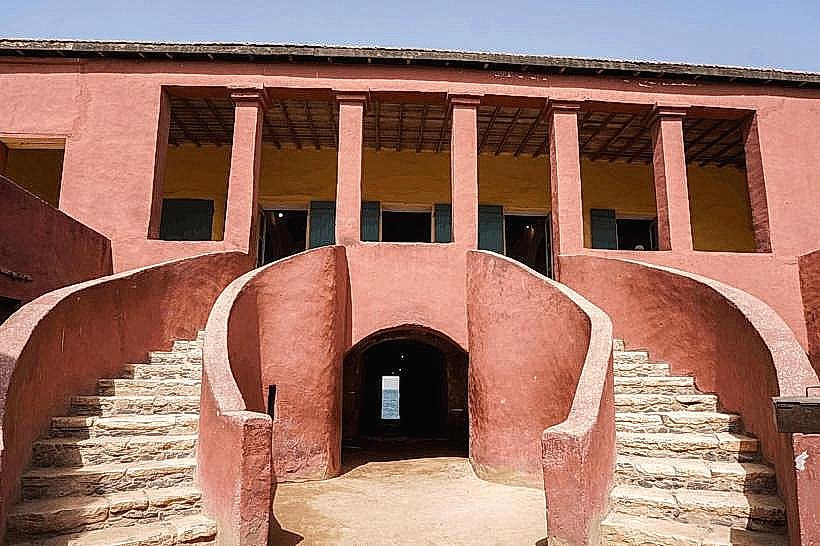
The site is located at the southern end of Gorée Island, which is accessible only via a 20-minute ferry ride from the Dakar Railway Station pier. From the island's harbor, the Castel is reached by ascending a steep, paved stone path that begins near the House of Slaves. The walk is approximately 400 meters uphill. There are no motorized vehicles on the island; all transit is on foot. The ferry (Liaison Maritime Dakar-Gorée) runs roughly every 90 minutes.
Historical & Ecological Origin
The plateau was first fortified by the Dutch in the 1600s before changing hands between French and British forces. Its current military infrastructure, including heavy artillery emplacements, was largely reinforced by the French in the late 19th and early 20th centuries to protect the entrance to the Dakar port. Geologically, the Castel is a volcanic formation composed of hard basalt that has resisted the coastal erosion affecting the rest of the island.
Key Highlights & Activities
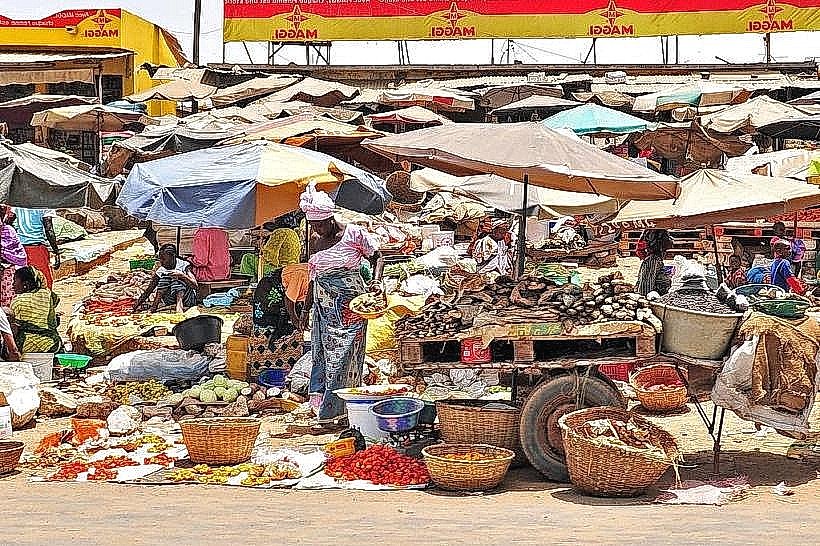
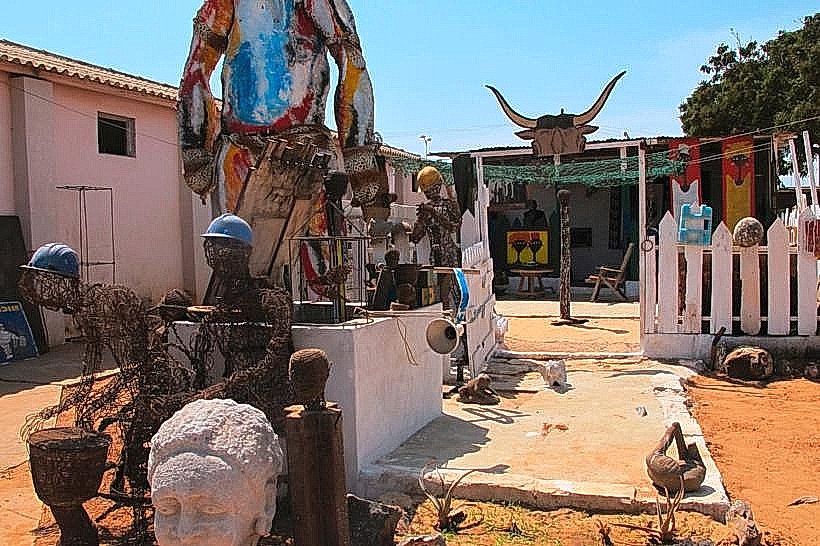
Walking to the summit provides a 360-degree view of the Dakar skyline and the Cap-Vert peninsula. Visitors can examine the original World War II cannons, which were used during the Battle of Dakar in 1940. The area is a workspace for local sand painters, who demonstrate their craft along the ascent path. Exploring the partially unlit underground bunker tunnels is possible for those with flashlights.
Infrastructure & Amenities
The plateau is an open-air site with minimal infrastructure. There are no public restrooms at the summit; facilities are located near the harbor or in local restaurants at the base of the hill. 4G and 5G cellular signals are generally strong but can be inconsistent near the cliff edges. Small artisan stalls sell beverages and snacks along the ascent, but there are no permanent food vendors at the highest point. Shade is limited to the interior of the military ruins.
Best Time to Visit
The site is best visited during the early morning (09:00 to 11:00) or late afternoon (16:30 to 18:30) to avoid the midday heat, as the plateau is entirely exposed. The "golden hour" before sunset provides optimal lighting for photographing the rusted cannons and the Atlantic horizon. The ferry service operates year-round, though the island experiences peak crowds on weekends and national holidays.
Facts & Legends
A verified historical oddity is that the large cannons at the Castel were used as backdrop elements in the filming of historical cinema, yet they remain genuine operational artifacts from the French naval defense system. Local legend holds that the plateau is protected by the spirit of a "Green Woman" who watches over the southern cliffs; many residents attribute the plateau's structural stability against Atlantic storms to her presence.
Nearby Landmarks
House of Slaves: 0.3km North
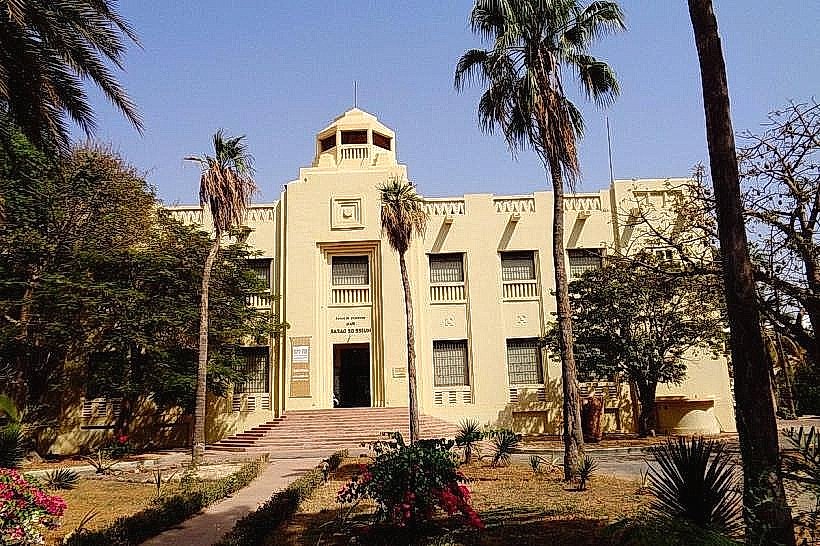
IFAN Historical Museum: 0.5km Northwest
Saint-Germain Church: 0.4km North
Gorée Police Station: 0.2km North
Place du Gouvernement: 0.4km North