Landmark: Cueva de las Perlas
City: Isla de la Juventud
Country: Cuba
Continent: North America
Cueva de las Perlas, Isla de la Juventud, Cuba, North America
Cueva de las Perlas is a cave system located on Isla de la Juventud, Cuba.
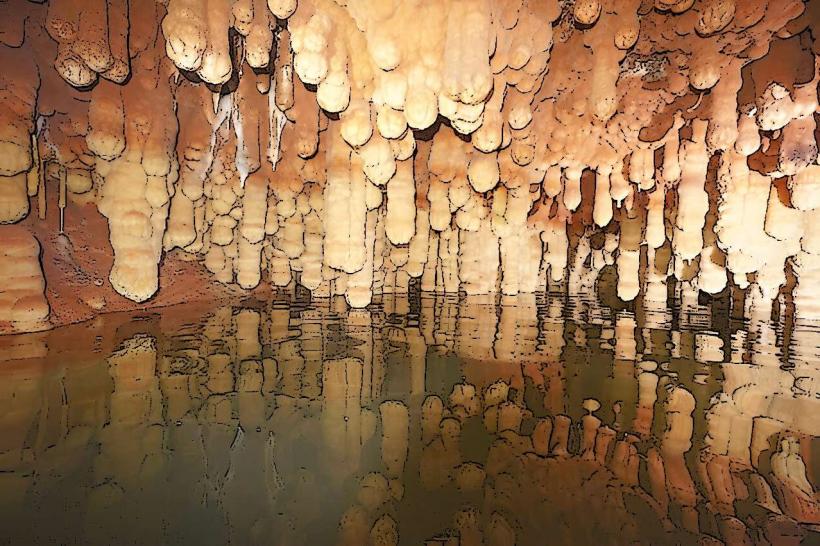
This geological formation contains subterranean water bodies and is known for its unique mineral deposits.
Visual Characteristics
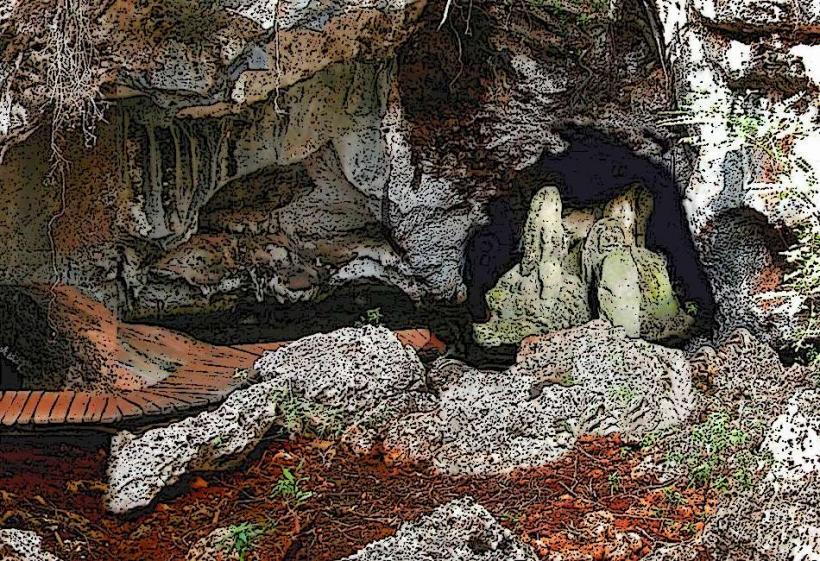
The cave interior features limestone formations, including stalactites and stalagmites. Subterranean pools within the cave exhibit clear, still water. The rock walls are primarily composed of sedimentary limestone, with some areas showing evidence of mineral efflorescence.
Location & Access Logistics
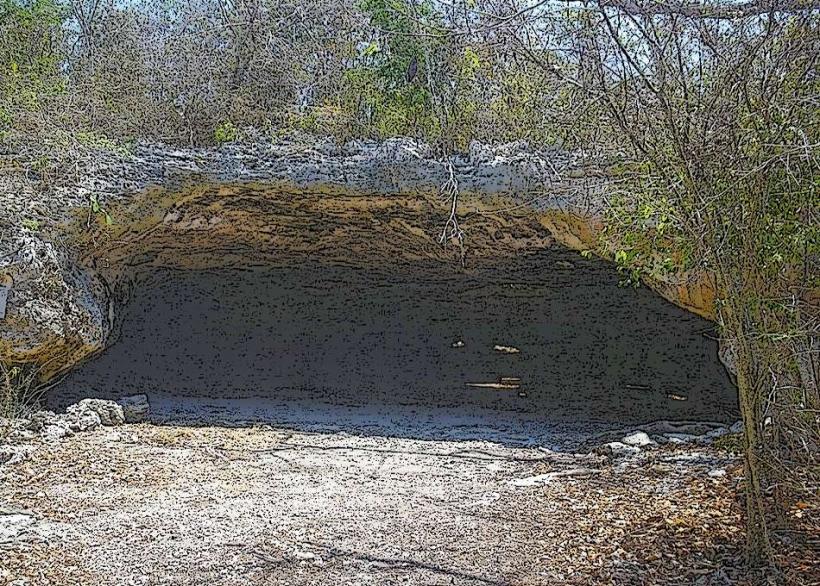
Cueva de las Perlas is situated approximately 15 kilometers southwest of Nueva Gerona, the main city on Isla de la Juventud. Access is via Carretera de la Fe, turning onto a smaller, unpaved road for the final 2 kilometers. Parking is available at a designated area near the cave entrance. Public transport to the vicinity is limited; a private vehicle or taxi is recommended.
Historical & Ecological Origin
The cave system is a product of karst topography, formed over millennia by the dissolution of soluble limestone rock by acidic groundwater. The subterranean water bodies are part of the island's aquifer system. The name "Cueva de las Perlas" (Cave of Pearls) likely refers to the small, spherical calcite concretions found within the cave, resembling pearls.
Key Highlights & Activities
Exploration of the cave's main chambers is possible via guided tours. Visitors can observe the speleothems and subterranean pools. Photography is permitted within designated areas. Swimming is not allowed in the cave pools.
Infrastructure & Amenities
Basic restroom facilities are available at the site. Limited shade is provided by natural overhangs and a small covered waiting area. Cell phone signal is generally unreliable within the cave and inconsistent in the immediate surrounding area.
Best Time to Visit
The cave maintains a consistent internal temperature year-round, making it accessible at any time. For optimal lighting conditions for photography, early morning or late afternoon visits are recommended to minimize direct sunlight glare on external pathways. The surrounding area is most accessible during the dry season, typically November to April.
Facts & Legends
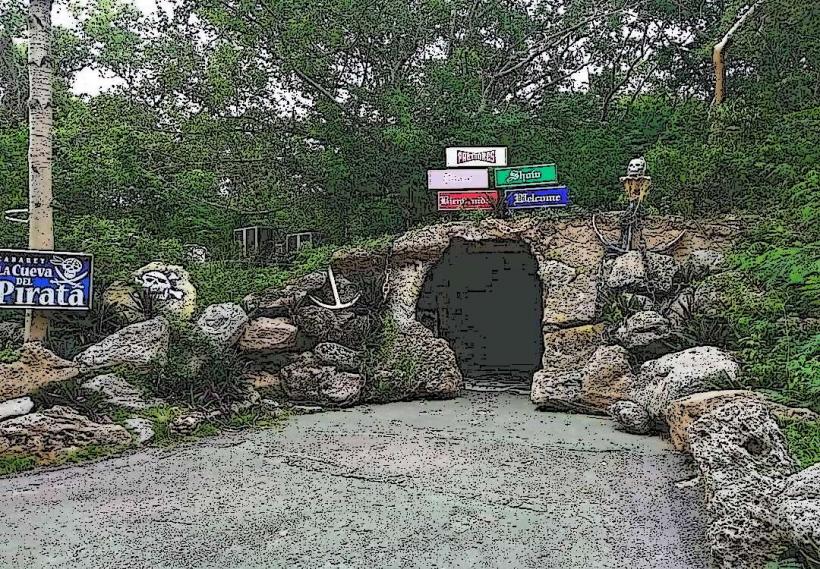
Local lore suggests that the cave was once used by pirates to store contraband. Geologically, the cave is still actively forming, with new mineral deposits accumulating over time.
Nearby Landmarks
- El Abra (Historical Site) - 3.5km Northeast
- Museo de la Revolución - 14km Northeast
- Presidio Modelo (Former Prison) - 16km Northeast
- Playa Bibijagua - 18km East