Landmark: Parque Nacional de los Ciénaga de Zapata
City: Isla de la Juventud
Country: Cuba
Continent: North America
Parque Nacional de los Ciénaga de Zapata, Isla de la Juventud, Cuba, North America
Parque Nacional Ciénaga de Zapata is a protected wetland area located on the southern coast of Cuba, primarily within the province of Matanzas.
This national park encompasses a vast expanse of Cuba's largest and best-preserved wetlands, serving as a critical habitat for diverse flora and fauna.
Visual Characteristics
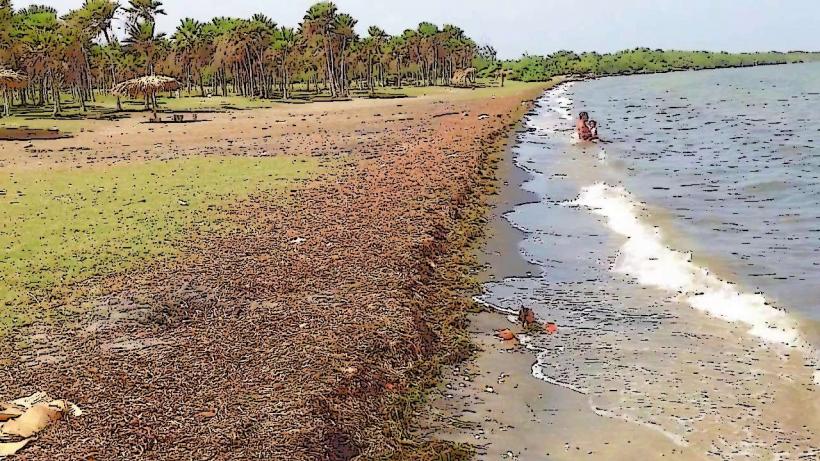
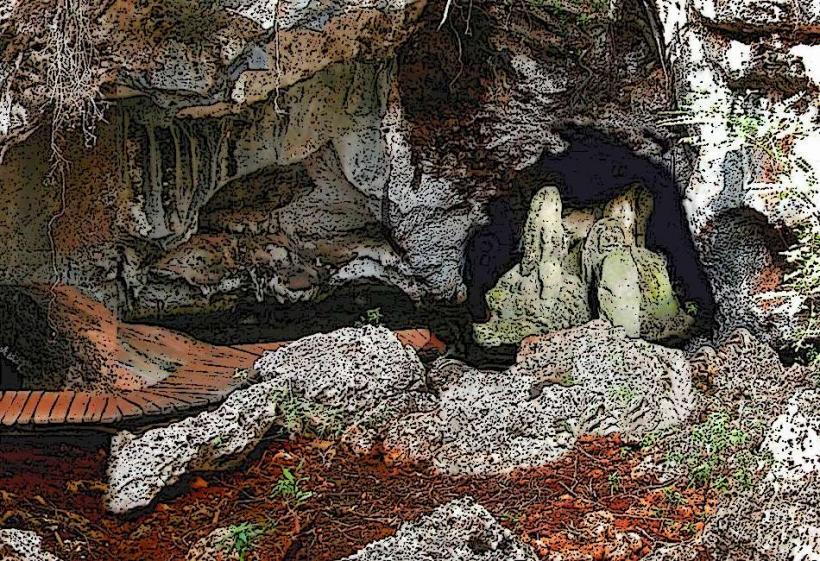
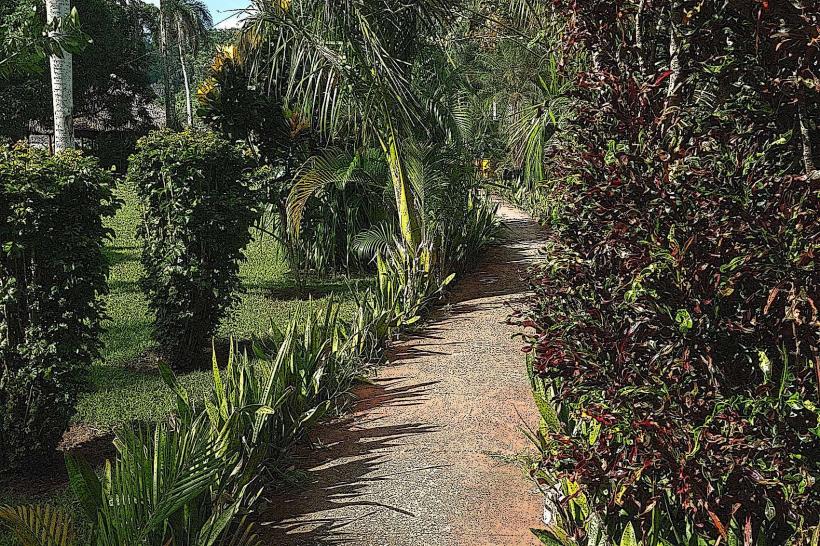
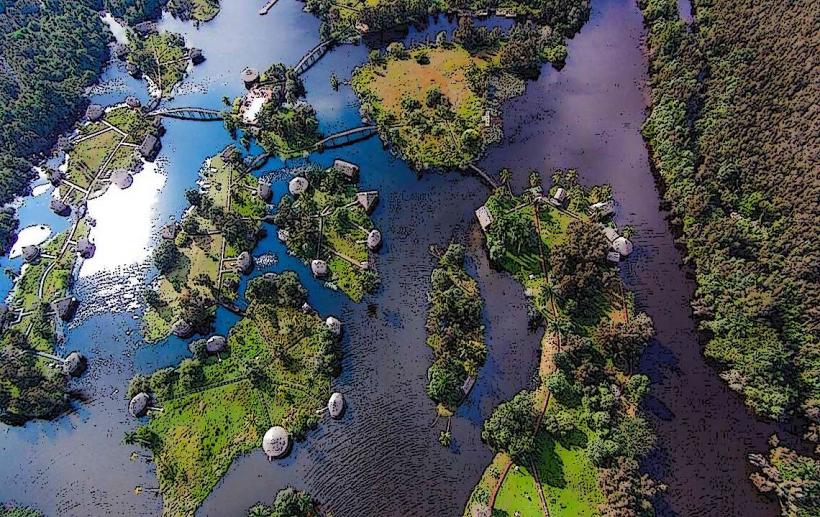
The landscape is characterized by extensive mangrove forests, freshwater marshes, and coastal lagoons. Water bodies exhibit varying shades of green and brown depending on sediment content and depth. Vegetation is dense, dominated by various mangrove species (red, black, white), palm trees, and aquatic plants. The terrain is predominantly flat and marshy, with sandy coastal areas in some sections.
Location & Access Logistics
The park is situated approximately 150 kilometers southeast of Havana. Access is primarily via the Carretera Central (Central Highway) towards Playa Larga or Playa Girón. From these points, local roads lead into the park. Parking is available at designated visitor centers and entry points, though it can be limited. Public transport options are scarce; private car hire or organized tours from major cities are the most practical means of access.
Historical & Ecological Origin
The Ciénaga de Zapata is a geologically significant area formed by the accumulation of sediments and the interaction of freshwater and saltwater environments over millennia. Ecologically, it is classified as a Ramsar wetland of international importance, recognized for its biodiversity and role as a migratory bird stopover. Historically, the area was sparsely populated, with limited human impact until the mid-20th century when conservation efforts began.
Key Highlights & Activities
Activities include birdwatching, with over 300 species recorded. Boat tours are available through mangrove channels and lagoons. Wildlife observation focuses on Cuban crocodiles, flamingos, and various endemic bird species. Hiking is possible on marked trails, such as the one leading to the Guama Indian Village replica. Snorkeling and diving are possible in specific coastal areas like the Bay of Pigs.
Infrastructure & Amenities
Basic infrastructure includes visitor centers at Playa Larga and Playa Girón offering information and some services. Restrooms are available at these centers and some tour departure points. Shade is provided by mangrove canopies and some man-made structures. Cell phone signal (4G/5G) is inconsistent and generally weak within the park's interior. Limited food vendors and small restaurants are located near the main access points and tourist hubs.
Best Time to Visit
The dry season, from November to April, offers the most favorable weather conditions with less rainfall and lower humidity. The best time of day for birdwatching is typically early morning and late afternoon when avian activity is highest. For photography, early morning light provides soft illumination, while late afternoon offers warmer tones.
Facts & Legends
The Ciénaga de Zapata is home to the Zapata Wren (Ferminia cerverai), a critically endangered bird species endemic to this region. A local legend speaks of a mythical creature said to inhabit the deepest parts of the swamp, though no scientific evidence supports its existence. A practical tip for visitors is to carry insect repellent, as mosquitoes can be prevalent, especially during dawn and dusk.
Nearby Landmarks
- Playa Girón (0.5km West)
- Playa Larga (1km North)
- Bay of Pigs Museum (0.7km West)
- Cueva de los Peces (5km Southwest)
- Fiesta Campesina (10km Northeast)