Information
Landmark: Cueva de los PiratasCity: Isla de la Juventud
Country: Cuba
Continent: North America
Cueva de los Piratas, Isla de la Juventud, Cuba, North America
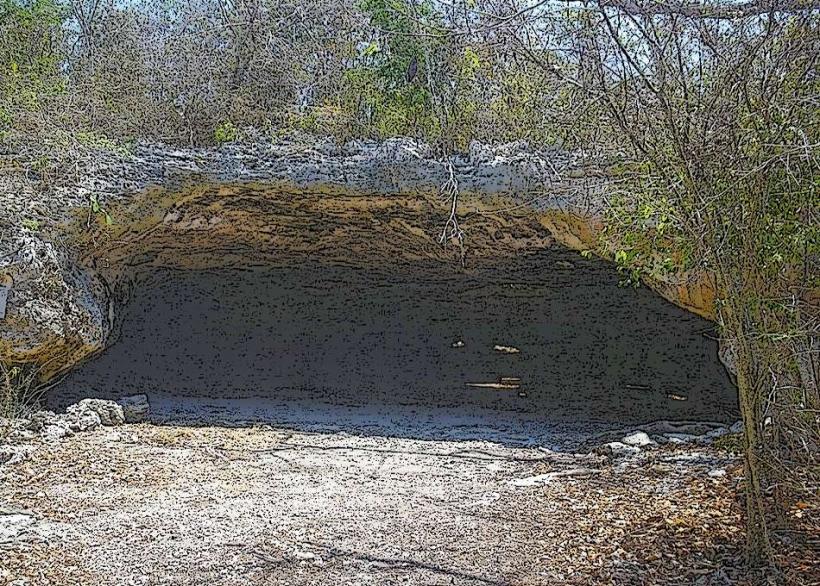
Cueva de los Piratas is a cave system located on the northwestern coast of Isla de la Juventud, Cuba.
Visual Characteristics
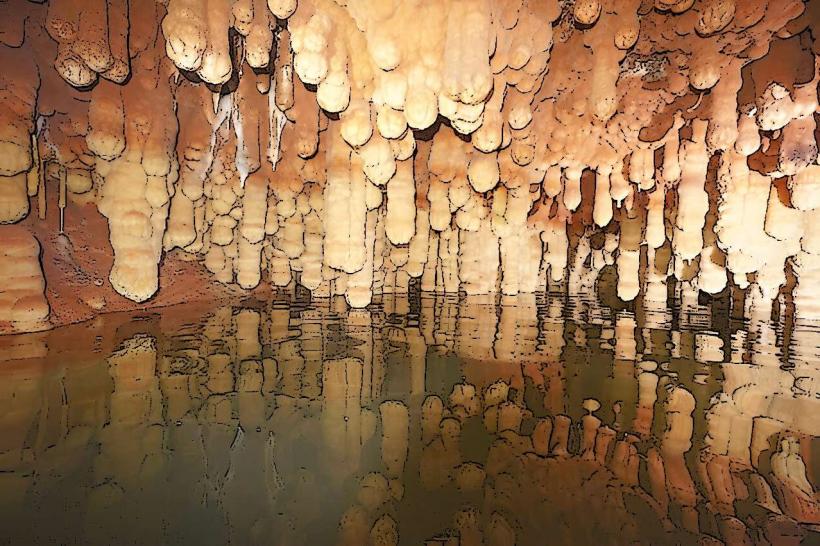
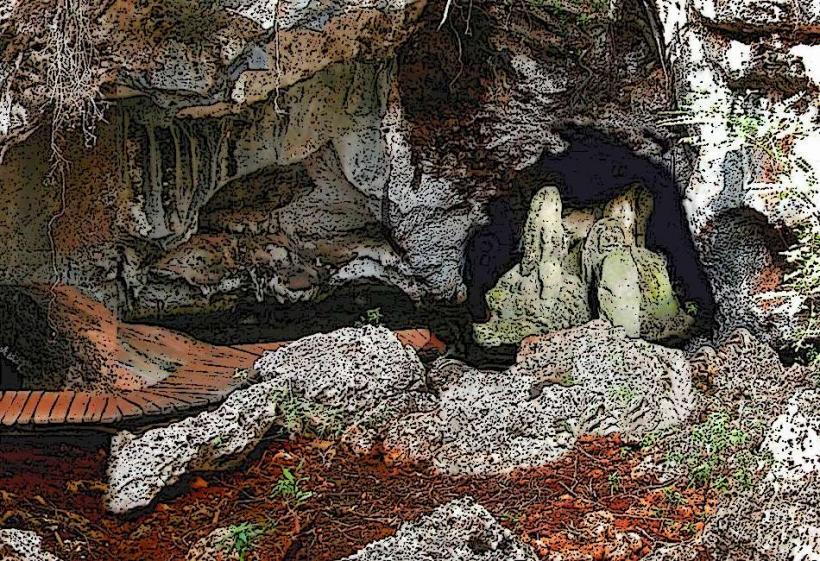
The cave entrance is a fissure in a limestone cliff face, approximately 10 meters wide and 5 meters high. Inside, the cave walls are composed of porous limestone, exhibiting stalactite and stalagmite formations. The interior is dimly lit, with natural light penetrating only the initial sections. The floor is uneven, consisting of damp earth and scattered rock debris.
Location & Access Logistics
The cave is situated approximately 15 kilometers west of Nueva Gerona, the main city on Isla de la Juventud. Access is via the Carretera de la Presa road, turning onto an unpaved track for the final 2 kilometers. Parking is available on a small, cleared area adjacent to the cave entrance. Public transport does not directly service the site; private vehicle or taxi is required.
Historical & Ecological Origin
The cave is a natural karst formation, sculpted over millennia by the dissolution of limestone by groundwater. Its name, "Pirates' Cave," originates from local folklore suggesting it was used as a hideout by pirates and buccaneers during the colonial era. No specific construction date or architect is associated with the site.
Key Highlights & Activities
Exploration of the cave's accessible chambers is the primary activity. Visitors can observe the natural geological formations. Limited guided tours are sometimes available, focusing on the cave's history and geology.
Infrastructure & Amenities
No permanent infrastructure or amenities are present at Cueva de los Piratas. Restrooms, shade, and food vendors are not available at the site. Cell phone signal is intermittent to non-existent within the cave and surrounding area.
Best Time to Visit
The best time for visiting is during the dry season, from November to April, to minimize potential water accumulation within the cave. Mid-morning offers the most consistent natural light for viewing the cave entrance and initial sections.
Facts & Legends
Local legend claims that buried treasure from Spanish galleons is hidden within the deeper, unexplored sections of the cave. Archaeological evidence to support these claims has not been documented.
Nearby Landmarks
- El Abra (Historical Site) - 3.5km Southeast
- Presa de la Juventud (Dam) - 4.0km East
- Museo de la Revolución (Museum) - 14.0km East
- Playa Bibijagua (Beach) - 16.0km Southeast