Landmark: Cueva El Guafe
City: Isla de la Juventud
Country: Cuba
Continent: North America
Cueva El Guafe, Isla de la Juventud, Cuba, North America
Cueva El Guafe is a cave system located on Isla de la Juventud, Cuba.
This geological formation contains petroglyphs and is a significant archaeological site.
Visual Characteristics
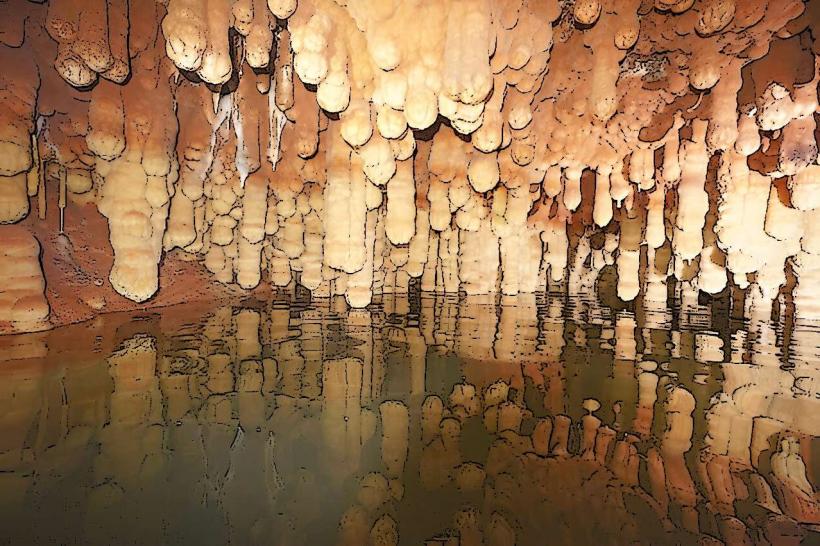
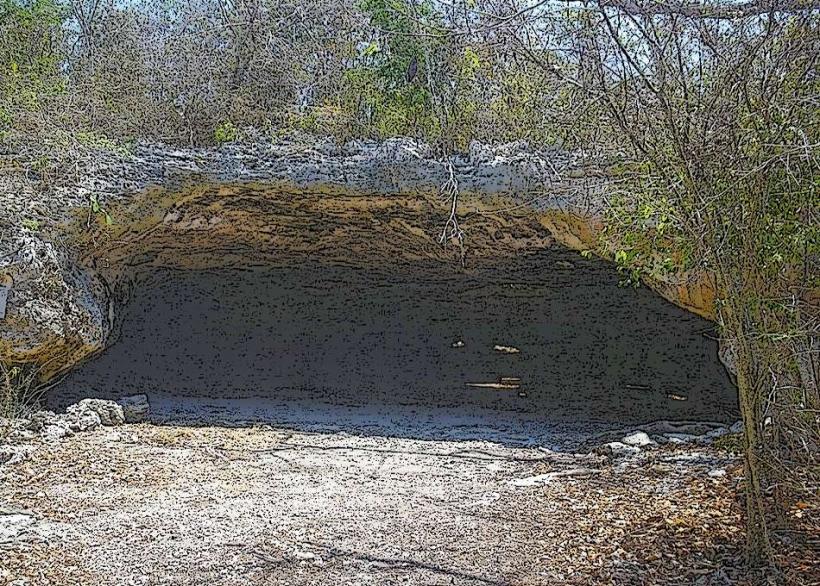
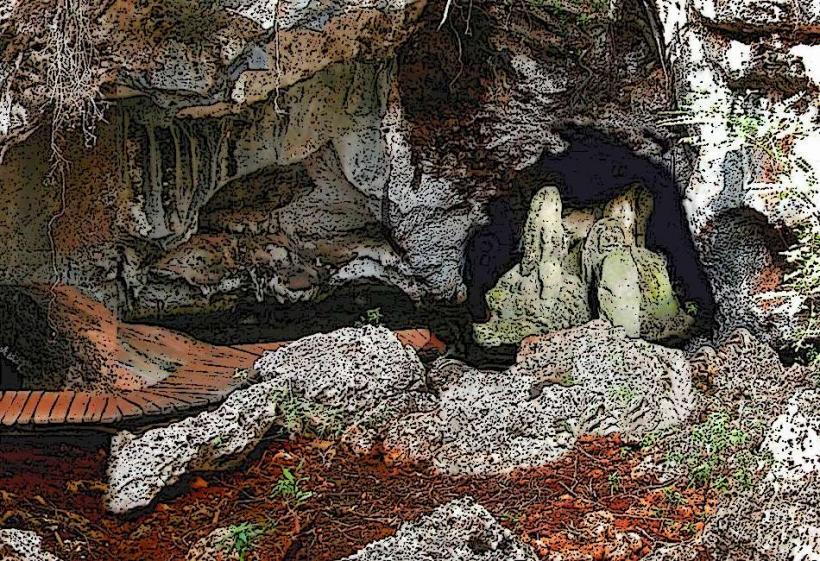
The cave entrance is a fissure in a limestone cliff. The interior consists of interconnected chambers with stalactites and stalagmites. The walls are primarily rough limestone, with areas exhibiting mineral deposits. Petroglyphs, carved into the rock surface, depict anthropomorphic figures and geometric patterns.
Location & Access Logistics
Cueva El Guafe is situated approximately 15 kilometers west of Nueva Gerona, the capital of Isla de la Juventud. Access is via Carretera de la Fe, turning onto a dirt track approximately 2 kilometers before reaching the cave. The dirt track is approximately 1 kilometer long and is passable by standard vehicles in dry conditions. Parking is available at the cave entrance on a gravelled area. Public transport to the vicinity is limited; local buses operate on Carretera de la Fe, requiring a walk of approximately 3 kilometers from the nearest stop.
Historical & Ecological Origin
The cave is a natural karst formation, sculpted by the dissolution of limestone over millennia. The petroglyphs are attributed to the indigenous Taíno people, who inhabited the island prior to European colonization. The carvings are estimated to date between the 10th and 15th centuries CE. The original purpose of the petroglyphs is believed to be ceremonial or communicative.
Key Highlights & Activities
Observation of Taíno petroglyphs. Guided tours are available, detailing the archaeological significance of the site. Photography of the cave formations and petroglyphs is permitted.
Infrastructure & Amenities
Restrooms are available at the visitor center near the entrance. Limited shade is provided by natural overhangs within the cave. Cell phone signal (3G) is intermittent. No food vendors are present at the site; visitors should bring their own provisions.
Best Time to Visit
The best time of day for photography is between 10:00 AM and 2:00 PM, when sunlight penetrates the cave entrance, illuminating the petroglyphs. The dry season, from November to April, offers the most favorable weather conditions, with less humidity and a lower chance of rain.
Facts & Legends
Local legend suggests that the figures depicted in the petroglyphs represent ancestral spirits or deities. One specific petroglyph, known as "El Guafe," is said to be a representation of a powerful shaman or chief, whose spirit still guards the cave.
Nearby Landmarks
- El Abra (0.8km East)
- Museo de la Revolución (14km East)
- Presa de la Juventud (3km Southeast)
- Playa Bibijagua (18km Southwest)