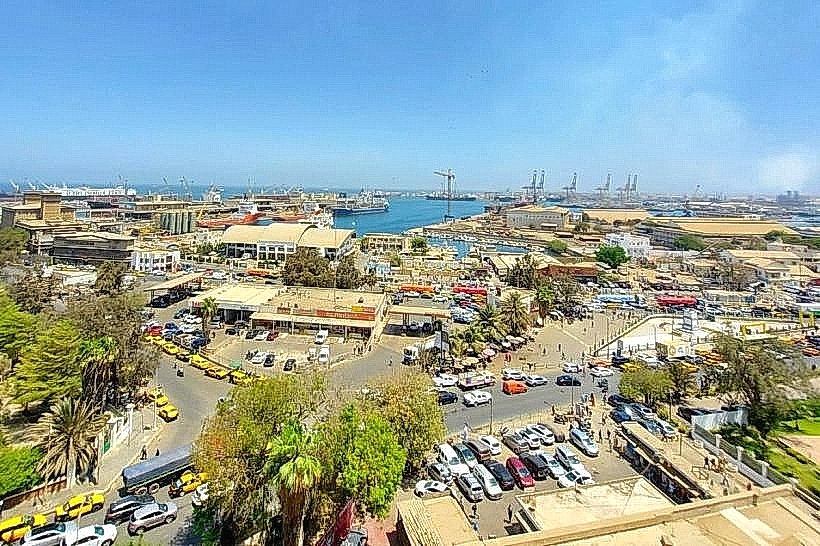
Landmark: Dakar Plateau
City: Dakar
Country: Senegal
Continent: Africa
Dakar Plateau, Dakar, Senegal, Africa
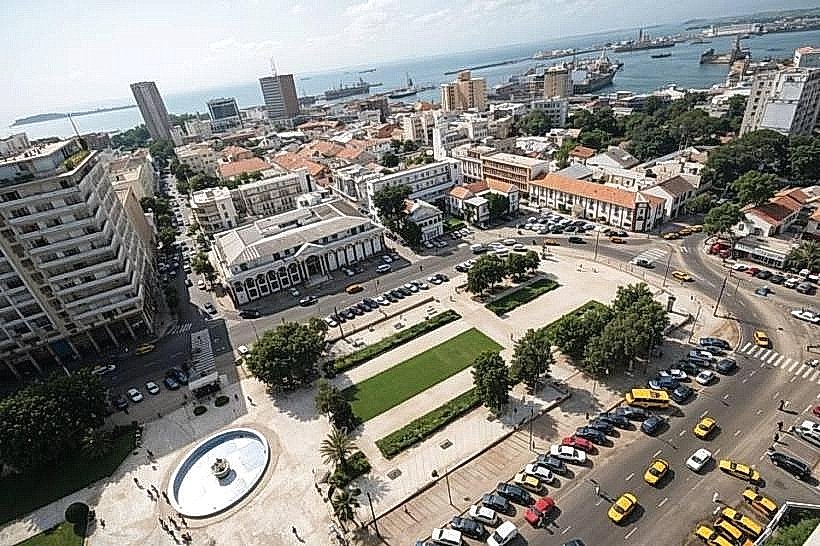
The Dakar Plateau is the historic administrative and commercial heart of the city, situated on the southern tip of the Cap-Vert peninsula. It serves as the primary seat of government, banking, and high-end retail for the Republic of Senegal.
Visual Characteristics
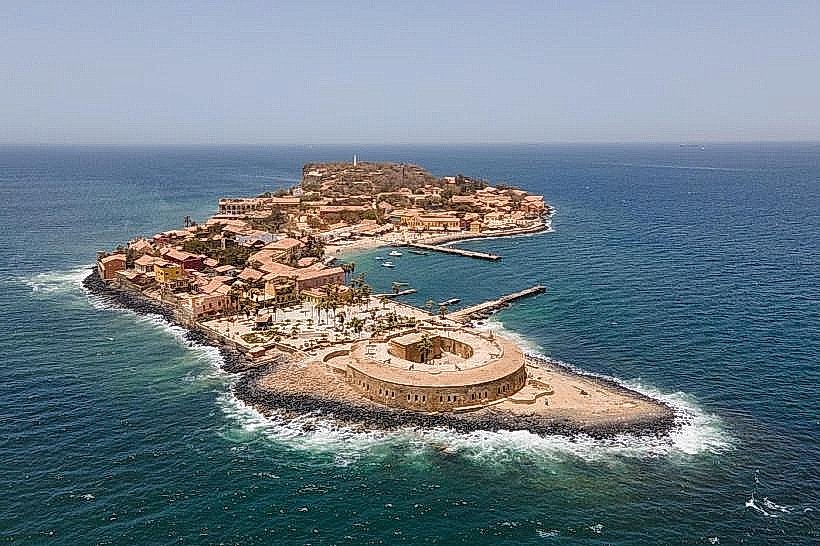
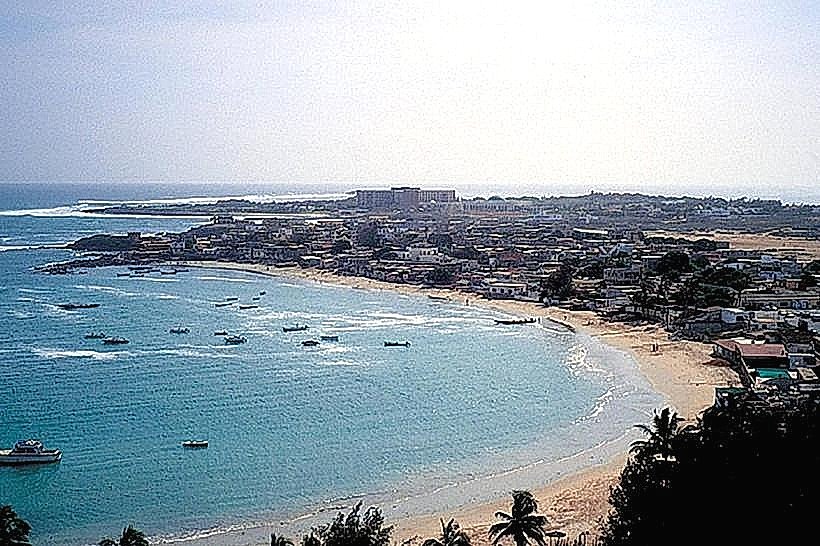
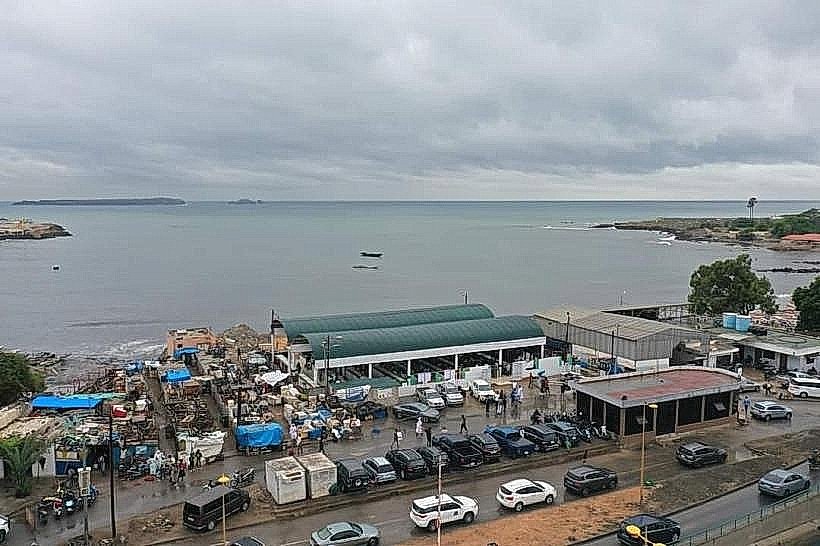
The district is characterized by a dense grid of narrow streets lined with French colonial-era masonry buildings featuring wrought-iron balconies and pastel-colored shutters. These historic structures are interspersed with modernist high-rise office towers made of glass and reinforced concrete. The area features several large open plazas, such as the Place de l'Indépendance, and is bordered by steep coastal cliffs that offer views of the Atlantic Ocean and Gorée Island. Manicured rows of flamboyant trees and palms line the main boulevards.
Location & Access Logistics
The Plateau is located at the southernmost point of Dakar, approximately 15km south of the Léopold Sédar Senghor International Airport. It is the southern terminus for the Regional Express Train (TER) at the Dakar Railway Station. Numerous Dakar Dem Dikk bus lines (1, 7, 10, 12) converge at the Palais de Justice and Place de l'Indépendance stops. Vehicular access is via the Corniche Ouest or the Boulevard de la République; parking is extremely limited to metered street spots and private underground garages.
Historical & Ecological Origin
Developed in the late 19th century as the capital of French West Africa, the Plateau was designed according to a European-style urban grid to centralize colonial administration. Geologically, it sits on a stable basalt and sedimentary rock plateau that rises significantly above the surrounding coastal marshes. The area was transformed from a rural Lebu fishing settlement into a structured urban center between 1885 and 1910.
Key Highlights & Activities
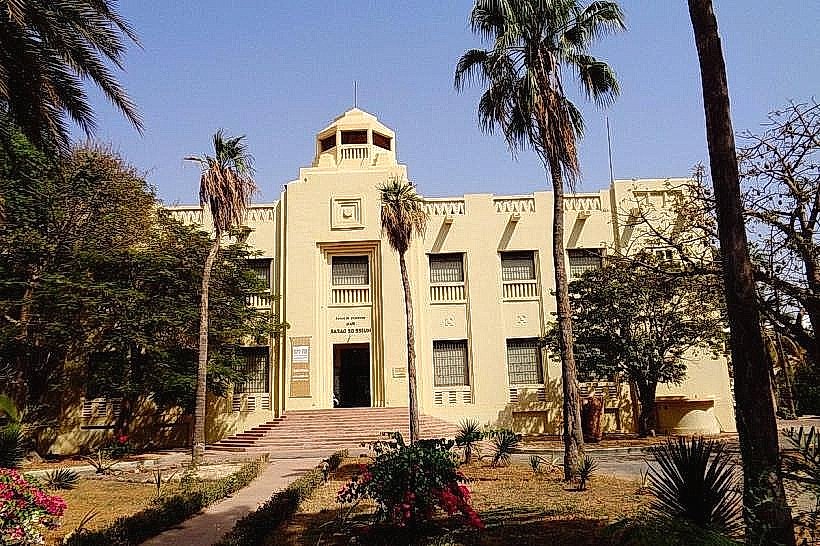
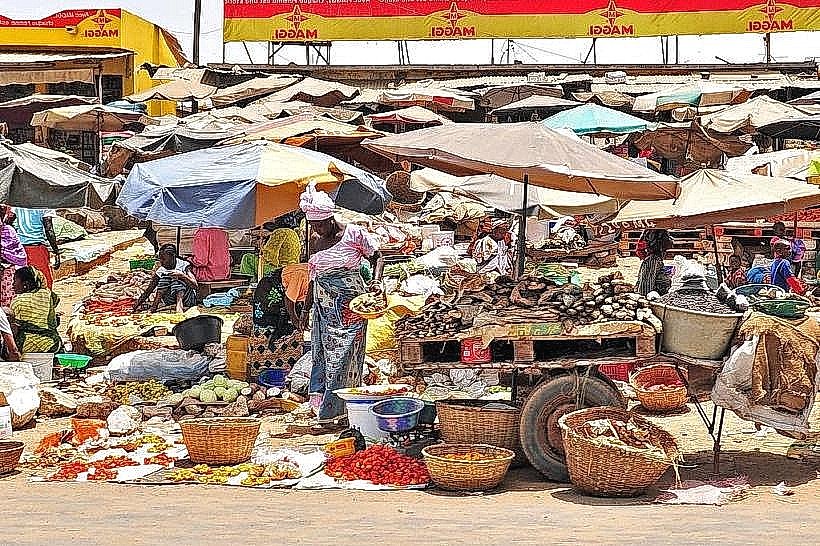
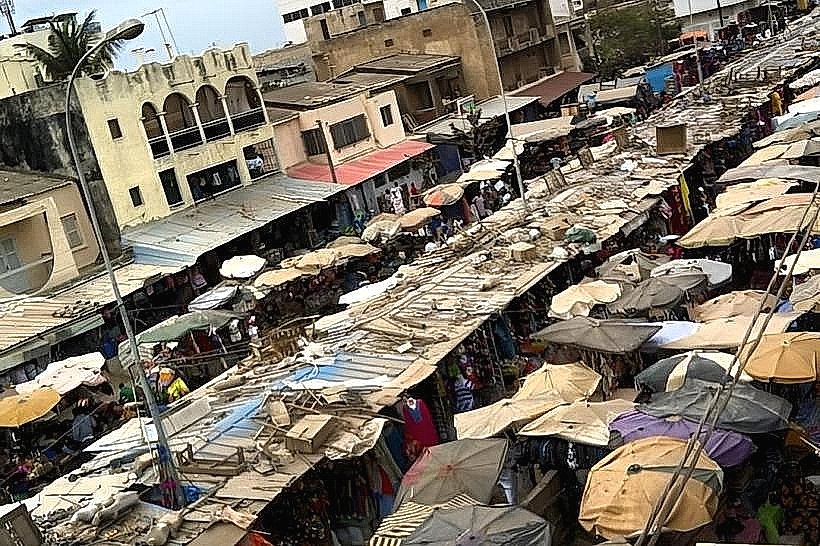
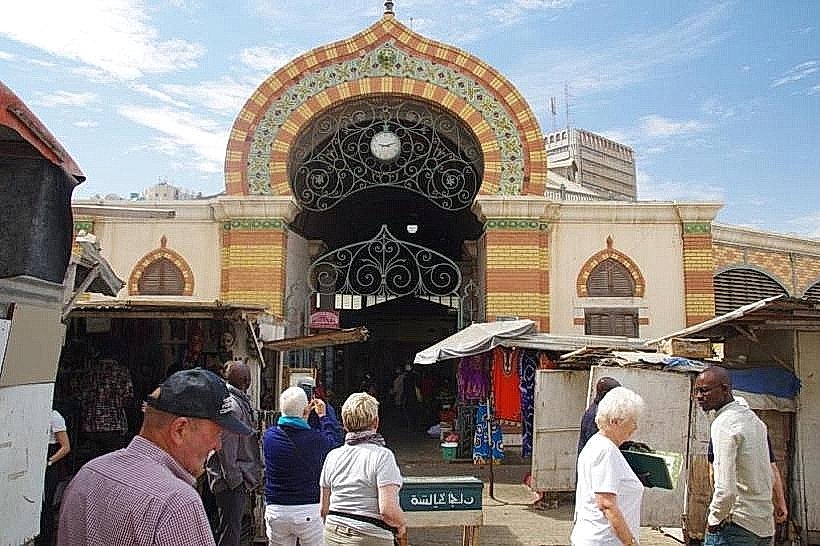
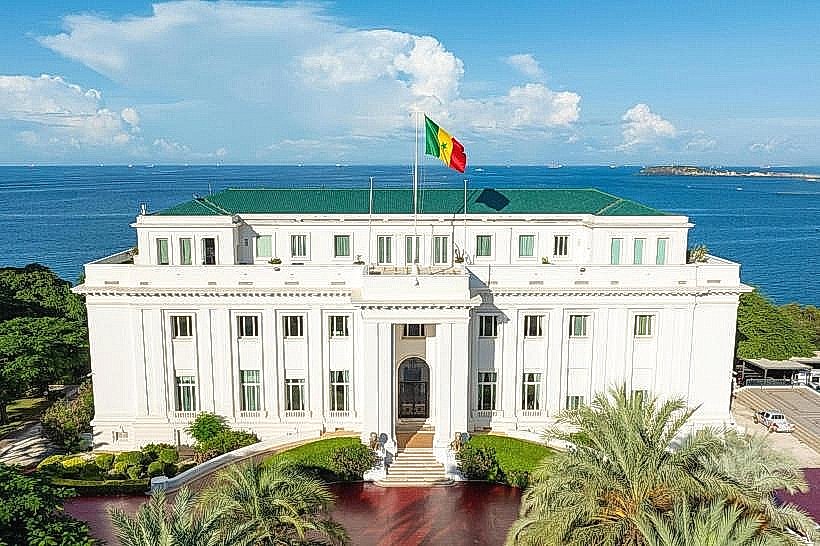
Walking tours focusing on colonial architecture are the primary tourist activity. The district houses the Presidential Palace, where the Changing of the Guard occurs at designated times. Visitors frequent the Marché Kermel for artisanal goods and the IFAN Museum of African Arts for historical exhibitions. The area is the city's main hub for high-end dining and diplomatic gatherings. Jogging along the Corniche Est provides views of the harbor and offshore islands.
Infrastructure & Amenities
The Plateau possesses the most developed infrastructure in Senegal, including paved sidewalks, underground sewage, and reliable electricity. Public restrooms are scarce but accessible in major hotels and shopping malls like Dakar City Dia. 4G and 5G cellular coverage is excellent and ubiquitous. Numerous banks, ATMs, and international pharmacies are located every few blocks. Shade is provided by building arcades and mature trees along the primary avenues.
Best Time to Visit
Business hours are Monday through Friday, 08:00 to 18:00, when the district is most vibrant. For photography, Sunday mornings are optimal as the streets are empty of heavy traffic, allowing for clear views of the colonial facades. The dry season (December to May) offers the most comfortable walking temperatures, typically around 24°C. The "golden hour" (17:45 to 18:45) is best for coastal views from the Corniche Est.
Facts & Legends
A verified historical oddity is that many of the Plateau's older buildings were constructed using "Ballast Stone" brought from Europe in ships that returned to France filled with groundnuts. A local legend claims that the underground tunnels beneath the Presidential Palace connect directly to the coast to allow for emergency evacuations, a rumor that has persisted since the colonial era despite no public confirmation of their extent.
Nearby Landmarks
Dakar Railway Station: 0.6km North
Presidential Palace: 0.4km South
IFAN Museum of African Arts: 0.5km West
Marché Kermel: 0.3km East
Place de l'Indépendance: 0.1km (Center)