Landmark: El Sunzal Beach
City: La Libertad
Country: El Salvador
Continent: North America
El Sunzal Beach, La Libertad, El Salvador, North America
El Sunzal Beach is a coastal area situated in the department of La Libertad, El Salvador. It is recognized for its consistent surf conditions.
Visual Characteristics
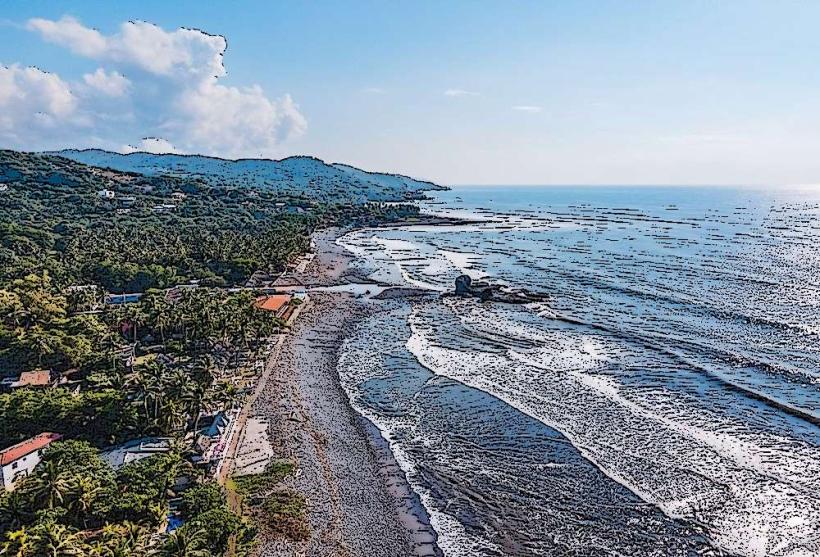
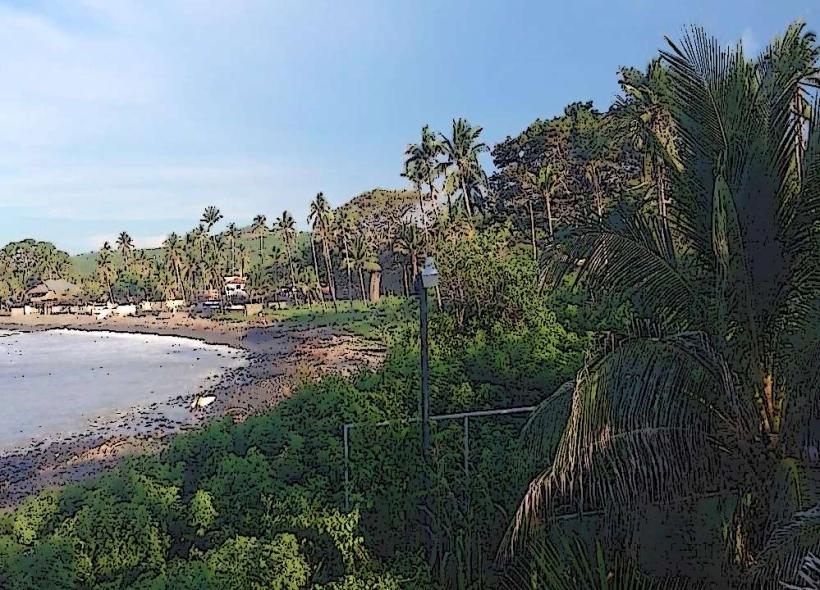
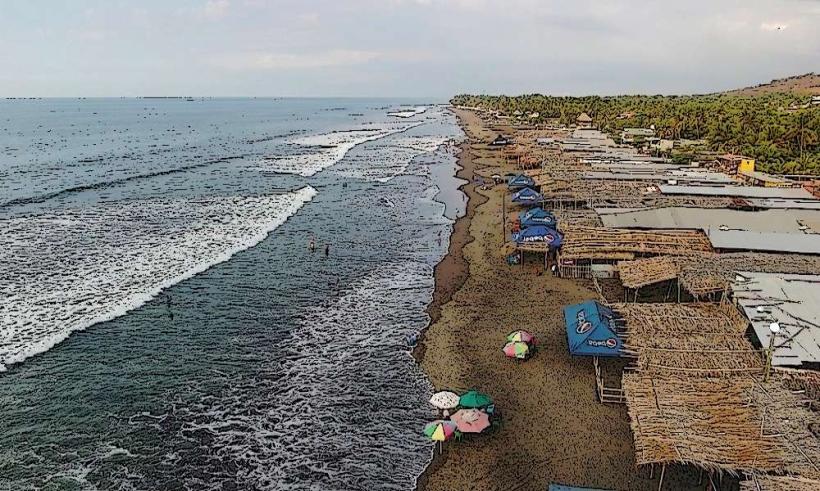
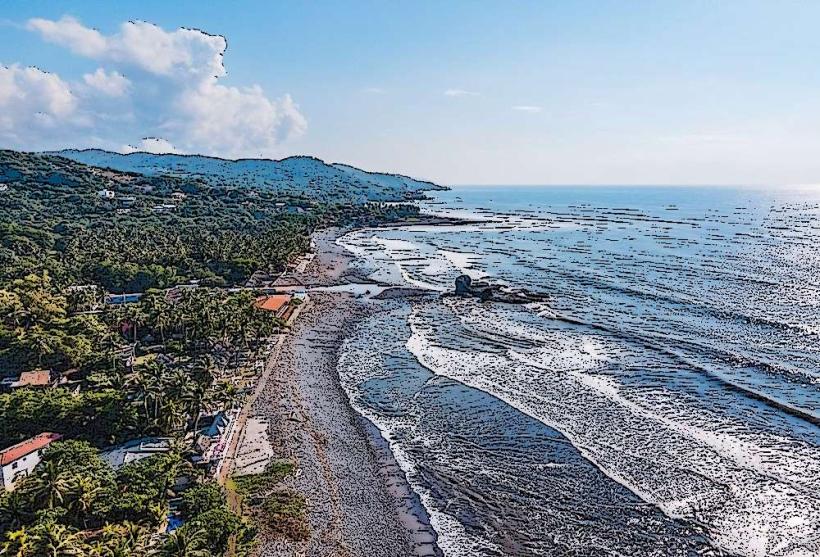
The beach consists of dark volcanic sand. The coastline is characterized by rocky outcrops and a consistent wave break. The water color varies from deep blue to turquoise depending on sunlight and wave conditions. Vegetation is sparse, primarily consisting of coastal scrub.
Location & Access Logistics
El Sunzal Beach is located approximately 45 kilometers west of San Salvador. Access is via the CA-2 highway (Carretera Litoral). Turn south onto the road marked for El Sunzal. Parking is available at designated lots adjacent to the beach, with a fee typically charged. Public transport options include local buses (Rutas 102 and 183) that run along the CA-2 and stop near the beach access road.
Historical & Ecological Origin
The beach is part of the Pacific coastline of Central America, formed by volcanic activity over millennia. The consistent wave patterns are a result of offshore bathymetry and prevailing Pacific swells.
Key Highlights & Activities
Surfing is the primary activity, with consistent breaks suitable for various skill levels. Lessons and equipment rental are available from local surf schools. Swimming is possible, but caution is advised due to currents and wave action. Beachcombing along the volcanic sand is also an option.
Infrastructure & Amenities
Restrooms are available at some of the surf schools and restaurants. Shade is provided by palapa-style structures at food vendors and surf shops. Cell phone signal (4G) is generally available. Food vendors and small restaurants are located along the access road and directly on the beach, offering local cuisine.
Best Time to Visit
For surfing, the dry season (November to April) generally offers the most consistent swells. The best time of day for photography is typically early morning or late afternoon when the sun angle is lower, providing softer light. High tide is often preferred by experienced surfers for certain breaks.
Facts & Legends
El Sunzal is named after the "sunzal," a type of local fish. A specific rock formation at the western end of the beach is locally known as "El Dedo de Dios" (God's Finger).
Nearby Landmarks
- El Tunco Beach (0.8km West)
- La Bocana Beach (1.5km East)
- El Zonte Beach (8km West)
- San Blas Beach (3km East)