Landmark: Ethnographic Museum of Rwanda
City: Huye
Country: Rwanda
Continent: Africa
Ethnographic Museum of Rwanda, Huye, Rwanda, Africa
The Ethnographic Museum of Rwanda, formerly the National Museum of Rwanda, is a cultural and historical research center located in the Huye District of the Southern Province. It serves as the primary repository for the nation's social and architectural heritage and is one of the six sites managed by the Institute of National Museums of Rwanda.
Visual Characteristics
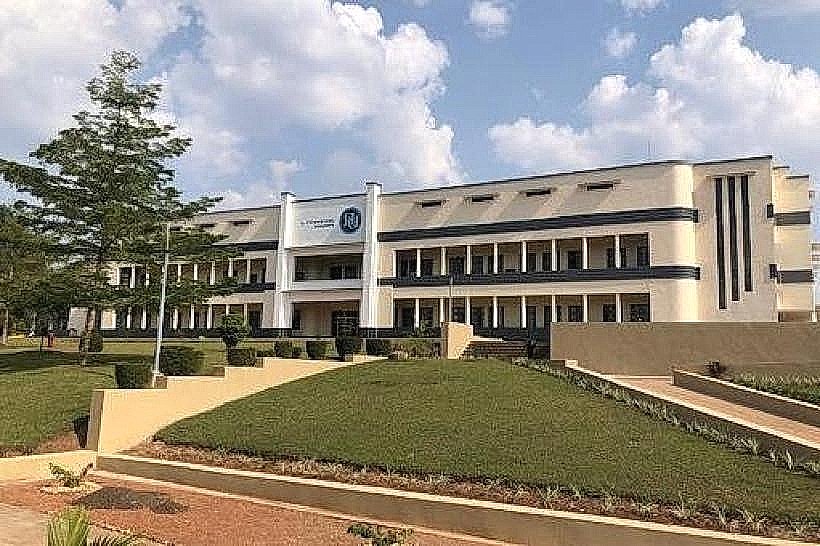
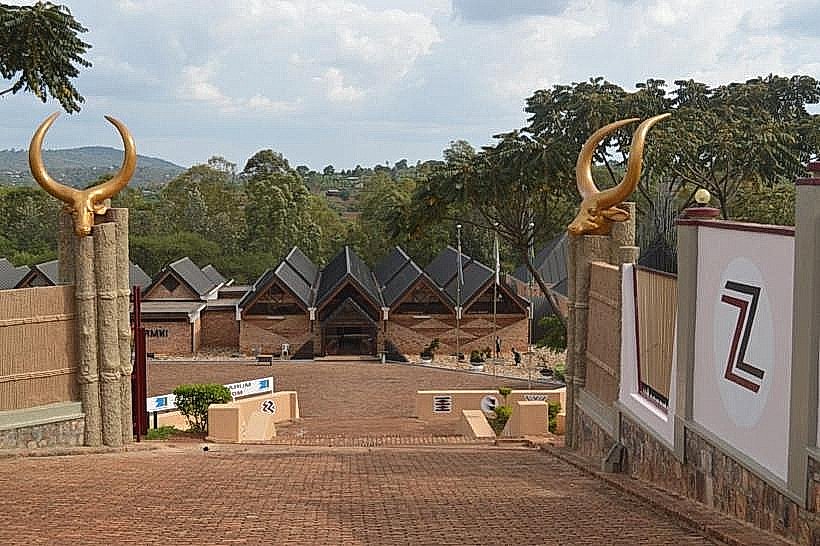
The building is a modern brick and concrete structure featuring seven distinct galleries organized by chronological and thematic sequences. The facade is characterized by repetitive geometric patterns and wide overhanging eaves designed to mitigate solar heat gain. Surrounding the museum are manicured botanical gardens containing indigenous plant species and a reconstructed traditional royal hut composed of woven reeds and thatch.
Location & Access Logistics
The museum is situated 132km south of Kigali on the main RN1 highway (Kigali-Huye Road). It is located within the Huye urban center, approximately 1km from the main bus terminal. Access is available via private vehicle with on-site paved parking or via motorcycle taxi (moto) from any point in the city. Regional buses from Kigali to Huye depart every 30 minutes from the Nyabugogo terminal.
Historical & Ecological Origin
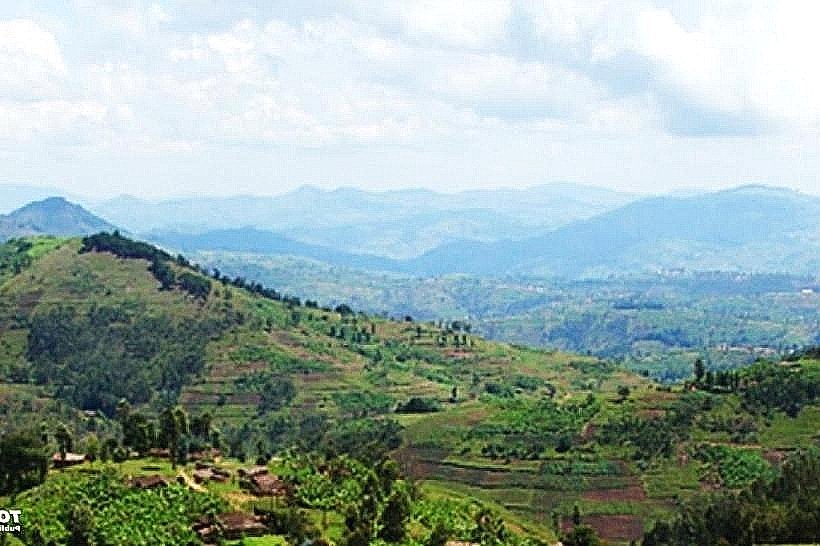
The facility was constructed in 1987 and inaugurated in 1989 as a gift from the Kingdom of Belgium to mark the 25th anniversary of Rwandan independence. The site is situated on the Central Plateau of Rwanda, an area characterized by rolling hills and ancient metamorphic rock. The museum was designed by architect Lode De Vroe to integrate European modernist principles with local Rwandan aesthetic motifs.
Key Highlights & Activities
Permanent exhibitions include a comprehensive collection of pre-colonial tools, traditional clothing, and a detailed section on cattle husbandry. Guided tours explain the evolution of Rwandan social structures and the technical process of intore dance and drum making. The outdoor area features live demonstrations of traditional basket weaving and pottery techniques by local artisans.
Infrastructure & Amenities
The museum complex includes a gift shop, a cafeteria serving refreshments, and modern public restrooms. Shaded seating is available within the interior courtyards and the exterior gardens. 4G and 5G cellular signals are stable throughout the facility. The site is wheelchair accessible via ramps connecting the different gallery levels.
Best Time to Visit
The museum is open daily from 08:00 to 18:00. Morning visits (09:00–11:00) are recommended to avoid large school groups and to utilize the natural light filtering through the gallery skylights for photography. The interior climate is controlled, making it a viable destination during the rainy seasons from March to May and October to November.
Facts & Legends
The museum’s collection survived the 1994 Genocide against the Tutsi largely intact due to the efforts of local staff who remained on-site to protect the artifacts. A specific tip for visitors: the ethnographic collection includes rare examples of igicabo (traditional milk containers) and an extensive display of agaseke baskets, which are internationally recognized symbols of Rwandan peace and reconciliation.
Nearby Landmarks
University of Rwanda (Huye Campus) – 0.5km South
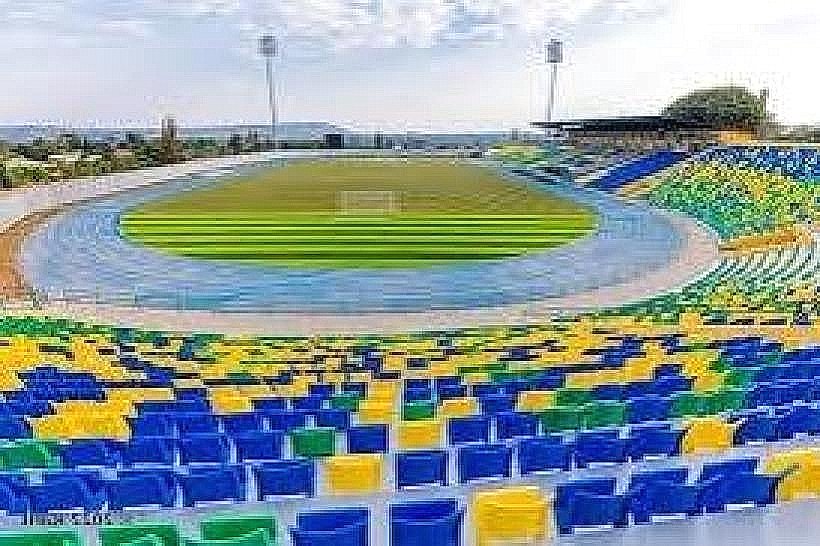
Huye Stadium – 1.2km West
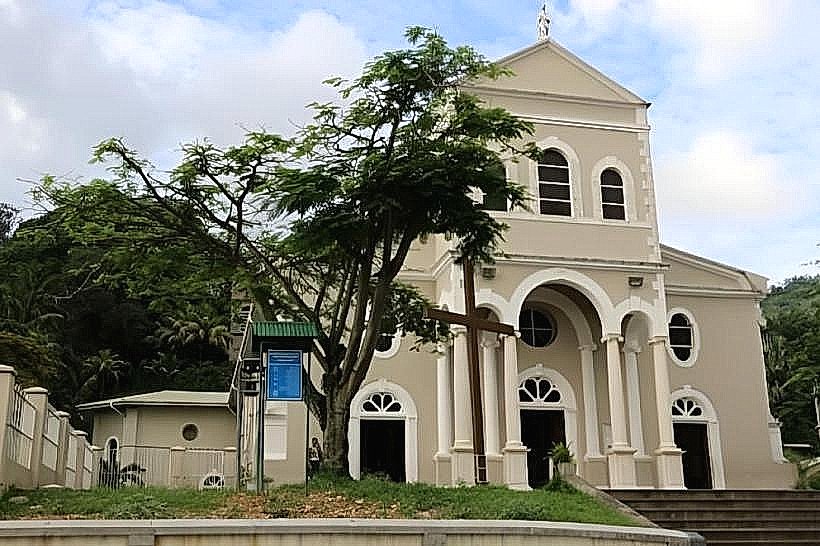
Cathedral of Our Lady of the Seven Sorrows – 1.8km Southwest
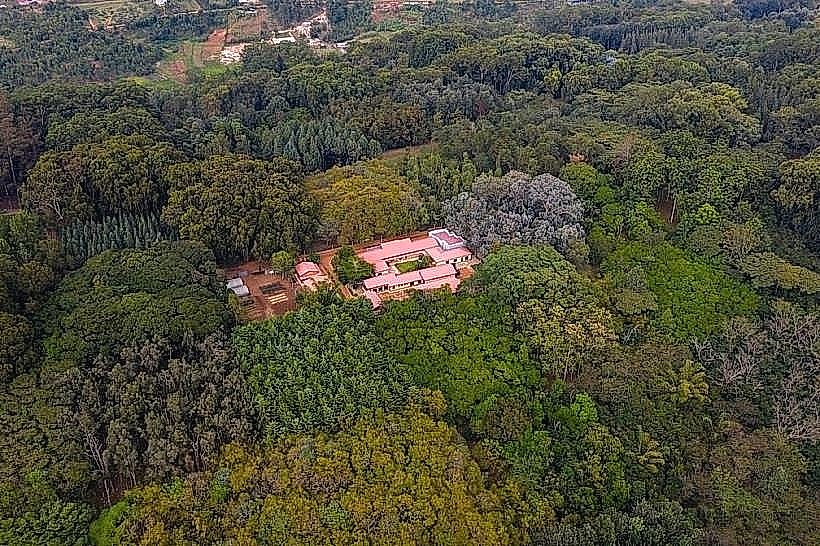
Arboretum of Ruhande – 2.5km Southeast
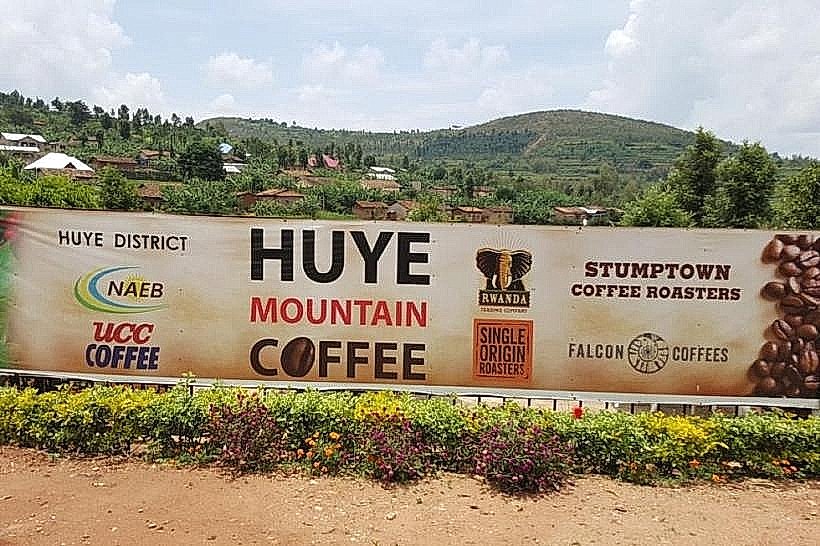
Huye Mountain Coffee – 6.5km West