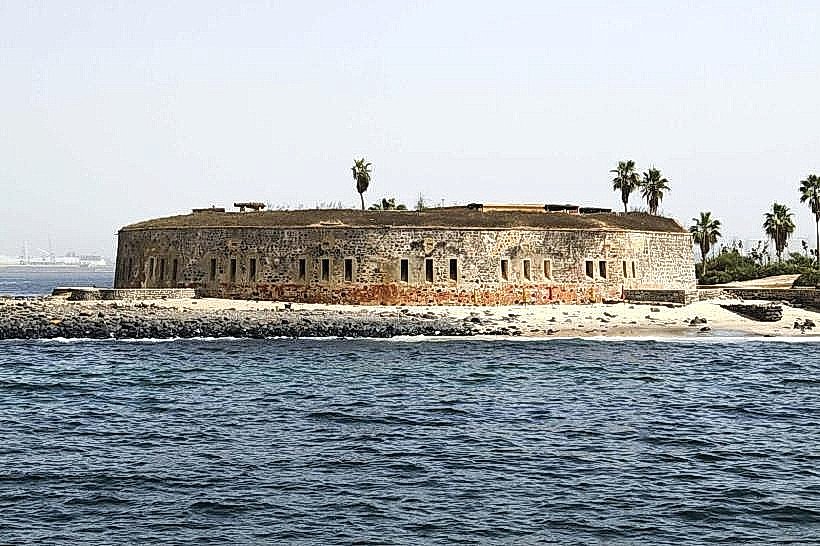
Landmark: Fort d'Estrees
City: Dakar
Country: Senegal
Continent: Africa
Fort d'Estrees, Dakar, Senegal, Africa
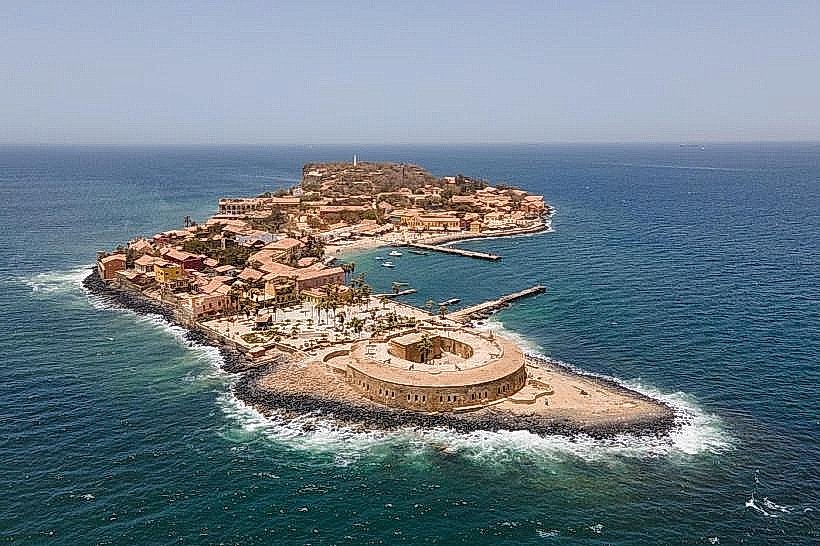
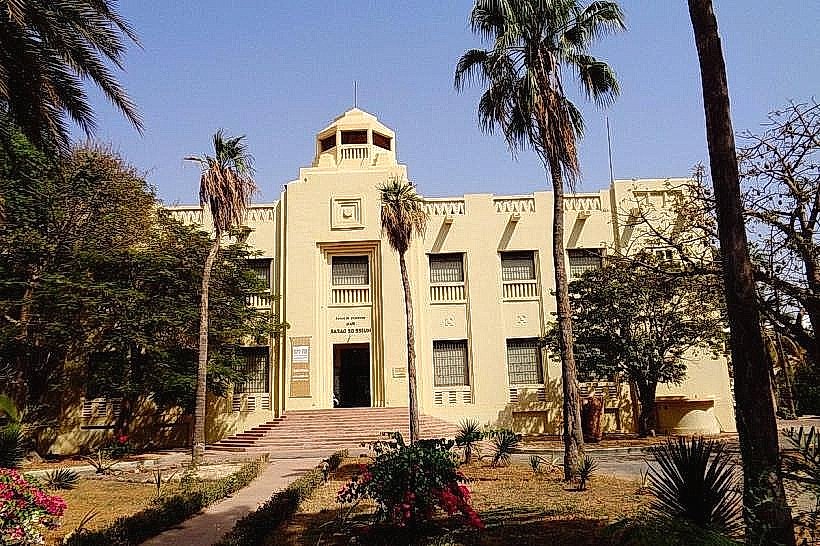
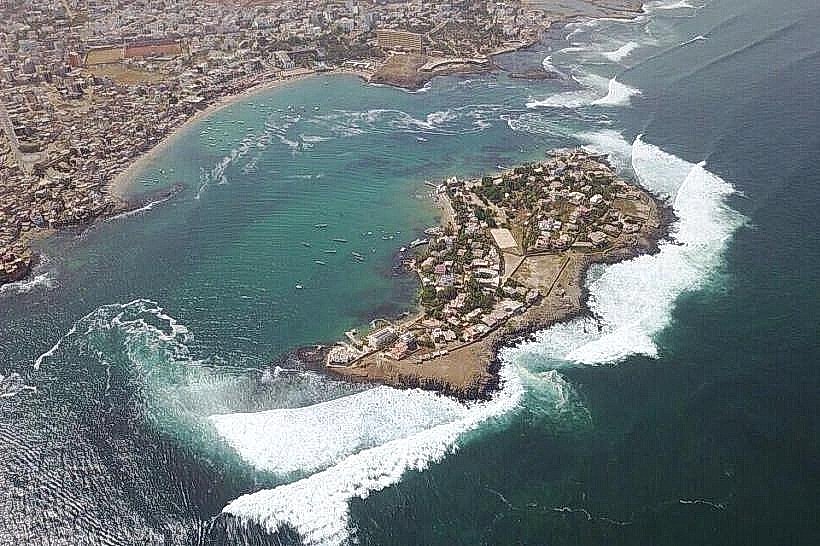
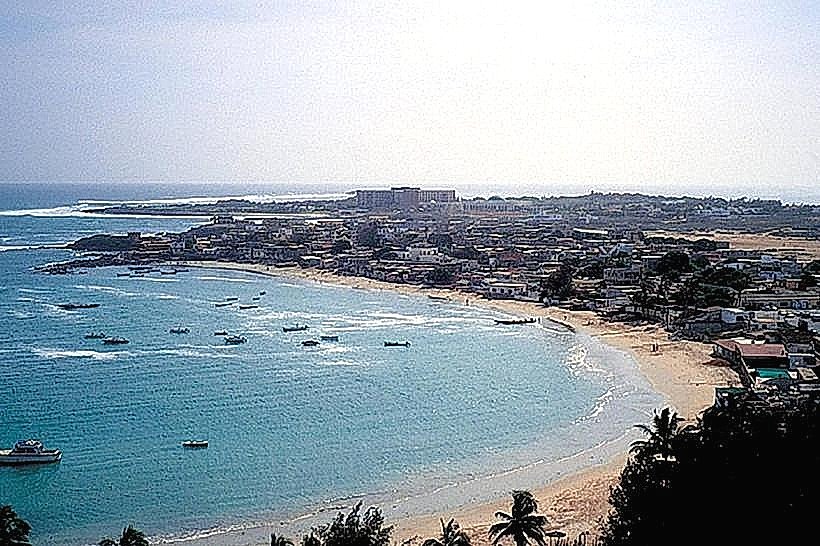
The Fort d'Estrées is a circular military fortification located on the northern tip of Gorée Island, Dakar. Since 1989, it has housed the IFAN Historical Museum, dedicated to the history of Senegal from the Paleolithic era to the present.
Visual Characteristics
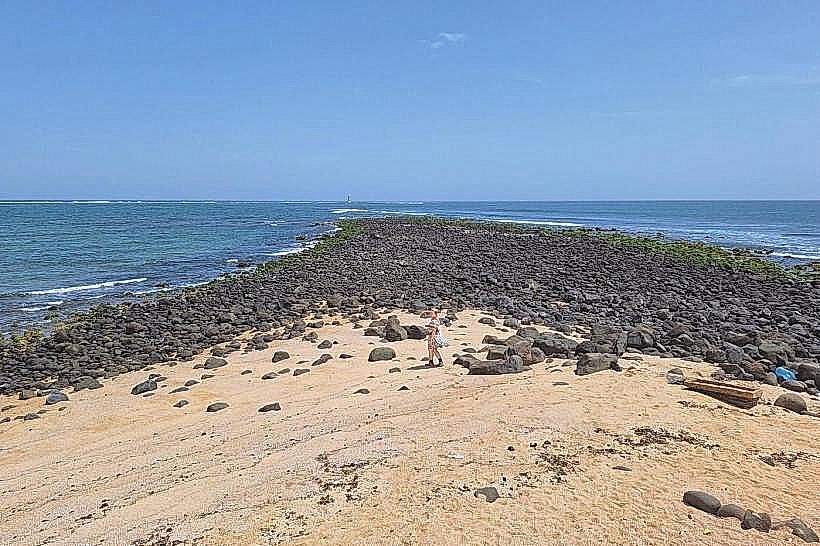
The fort is a massive, ring-shaped masonry structure built from dark volcanic basalt and lime. It features thick defensive walls, narrow slit windows (embrasures), and a central open-air courtyard. The exterior is characterized by its stark, functional military aesthetic, while the interior galleries have been converted into white-walled exhibition spaces. The fort is surrounded by a dry moat and a paved perimeter path that overlooks the rocky northern coastline and the Atlantic Ocean.
Location & Access Logistics
The site is situated at the northernmost point of Gorée Island, approximately 0.4km north of the main ferry pier. Access to the island is via a 20-minute ferry ride from the Dakar Railway Station pier. From the Gorée harbor, the fort is reached by a 5-minute walk along the coastal Rue des Dongeons. As the island is pedestrian-only, no vehicles are permitted. The ferry (Liaison Maritime Dakar-Gorée) operates roughly every 90 minutes.
Historical & Ecological Origin
Construction of the fort took place between 1852 and 1856, named after Vice-Admiral Jean d'Estrées, who captured the island from the Dutch in 1677. It was designed as a northern battery to complement the southern defenses at the Castel. The structure sits on a stable basalt shelf, part of the volcanic formation that created the island. During the colonial era, it served variously as a defensive battery, a prison, and a military barracks.
Key Highlights & Activities
IFAN Historical Museum: The museum contains 13 specialized rooms detailing Senegalese history, including resistance to colonial rule and the history of Islam in West Africa.
Architectural Exploration: Visitors can walk the circular ramparts and view the central courtyard from the upper galleries.
Coastal Views: The northern exterior provides a panoramic view of the Dakar port and the Almadies Peninsula.
Educational Tours: Guided tours are available to explain both the military history of the fort and the archaeological artifacts housed within.
Infrastructure & Amenities
The fort is a managed national museum with a ticket office and security personnel.
Facilities: Public restrooms are available inside the museum for visitors.
Connectivity: 4G and 5G cellular signals are strong and consistent.
Shade: The interior galleries and thick masonry walls provide significant natural cooling and shade.
Dining: There are no food vendors inside the fort, but numerous restaurants are located within a 200-meter walk toward the ferry pier.
Best Time to Visit
The museum is typically open Tuesday through Sunday, from 10:00 to 17:00 (closed on Mondays). For photography, the morning light (10:00 to 11:30) best illuminates the basalt exterior. The site is least crowded during weekday mornings. The dry season (December to May) offers the most comfortable temperatures for the walk from the harbor.
Facts & Legends
A verified historical oddity is that during World War II, the fort was used by the Vichy French forces to defend Dakar against the British during the "Operation Menace" naval attack in 1940. A local specific tip is that the museum holds a rare collection of Paleolithic stone tools found in the Cap-Vert peninsula, which are among the oldest human artifacts in West Africa.
Nearby Landmarks
Place de l'Europe: 0.2km South
Saint Charles Church: 0.3km Southeast
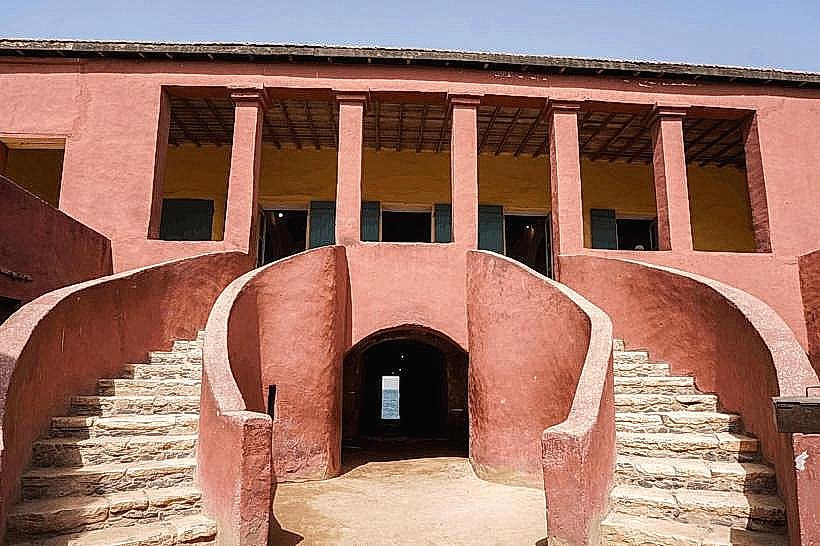
House of Slaves: 0.4km South
Gorée Police Station: 0.3km South
Place du Gouvernement: 0.3km Southwest