Landmark: High Desert Museum
City: Bend
Country: USA Oregon
Continent: North America
High Desert Museum, Bend, USA Oregon, North America
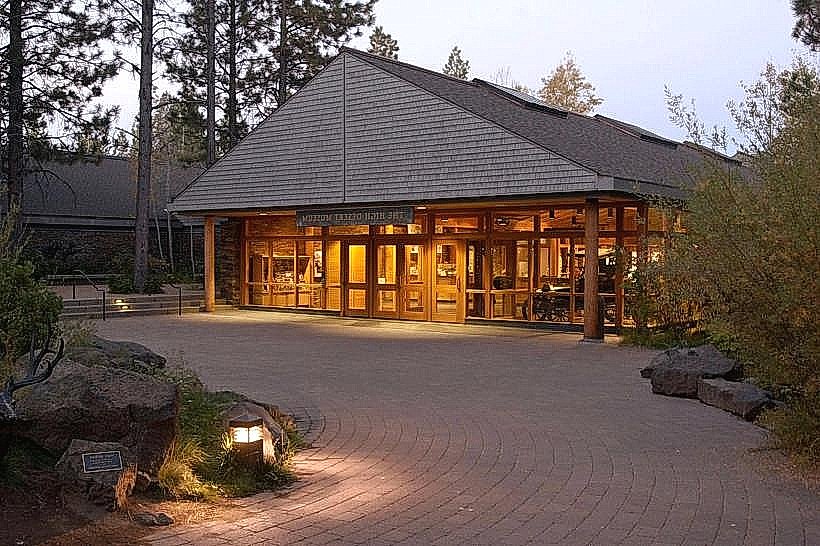
The High Desert Museum is an institution dedicated to interpreting the natural and cultural history of the high desert region of North America, located near Bend, Oregon.
It functions as a living history museum, zoo, and nature preserve, showcasing the environment and human experience of this arid landscape.
Visual Characteristics
The museum complex comprises several buildings constructed with natural materials, primarily wood and stone, designed to blend with the surrounding high desert environment. Structures are generally low-profile, with earth-toned exteriors. The grounds feature native high desert vegetation, including sagebrush, juniper, and various grasses, interspersed with natural rock formations and constructed habitats for resident wildlife.
Location & Access Logistics
The High Desert Museum is situated approximately 7 miles south of Bend, Oregon, along U.S. Route 97. Access is directly from U.S. Route 97. Ample free parking is available on-site for private vehicles. Public transportation options to the museum are limited; the closest bus stop is several miles away, requiring a significant walk or alternative transport.
Historical & Ecological Origin
Founded in 1982 by Donald P. Alderson, the museum was established to provide an educational and engaging experience of the high desert's unique ecosystem and human history. The site itself is part of the high desert plateau, characterized by volcanic geology and arid conditions, supporting specialized flora and fauna adapted to these environmental factors.
Key Highlights & Activities
Visitors can observe native wildlife in naturalistic enclosures, including raptors, mammals like coyotes and badgers, and reptiles. The museum features indoor exhibits detailing the region's geology, paleontology, and human settlement history. Outdoor walking paths allow exploration of the grounds and observation of plant life. Live demonstrations, such as raptor flight programs, are scheduled daily.
Infrastructure & Amenities
Restrooms are available within the main museum building and at designated outdoor locations. Shaded areas are provided by natural tree cover and constructed shelters along pathways. Cell phone signal (4G/5G) is generally available on the grounds. A cafe and gift shop are located within the main building, offering food and merchandise.
Best Time to Visit
For optimal wildlife viewing, early morning or late afternoon hours are recommended, as many animals are more active during cooler parts of the day. Spring (April-May) offers blooming wildflowers and active young animals. Summer (June-August) provides the warmest weather but can be hot. Autumn (September-October) presents pleasant temperatures and changing vegetation colors.
Facts & Legends
A notable feature is the museum's extensive collection of fossils, including a complete Columbian mammoth skeleton discovered in the region. The museum also houses a preserved 1904 steam locomotive, a significant piece of early 20th-century industrial history in the West.
Nearby Landmarks
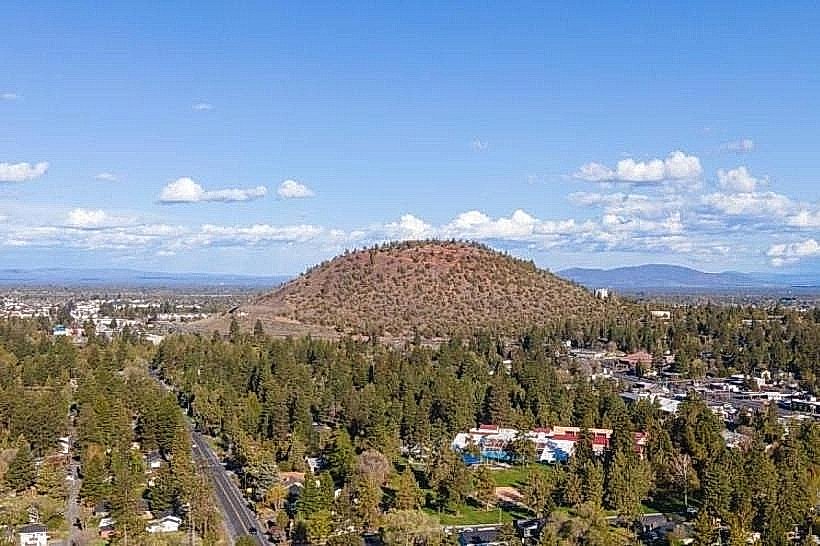
- Pilot Butte State Scenic Viewpoint (5.2km North)
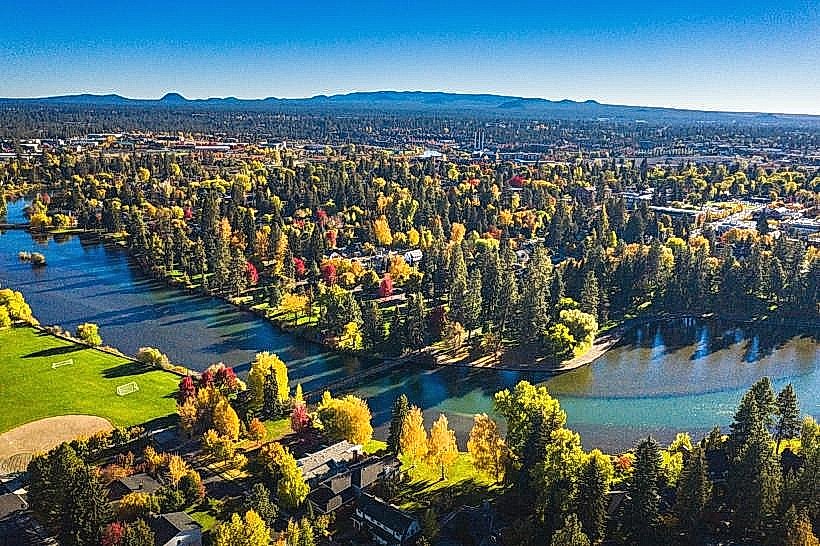
- Drake Park (7.1km North)
- Old Mill District (7.5km North)
- Lava River Cave (12.8km South)