Landmark: Hwaseong Fortress
City: Suwon
Country: South Korea
Continent: Asia
Hwaseong Fortress, Suwon, South Korea, Asia
Hwaseong Fortress is a 18th-century fortification encircling the central area of Suwon, South Korea.
It was constructed to house and defend the remains of Crown Prince Sado and his wife, Lady Hyegyeong.
Visual Characteristics
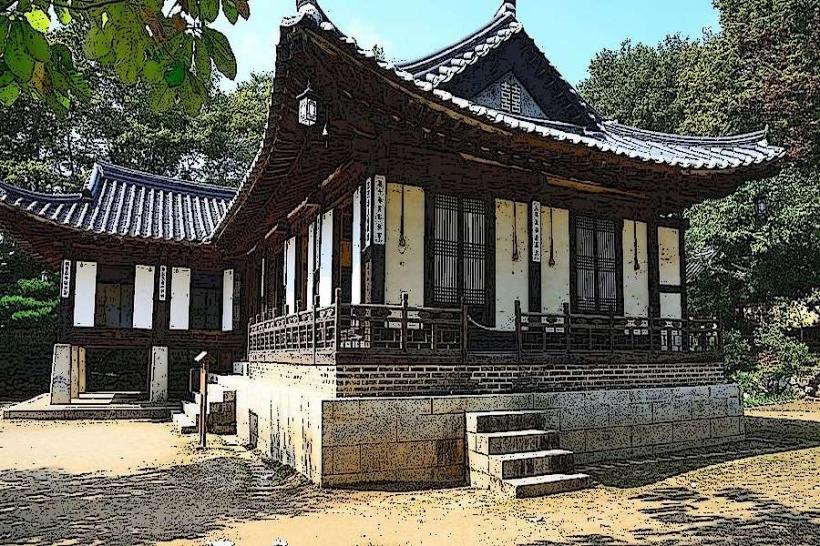
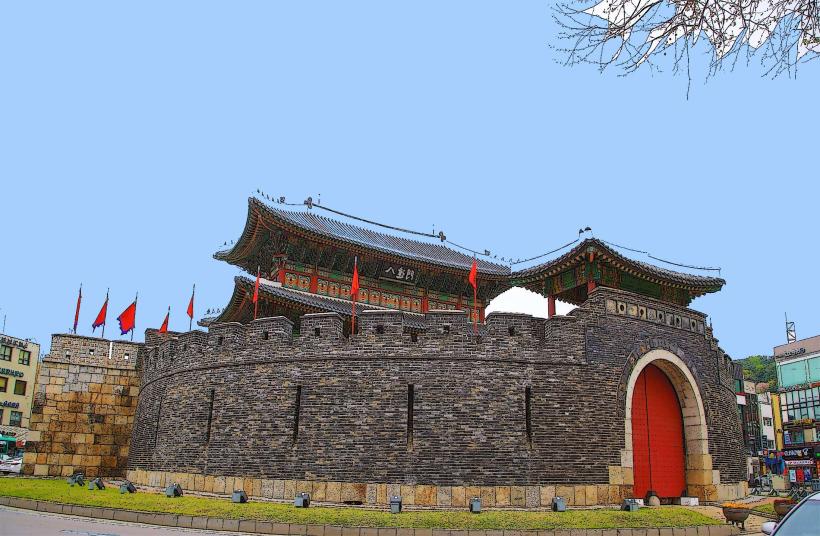
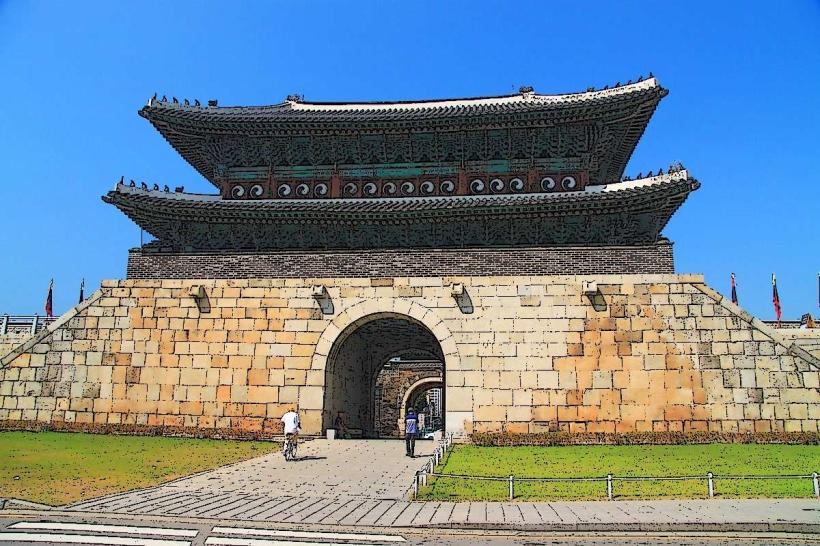
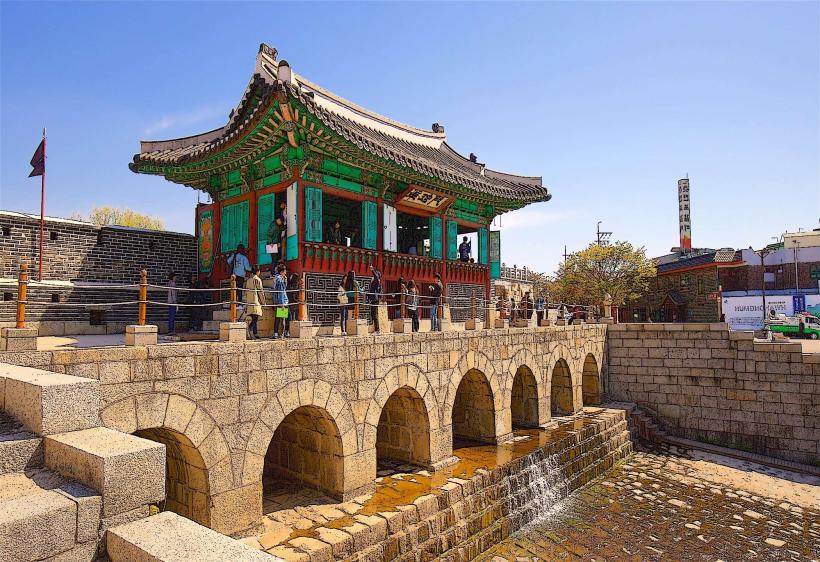
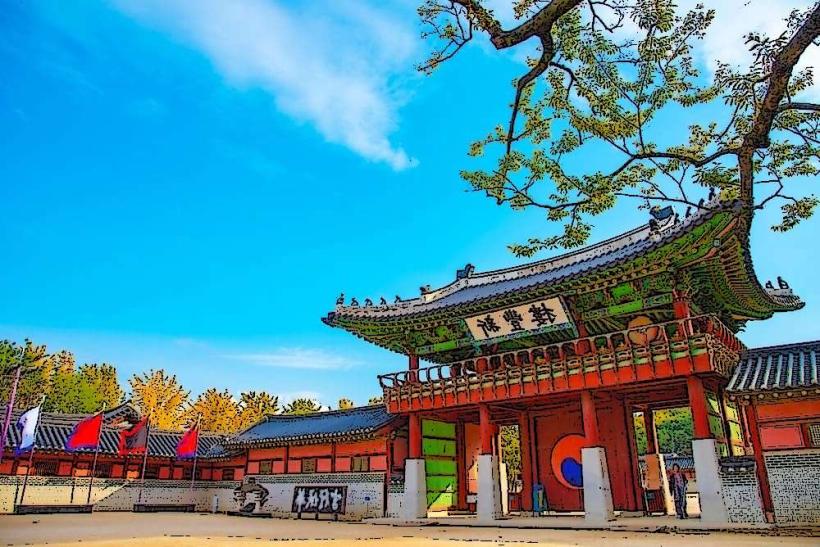
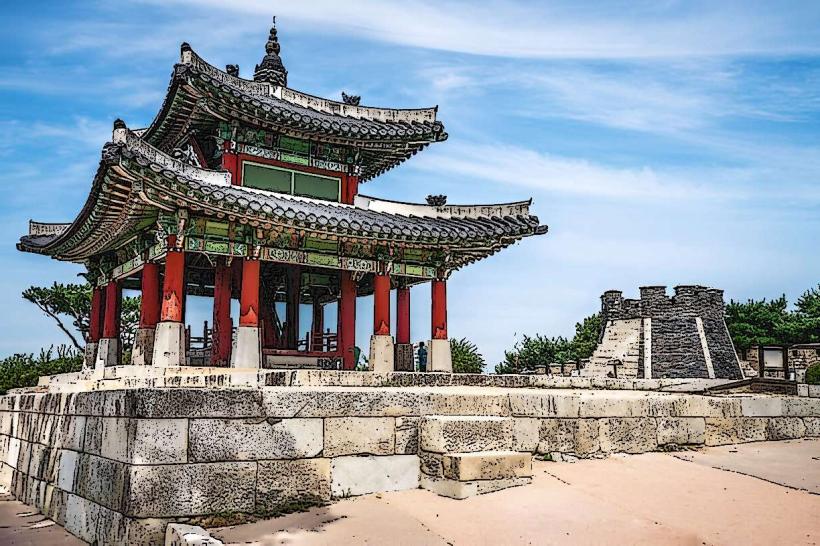
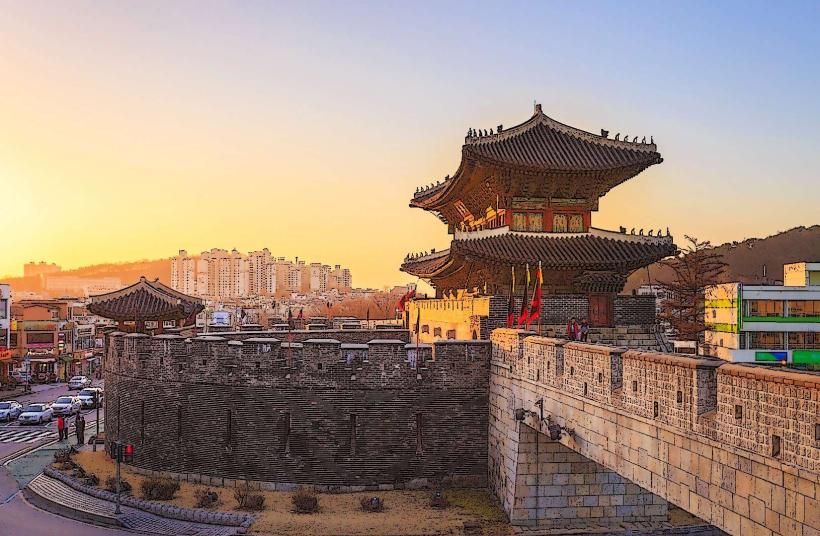
The fortress walls are constructed primarily from stone and brick, extending for approximately 5.7 kilometers. The structure incorporates various defensive features including bastions, gates, and watchtowers, exhibiting a blend of Joseon Dynasty architectural styles. The main gates, Paldalmun and Janganmun, are large, multi-tiered structures.
Location & Access Logistics
Hwaseong Fortress is located in the city center of Suwon, approximately 30 kilometers south of Seoul. Access is via National Route 1 or the Gyeongbu Expressway. Suwon Station, a major railway hub, is within walking distance of the fortress. Several city bus lines serve the area, with stops at Paldalmun and Janganmun. Paid parking is available at multiple points around the fortress perimeter, including near the main gates and the Hwaseong Haenggung Palace.
Historical & Ecological Origin
Construction of Hwaseong Fortress began in 1794 and was completed in 1796 under the direction of King Jeongjo. The fortress was designed by Jeong Yak-yong, a prominent scholar and engineer of the Joseon Dynasty. Its primary purpose was to relocate the capital to Suwon and to serve as a memorial and defensive structure.
Key Highlights & Activities
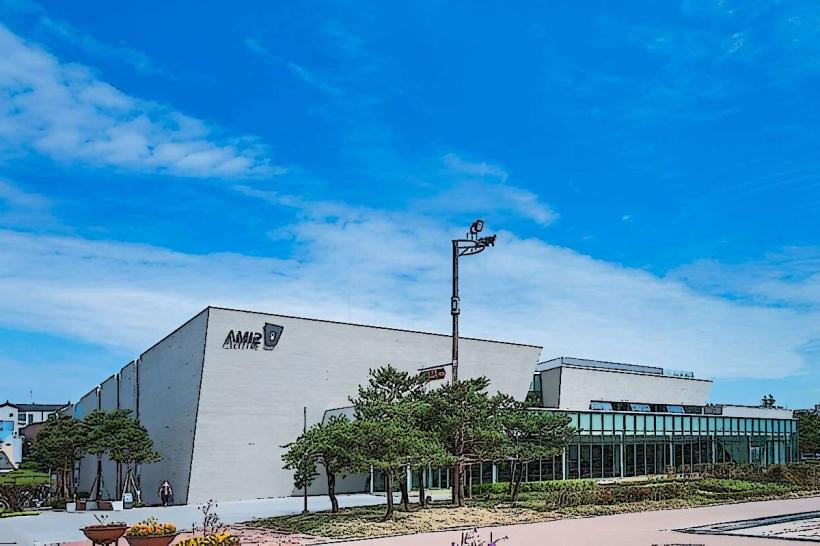
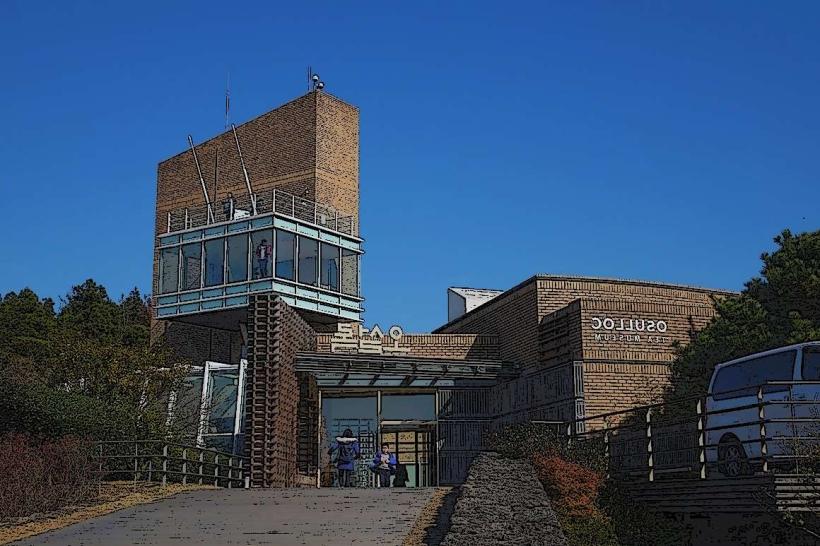
Visitors can walk along the entire perimeter of the fortress walls, offering panoramic views of Suwon. Specific activities include exploring the Hwaseong Haenggung Palace, a former temporary palace, and observing the various defensive structures such as the Hwaseong Museum and the Yeonmudae (military training ground). Archery demonstrations are held at Yeonmudae on weekends.
Infrastructure & Amenities
Restrooms are located at multiple points along the fortress walls and within the Hwaseong Haenggung Palace complex. Shaded areas are available at watchtowers and within the palace grounds. Cell phone signal (4G/5G) is generally strong throughout the fortress area. Food vendors and restaurants are concentrated near the main gates and within the city center surrounding the fortress.
Best Time to Visit
For optimal lighting for photography, early morning or late afternoon is recommended. The best months for visiting are April, May, September, and October, offering mild temperatures and clear skies. No specific tide requirements are applicable.
Facts & Legends
A unique historical detail is the fortress's rapid construction time of just over two years, achieved through innovative engineering and efficient labor management. A local legend suggests that if one can walk the entire fortress wall without stopping, their wishes will be granted.
Nearby Landmarks
- Hwaseong Haenggung Palace (0.1km West)
- Suwon Museum (0.3km South)
- Paldal Park (0.5km South)
- Suwon City Hall (1.2km North)
- Gyeonggi Provincial Museum (2.5km North-West)