Landmark: Korean Folk Village
City: Suwon
Country: South Korea
Continent: Asia
Korean Folk Village, Suwon, South Korea, Asia
The Korean Folk Village is a living museum depicting Joseon Dynasty life, situated in Yongin, Gyeonggi Province, South Korea, approximately 25 kilometers south of Seoul.
Visual Characteristics
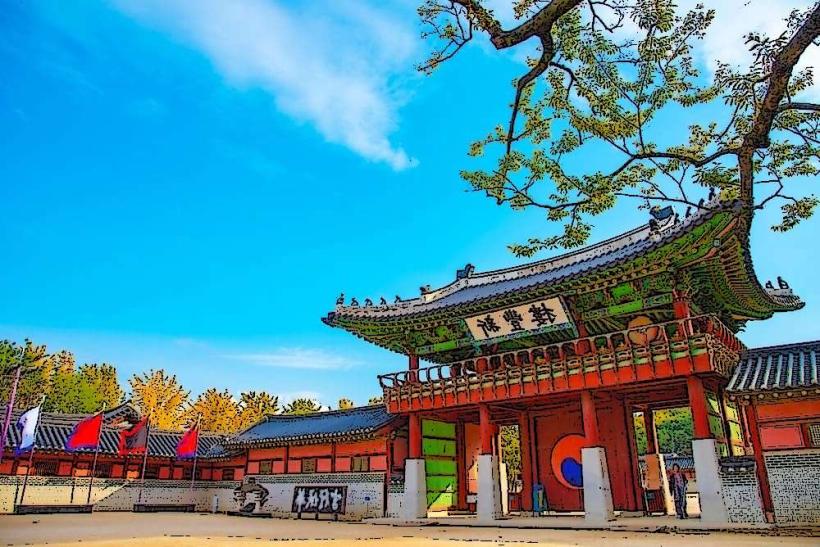
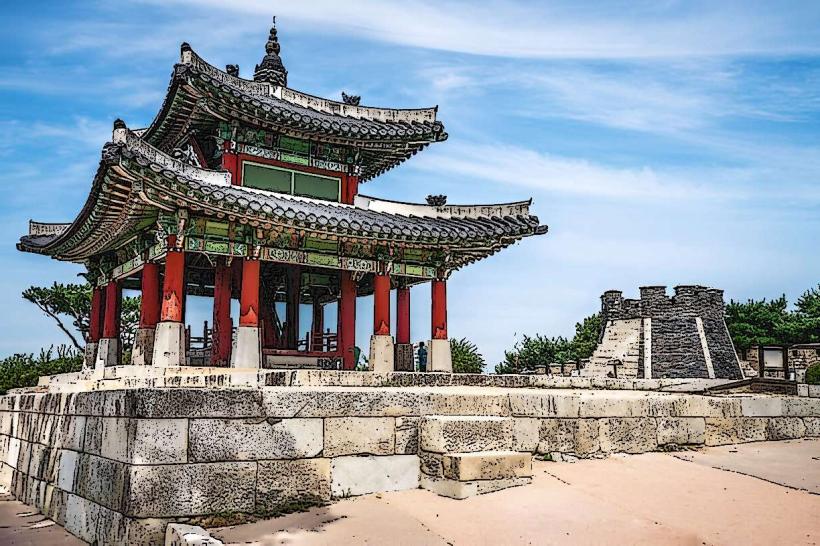
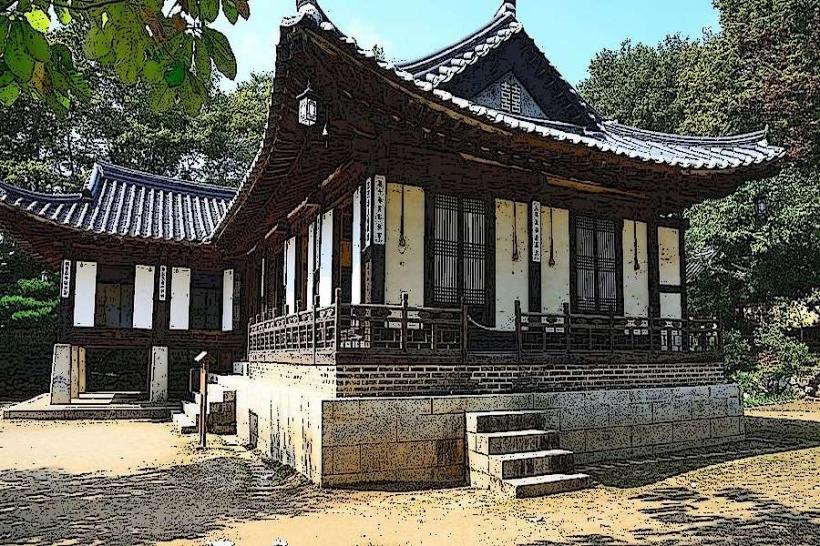
The village comprises over 270 traditional houses and structures, including noble residences, farmhouses, and artisan workshops, reconstructed with materials such as wood, thatch, and stone. Structures vary in size and complexity, reflecting different social strata of the Joseon era. The village is laid out with dirt paths and cobblestone walkways, interspersed with agricultural fields and a small stream.
Location & Access Logistics
The Korean Folk Village is accessible via the Gyeongbu Expressway (E-2). From Seoul, take the Gyeongbu Expressway towards Busan and exit at the Singal Interchange. Follow signs for Korean Folk Village. The journey from central Seoul is approximately 40-60 minutes by car, depending on traffic. Public transport options include taking Seoul Subway Line 1 to Suwon Station, then transferring to Bus 37 or Bus 10-5, which stop directly at the village entrance. Alternatively, from Gangnam Express Bus Terminal, take an intercity bus to Yongin Bus Terminal, then transfer to Bus 10-5. Parking is available on-site for a fee.
Historical & Ecological Origin
Established in 1974, the Korean Folk Village was designed to preserve and showcase traditional Korean culture and lifestyle from the Joseon Dynasty (1392-1897). It was conceived as an educational and cultural space, replicating historical architecture and daily life practices. The site itself is situated in a valley, with surrounding hills providing a natural backdrop.
Key Highlights & Activities
Visitors can observe traditional craft demonstrations, including pottery, weaving, and blacksmithing. Performances of traditional Korean music and dance are scheduled daily. The village offers opportunities to explore various types of Joseon-era housing, from commoner farmhouses to aristocratic mansions. Horseback riding and traditional games are also available. Specific activities include participating in a traditional wedding ceremony reenactment and exploring the folk museum.
Infrastructure & Amenities
Restrooms are located throughout the village. Designated shaded areas are available. Cell phone signal (4G/5G) is generally good within the village. Food vendors and restaurants offering Korean cuisine are present within the village premises.
Best Time to Visit
The best time for photography is during the morning or late afternoon when the sunlight is softer. Spring (April-May) and Autumn (September-October) offer pleasant weather with moderate temperatures and clear skies. Summer months (June-August) can be hot and humid, while winter (December-February) is cold. There are no specific tide requirements as the village is inland.
Facts & Legends
A unique aspect of the village is its collection of over 200 traditional houses, many of which were relocated from their original sites across the country and meticulously reconstructed. One specific architectural feature to note is the "Namsadangpae" performance stage, which was a traveling troupe of entertainers during the Joseon era.
Nearby Landmarks
- Everland Resort (2.5km Southeast)
- Yongin Central Park (4.0km Northwest)
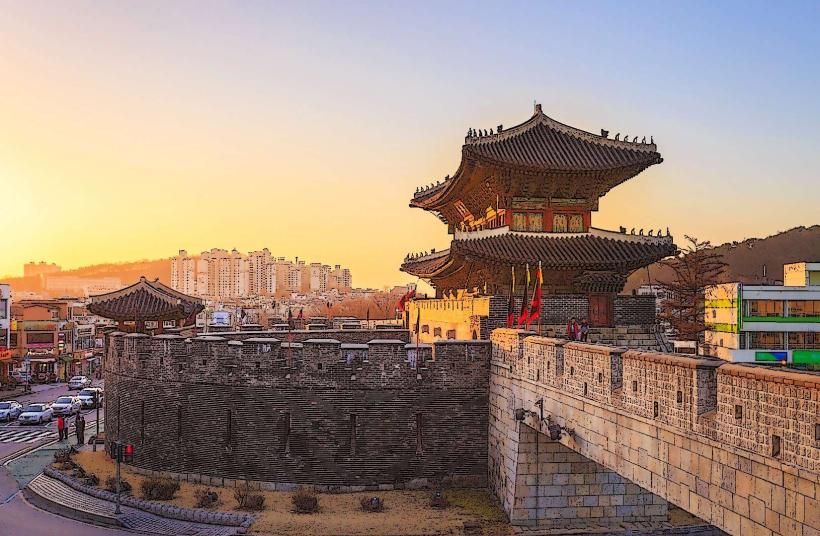
- Suwon Hwaseong Fortress (12.0km West)
- Korean National University of Cultural Heritage (3.0km Southwest)