Landmark: Jinwi Green Tea Museum
City: Suwon
Country: South Korea
Continent: Asia
Jinwi Green Tea Museum, Suwon, South Korea, Asia
The Jinwi Green Tea Museum is a facility dedicated to the cultivation and promotion of green tea, situated in Suwon, South Korea.
It serves as an educational and experiential center for visitors interested in tea culture.
Visual Characteristics
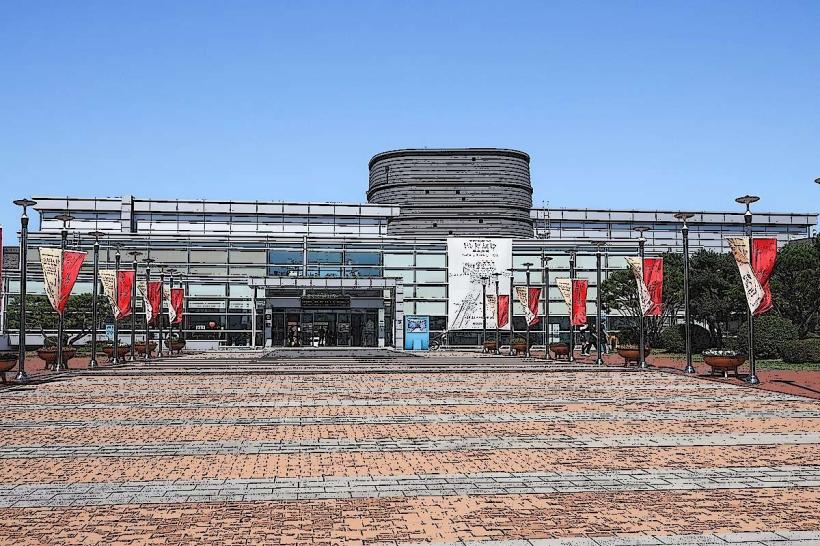
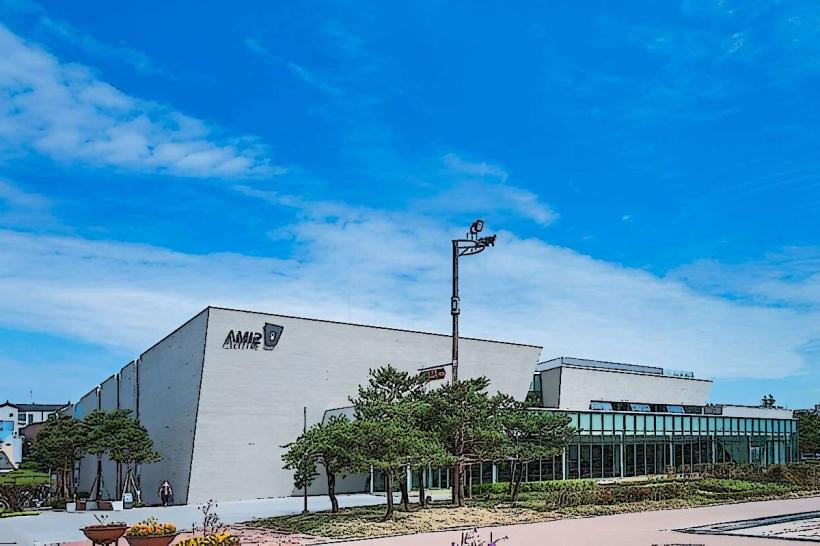
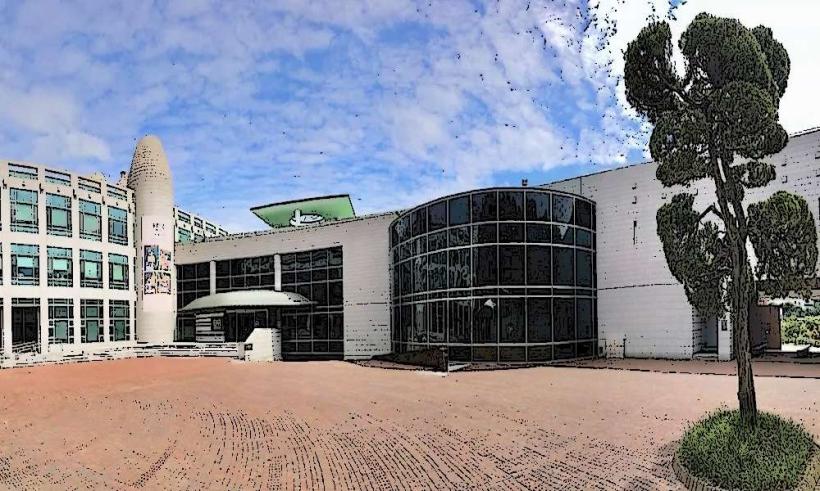
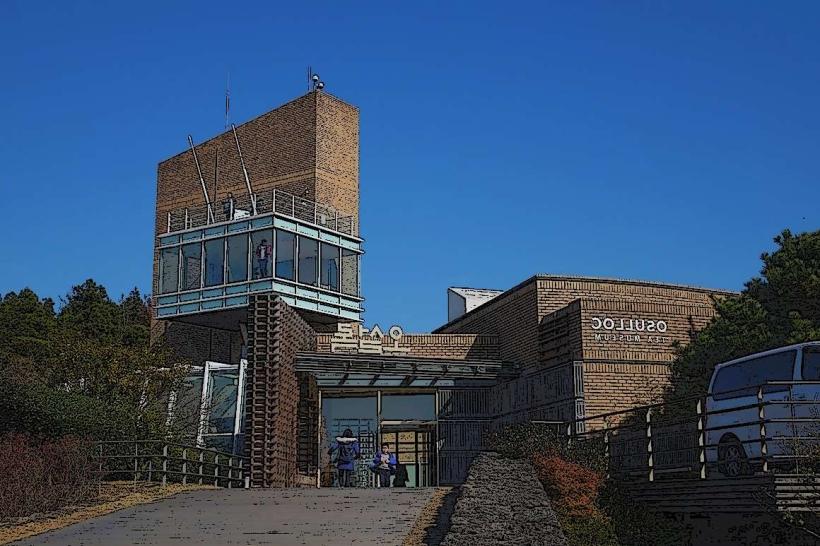
The museum building is constructed primarily from light-colored wood and glass, featuring a modern, minimalist design. Its roofline is gently sloped, designed to blend with the surrounding landscape. The interior spaces are open and airy, with natural light emphasized. The exterior grounds include meticulously maintained tea fields, characterized by rows of low-lying green tea bushes.
Location & Access Logistics
The Jinwi Green Tea Museum is located approximately 15 kilometers southwest of Suwon city center. Access is primarily via private vehicle, utilizing National Road 39. Parking is available on-site in a designated lot. Public transport options are limited; the nearest bus stop is approximately 2 kilometers from the museum, requiring a walk or taxi transfer.
Historical & Ecological Origin
The museum was established in 2015 to support and expand the local Jinwi green tea cultivation, which has a history dating back to the early 20th century. The surrounding area's soil composition and temperate climate are conducive to high-quality tea leaf production.
Key Highlights & Activities
Visitors can participate in guided tours of the tea fields, observe the tea processing stages, and attend workshops on tea tasting and preparation. A retail section offers various green tea products for purchase. The museum also features an exhibition area detailing the history and benefits of green tea.
Infrastructure & Amenities
Restrooms are available within the main museum building. Limited shaded seating areas are provided outdoors. Cell phone signal (4G/5G) is generally reliable on the premises. There are no on-site food vendors, but nearby villages offer local dining options.
Best Time to Visit
For optimal viewing of the tea fields, the months of April and May are recommended, coinciding with the spring harvest. Mid-morning offers good natural light for photography of the fields. The museum is open year-round, with indoor exhibits accessible regardless of weather conditions.
Facts & Legends
Local lore suggests that the specific microclimate of the Jinwi region imparts a unique, subtle sweetness to its green tea leaves, attributed to the mineral content of the soil and consistent fog cover during certain seasons.
Nearby Landmarks
- Hwaseong Fortress (8km Northeast)
- Suwon Museum of Art (12km Northeast)
- Korean Folk Village (10km Southwest)
- Yongin City Hall (14km Northwest)