Landmark: Monument Demba et Dupont
City: Dakar
Country: Senegal
Continent: Africa
Monument Demba et Dupont, Dakar, Senegal, Africa
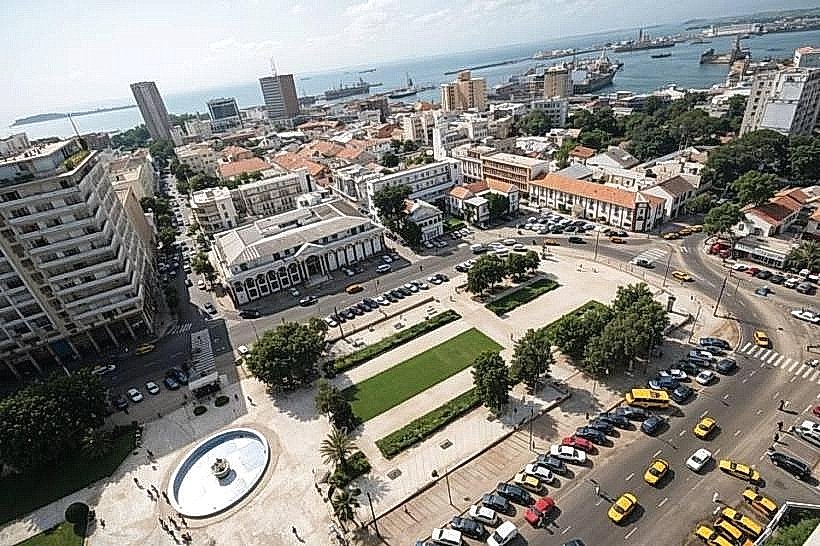
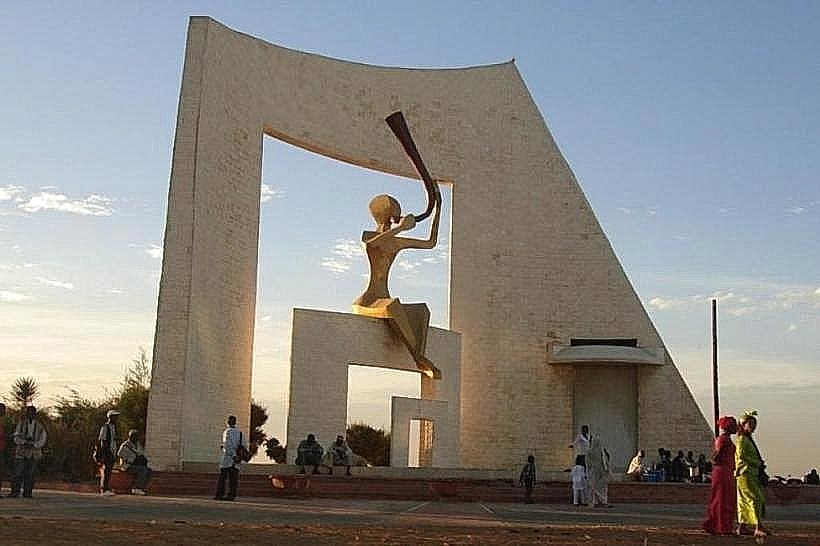
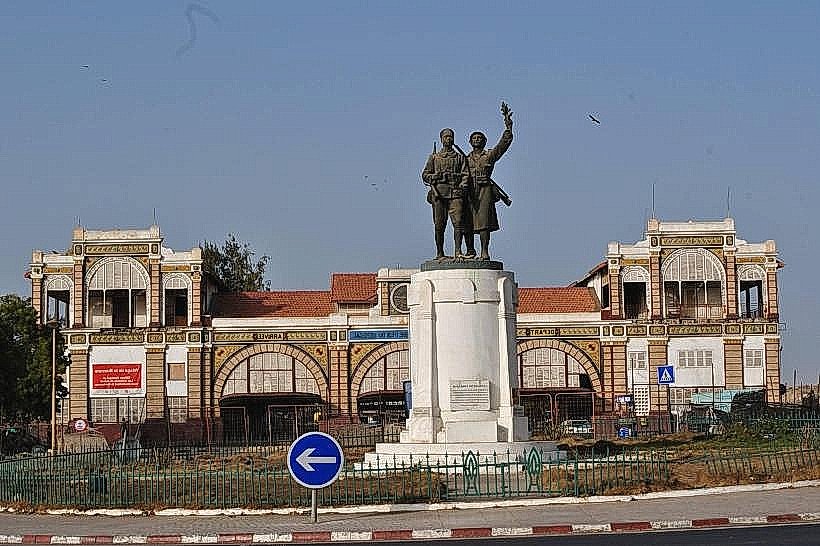
The Monument Demba et Dupont is a bronze and stone commemorative sculpture located at the Place des Tirailleurs in the Plateau district of Dakar, Senegal. The site is positioned directly in front of the Dakar Railway Station and serves as a memorial to the West African soldiers (Tirailleurs Sénégalais) who served in the French military.
Visual Characteristics
The monument features a dual-figure bronze sculpture atop a rectangular stone pedestal. The figures depict a Senegalese soldier (Demba) and a French soldier (Dupont) standing side-by-side, with the African soldier resting a hand on the Frenchman's shoulder in a gesture of camaraderie. The bronze has developed a dark green patina over time, while the pedestal is constructed from light-colored, weather-worn masonry. The surrounding plaza is paved with gray concrete tiles and bordered by low metal bollards.
Location & Access Logistics
The site is situated at the intersection of Boulevard de la Libération and Avenue du Président Lamine Guèye, 0.2km north of the Port of Dakar entrance. It is accessible via the Dakar Railway Station (TER terminus) and numerous Dakar Dem Dikk bus lines (1, 12, 15, and 18) that converge at the station plaza. Taxis can drop passengers at the edge of the pedestrian zone. There is no dedicated parking lot; limited street parking is available in the neighboring Plateau commercial streets.
Historical & Ecological Origin
The sculpture was originally cast in 1923 by French sculptor Paul Ducuing and was first erected in the Place de l'Indépendance (then Place Protet). After being moved to the Bel-Air cemetery following Senegalese independence in 1960, it was rehabilitated and relocated to its current site in 2004 by presidential decree. The monument commemorates the shared military history between France and its former West African colonies during World War I and World War II.
Key Highlights & Activities
The primary activity is historical observation and photography of the statues and the surrounding colonial-era architecture. Visitors can read the commemorative plaques at the base of the pedestal detailing the history of the Tirailleurs. The plaza serves as a starting point for walking tours of the Plateau district's historical monuments. No formal guided tours are stationed at the site, but it is a frequent stop for municipal cultural guides.
Infrastructure & Amenities
Infrastructure is limited to the open-air plaza. There are no public restrooms on the square, though facilities are available inside the adjacent Dakar Railway Station for a small fee. 4G and 5G cellular coverage is excellent throughout the area. Numerous street vendors sell beverages and snacks in the immediate vicinity, and the Plateau commercial district offers full restaurant services within a 100-meter radius. Natural shade is not provided on the plaza.
Best Time to Visit
The monument is in an open public space accessible 24 hours a day. For photography, the late afternoon (16:00 to 18:00) provides the best lighting on the bronze figures without the harsh vertical shadows of the midday sun. The site is most active during the morning and evening rail commute hours. The dry season (December to May) is the most comfortable period for extended outdoor viewing.
Facts & Legends
A verified historical oddity is that the monument was originally commissioned to celebrate "The Glory of the French Colonial Empire," but its meaning was recontextualized upon its 2004 relocation to honor African sacrifice specifically. A local secret is that the "Demba" figure was modeled after a real Tirailleur veteran who lived in Dakar during the 1920s, making it one of the few colonial-era statues based on a specific African individual.
Nearby Landmarks
Dakar Railway Station: 0.1km North
Port of Dakar: 0.2km East
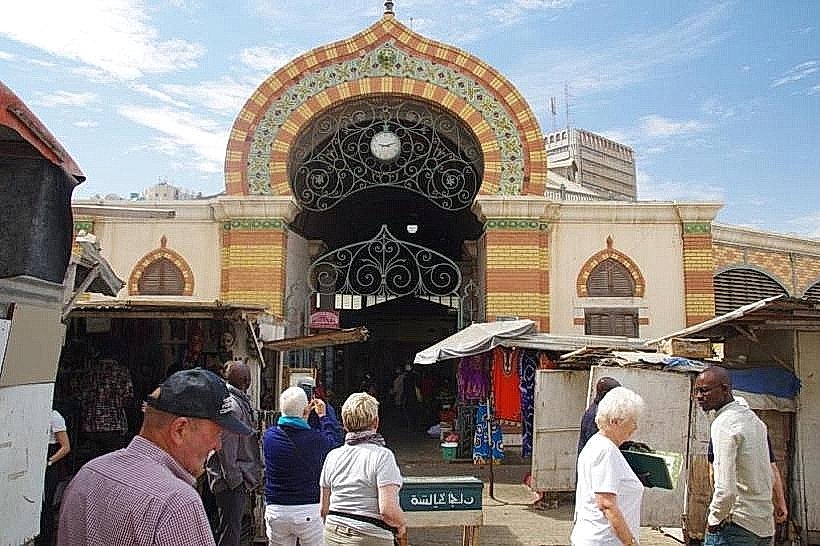
Marché Kermel: 0.5km South
Place de l'Indépendance: 0.6km Southwest
Dakar City Hall: 0.4km Southeast