Landmark: Mount Balbi
City: East New Britain
Country: Papua New Guinea
Continent: Australia
Mount Balbi, East New Britain, Papua New Guinea, Australia
Mount Balbi is a stratovolcano located on New Britain Island in the East New Britain Province of Papua New Guinea.
It is the highest point on the island and is part of the Bismarck Archipelago volcanic arc.
Visual Characteristics
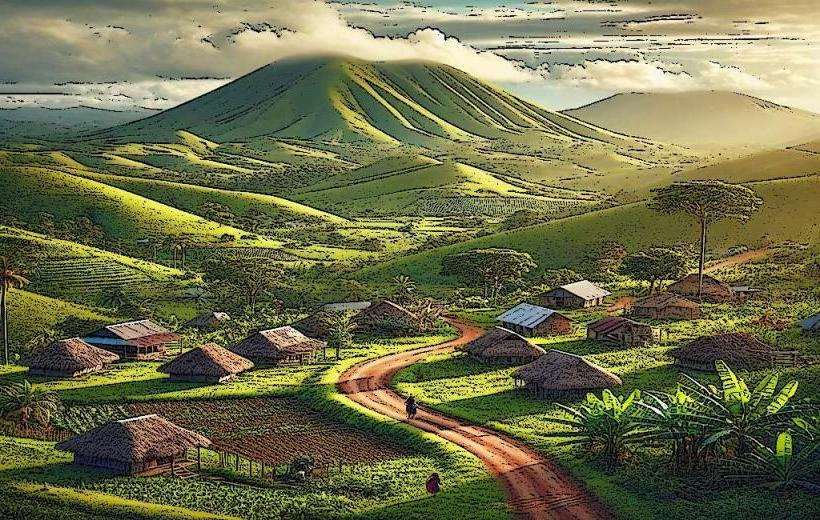
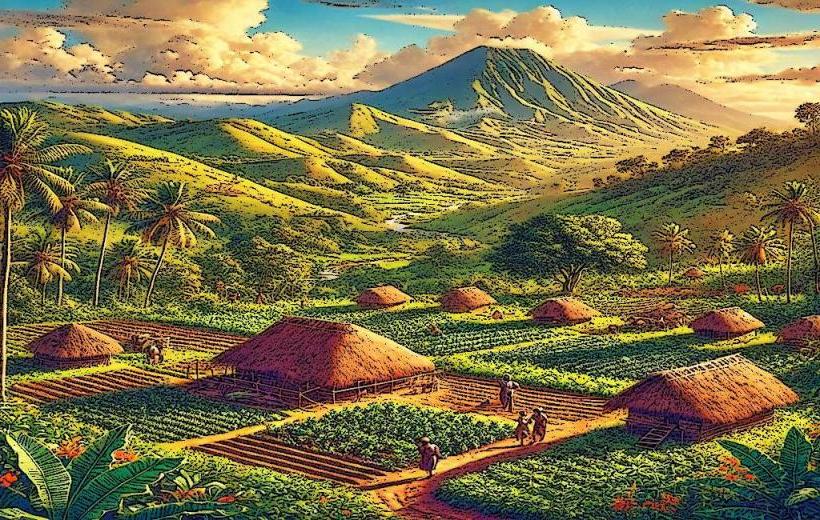
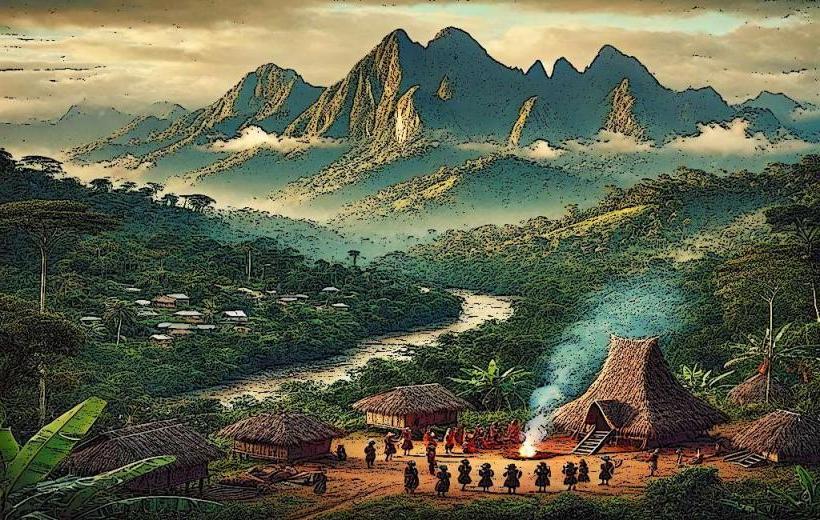
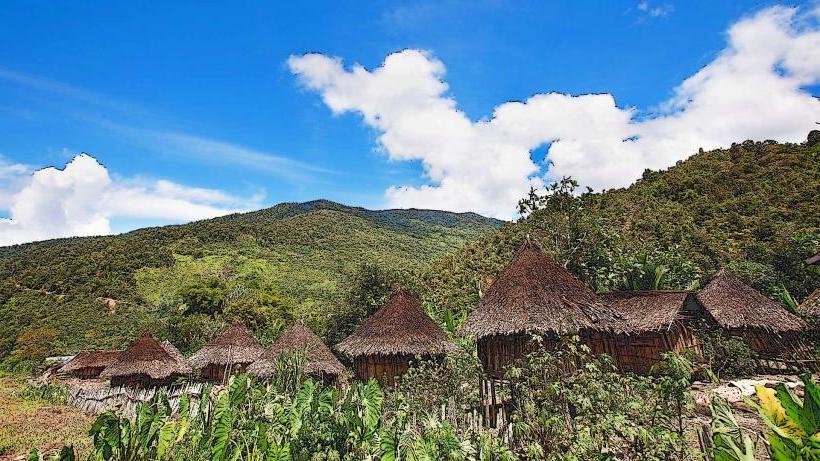
Mount Balbi is a large, conical stratovolcano with a summit caldera. The slopes are covered in dense tropical rainforest. The caldera contains a crater lake, though its visibility and size can vary. The surrounding terrain is rugged and characterized by steep valleys and ridges.
Location & Access Logistics
Mount Balbi is situated approximately 60 kilometers southwest of Rabaul. Access is primarily via rough tracks originating from the Gazelle Peninsula. The nearest major town with an airport is Rabaul. There are no established public transport routes directly to the volcano's base. Vehicle access is limited to 4WD vehicles, and the final approach often requires trekking. Parking is informal and available at the trailhead, subject to weather conditions.
Historical & Ecological Origin
Mount Balbi is a Quaternary stratovolcano formed by subduction of the Solomon Sea Plate beneath the Bismarck Sea Plate. Its formation is part of the ongoing volcanic activity in the region. The volcano is considered active, with its last confirmed eruption occurring in the Holocene epoch, though specific dates are not precisely recorded.
Key Highlights & Activities
Trekking to the summit caldera is the primary activity. The ascent involves navigating dense jungle terrain and steep gradients. Observation of the crater lake is possible from the caldera rim. Wildlife observation is also a potential activity due to the rich biodiversity of the rainforest.
Infrastructure & Amenities
There are no developed infrastructure or amenities at Mount Balbi. Restrooms, shade structures, and food vendors are absent. Cell phone signal is generally not available in the vicinity of the volcano. Visitors must be self-sufficient.
Best Time to Visit
The dry season, typically from June to September, offers the most favorable conditions for trekking due to reduced rainfall and potentially less muddy trails. The best time of day for any potential photography would be early morning, before cloud cover typically builds over the summit.
Facts & Legends
Local oral traditions sometimes associate Mount Balbi with ancestral spirits or significant geological events. A specific documented historical oddity is the volcano's significant elevation, making it a prominent feature of the island's topography, yet its volcanic activity is less frequently documented compared to other nearby volcanoes like Tavurvur.
Nearby Landmarks
- Rabaul Volcano Observatory (25km Northeast)
- Mount Tavurvur (30km Northeast)
- Mount Vulcan (35km Northeast)
- Kokopo Town (40km Northeast)