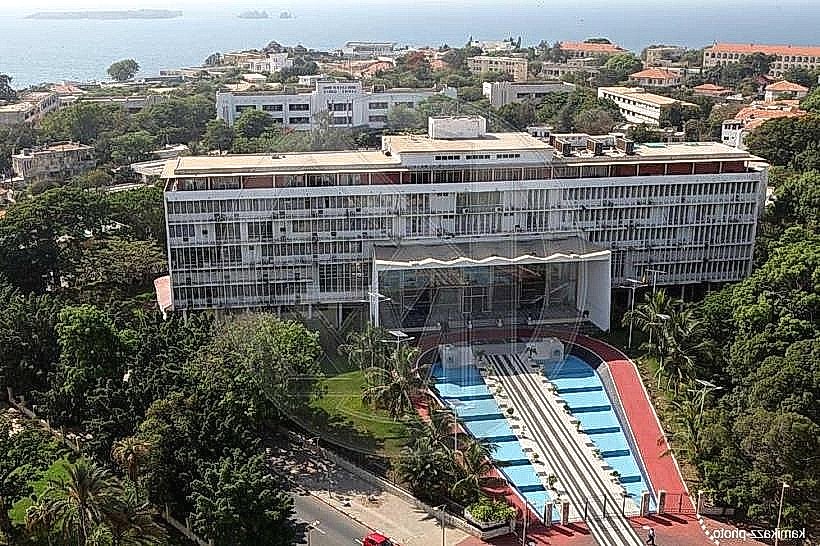
Landmark: National Assembly of Senegal
City: Dakar
Country: Senegal
Continent: Africa
National Assembly of Senegal, Dakar, Senegal, Africa
The National Assembly of Senegal (Assemblée Nationale du Sénégal) is the seat of the country's unicameral legislative body, located in the Plateau district of Dakar. It serves as the primary institution for parliamentary debate, law-making, and government oversight.
Visual Characteristics
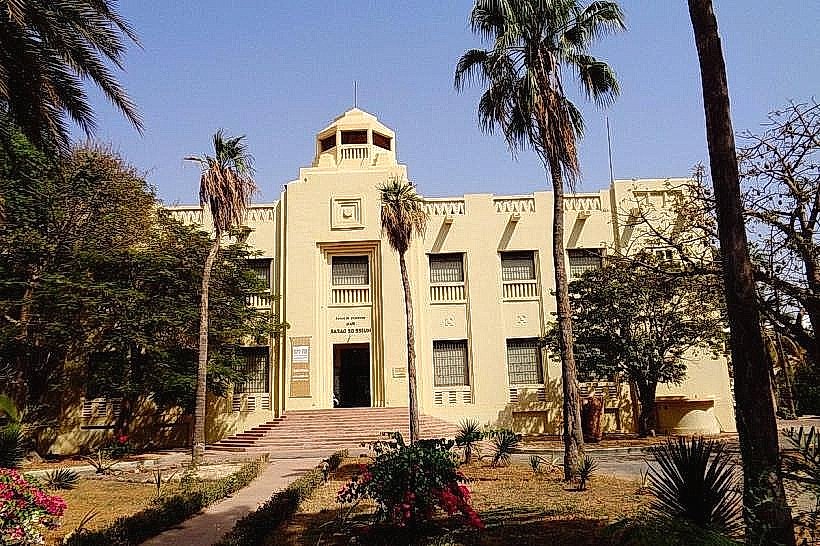
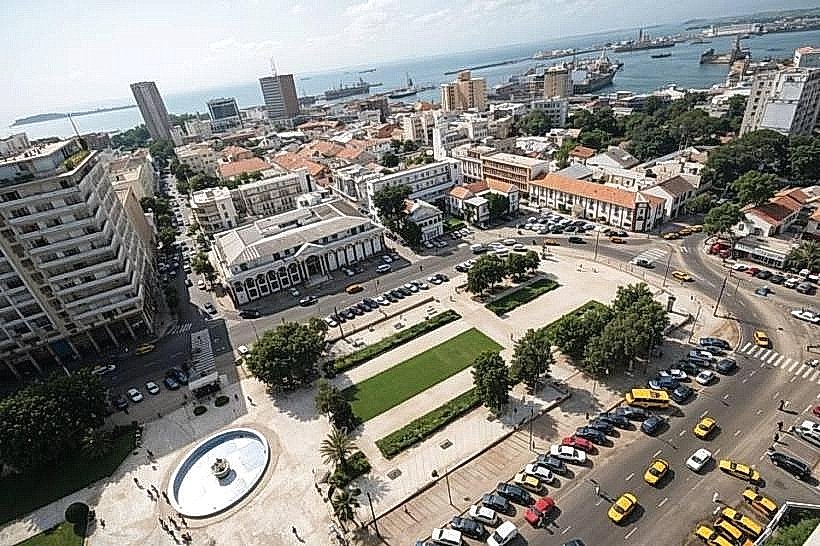
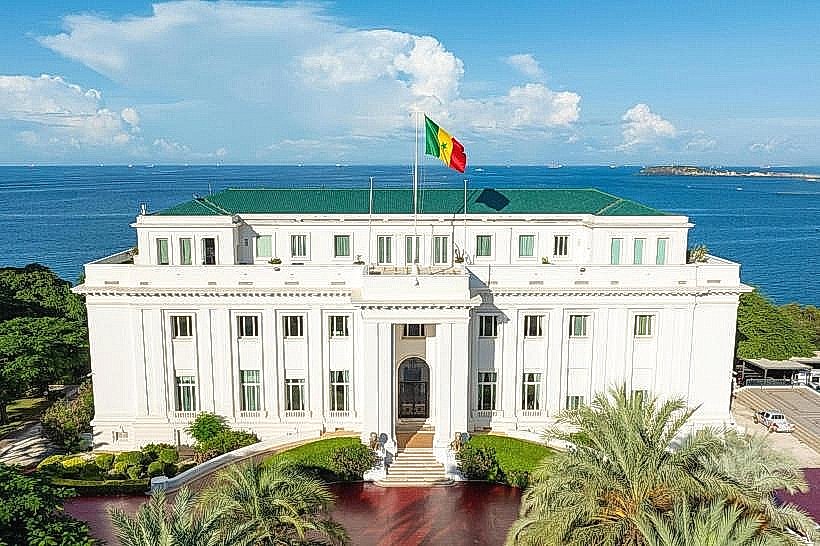
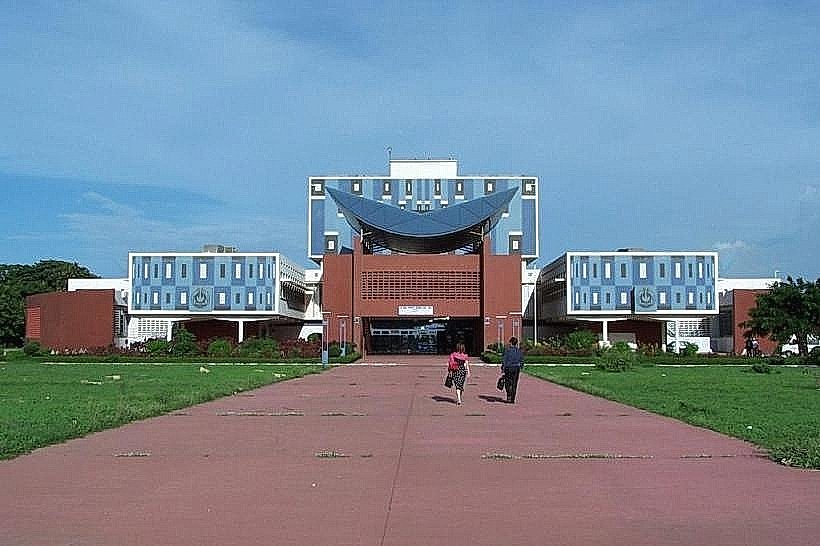
The building is a grand, multi-story white structure designed in a mid-20th-century modernist style with neoclassical influences. Its most prominent feature is the large, semi-circular debating chamber (hemicycle) housed within the central block. the facade is characterized by repetitive vertical concrete louvers (brise-soleil) and high windows, fronted by a wide ceremonial staircase and a formal plaza where the national flag is permanently hoisted.
Location & Access Logistics
The National Assembly is situated on the Place de Soweto, at the intersection of Rue Félix Faure and Boulevard de la République. It is located approximately 0.8 kilometers north of the Palais de la République. Public transport is readily available via Dakar Dem Dikk bus lines that traverse the Plateau. Due to its status as a high-security government site, the immediate perimeter is strictly monitored by the Gendarmerie, and parking is reserved for deputies and official staff.
Historical & Ecological Origin
The building was inaugurated in 1956, originally serving as the Grand Council of French West Africa (AOF) before Senegal's independence. Following the dissolution of the AOF and Senegal's transition to a sovereign republic in 1960, the site became the official home of the national parliament. It sits on the Dakar Plateau, a stable geological formation of volcanic basalt that underpins the city's administrative core.
Key Highlights & Activities
As a restricted government facility, public activity is generally limited to the exterior and scheduled sessions.
Parliamentary Sessions – Public gallery access is sometimes permitted during plenary sessions, allowing citizens to observe legislative debates.
Ceremonial Events – The plaza is a site for official state ceremonies and the arrival of foreign dignitaries visiting the legislature.
Place de Soweto – The adjacent square is a historic site for civic gatherings and political demonstrations, serving as a focal point for Senegalese democratic expression.
Infrastructure & Amenities
The facility is a fully modernized administrative complex.
5G and 4G cellular coverage is exceptionally strong due to its proximity to the presidential and ministerial quarters.
The interior contains a specialized legislative library, committee rooms, and administrative offices.
Public restrooms are not available for passersby; visitors must find facilities in nearby commercial buildings or the Musée Théodore Monod.
Natural shade is provided by the manicured trees lining the Place de Soweto.
Best Time to Visit
The exterior is best viewed during daylight hours for architectural photography. The building is most significant during the "Rentrée Parlementaire" (opening of the parliamentary session), when the area is decorated and high-ranking officials are in attendance. Visitors should be aware that during periods of intense legislative debate, pedestrian access to the Place de Soweto may be temporarily restricted for security.
Facts & Legends
The National Assembly has been the site of several pivotal moments in Senegalese history, including the constitutional debates that shaped the early republic. A common local observation is that the "Pulse of the Republic" can be felt at Place de Soweto; the level of activity and the presence of the Gendarmerie there often signal the current political temperature of the nation.
Nearby Landmarks
Musée Théodore Monod d'Art Africain - 0.1km East
Palais de la République - 0.8km South
Cathedral of African Remembrance - 0.6km South
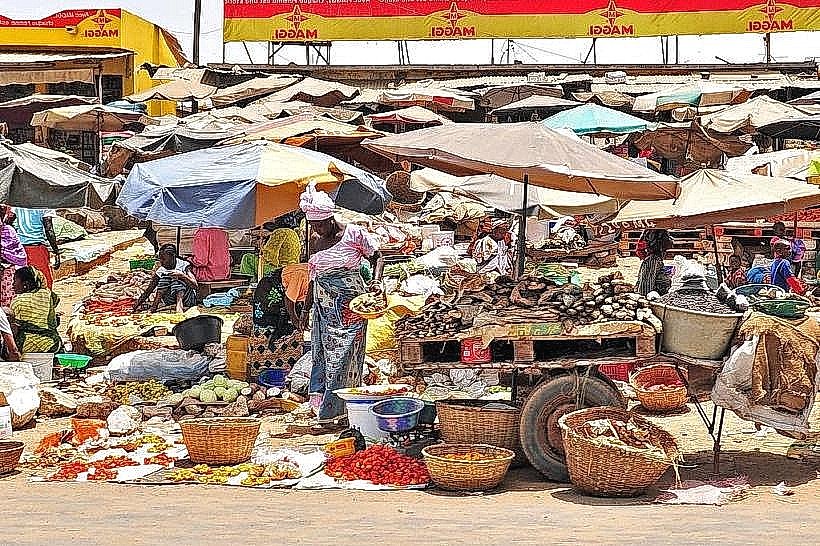
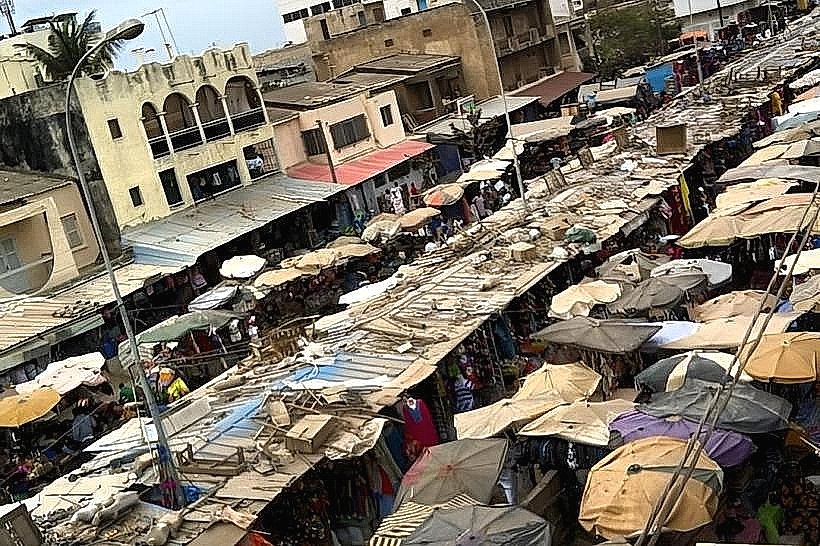
Sandaga Market - 0.7km West