Landmark: Navrongo Mud Cathedral
City: Bolgatanga
Country: Ghana
Continent: Africa
Navrongo Mud Cathedral, Bolgatanga, Ghana, Africa
The Navrongo Our Lady of 7 Sorrows, commonly known as the Navrongo Mud Cathedral, is a prominent historical place of worship located in Navrongo, within the Kassena-Nankana Municipal District of the Upper East Region, Ghana. The structure is situated approximately 2 kilometers north of the Navrongo town center and stands as a significant example of the fusion between European architectural form and indigenous building techniques.
Visual Characteristics
The cathedral is constructed primarily of sun-dried mud bricks (adobe) and plastered with a mixture of mud, cow dung, and vegetable dyes. The exterior walls are massive and reinforced with thick buttresses, while the interior is characterized by expansive wooden beams and pillars. The inner walls are extensively decorated with traditional Kassena mural art, featuring geometric patterns and symbolic animal motifs in black, white, and red earth tones.
Location & Access Logistics
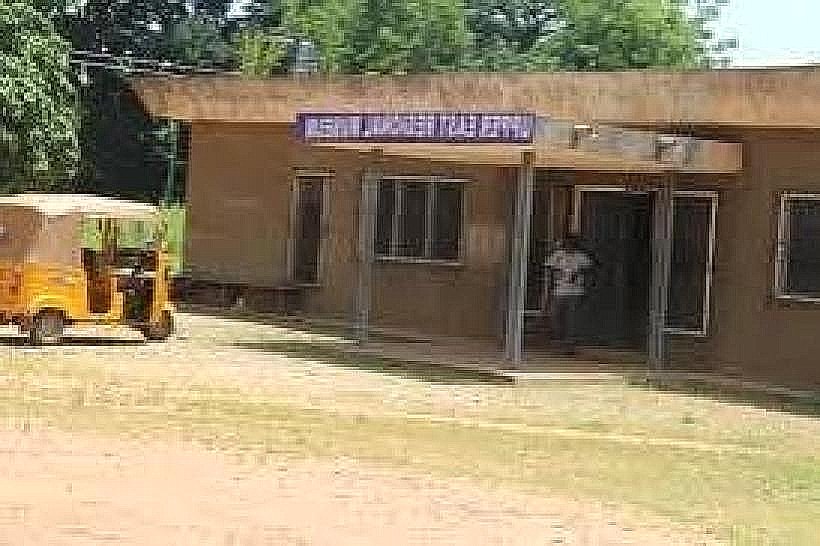
The site is located on the main road leading toward the Burkina Faso border, accessible via the N10 highway from Bolgatanga. Visitors can reach the cathedral using local taxis or motorized tricycles (Pragyia) from the Navrongo central market. A designated dirt parking area is available at the front of the cathedral grounds, which are enclosed by a low perimeter wall.
Historical & Ecological Origin
Construction began in 1906 under the direction of the White Fathers (Missionaries of Africa), making it one of the oldest Catholic churches in northern Ghana. The building was completed in 1920 using local labor and materials, specifically adapted to the arid Sahelian climate of the Guinea Savanna zone to provide natural thermal regulation.
Key Highlights & Activities
Guided tours are available through the parish office, detailing the history of the mission and the symbolic meaning of the interior murals. The cathedral remains an active place of worship with daily and Sunday morning Mass services open to the public. Visitors can also explore the historic bell tower and the adjacent grotto located within the churchyard.
Infrastructure & Amenities
The cathedral grounds include a parish office, a small bookstore, and basic restroom facilities. The thick mud walls provide a significantly cooler interior temperature compared to the external environment. Cellular signal (4G) is stable throughout the area, and several small shops and street food vendors are located directly across from the main entrance.
Best Time to Visit
The optimal time for photography is between 08:00 and 10:00, when the morning sun highlights the textures and earth tones of the plastered exterior. To observe the full cultural impact, visiting during Sunday morning service (07:00–10:00) is recommended. The dry season (November to March) ensures the best road conditions and brightest natural lighting.
Facts & Legends
A verified historical oddity is that the cathedral was built without the use of cement or iron rods, relying entirely on the structural integrity of mud and local hardwood. Local lore suggests that the intricate interior paintings were executed entirely by local women using natural pigments, a tradition that has been maintained through periodic restorations to preserve the spiritual and cultural heritage of the community.
Nearby Landmarks
Navrongo Health Research Centre: 1.5km South
C.K. Tedam University of Technology and Applied Sciences: 2.8km East
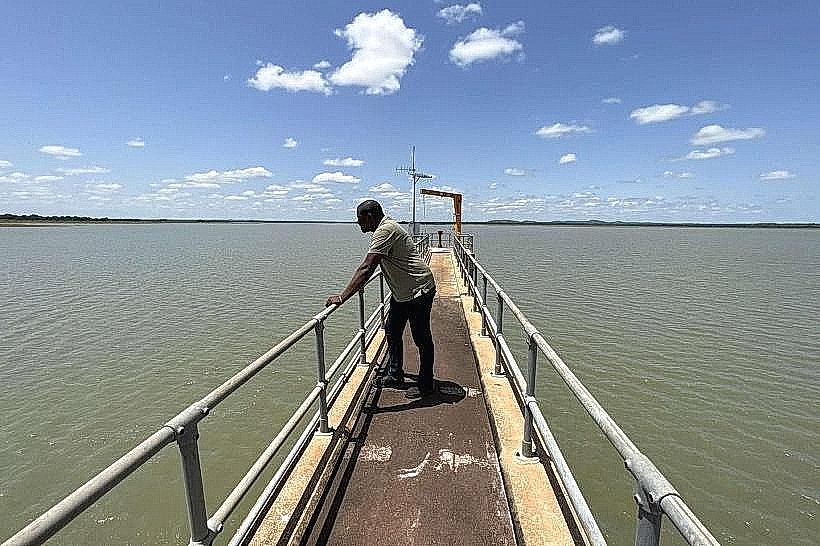
Tono Dam: 8.5km Southwest
Paga Crocodile Pond: 9.2km North