Landmark: Pikworo Slave Camp
City: Bolgatanga
Country: Ghana
Continent: Africa
Pikworo Slave Camp, Bolgatanga, Ghana, Africa
Pikworo Slave Camp is a historical site located in Paga, within the Kassena-Nankana West District of the Upper East Region, Ghana. The camp is situated approximately 3 kilometers west of the Paga town center and served as a transit center where enslaved people were held before being marched 600 kilometers south to the coast.
Visual Characteristics
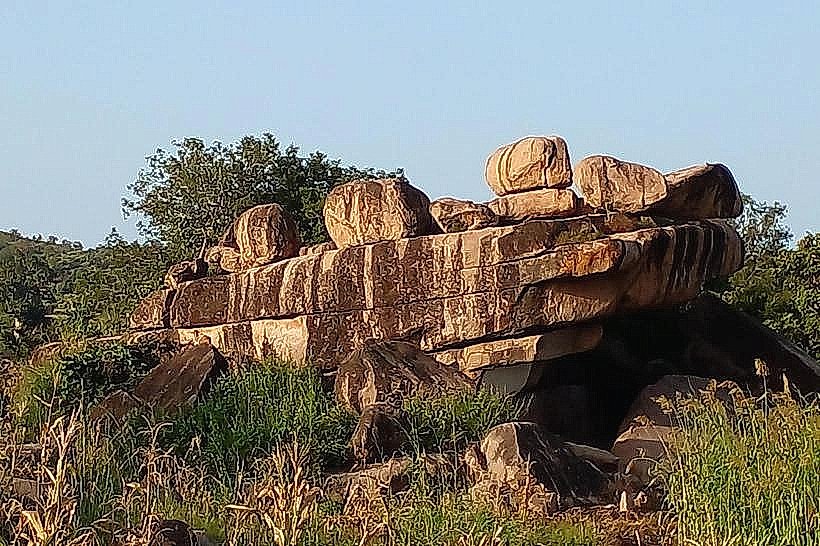
The site is set within a rocky landscape dominated by large granite boulders and sun-baked earth. It features natural stone formations that were repurposed for daily use, including "stone bowls" hollowed out of the rock for communal eating and a flat rock surface used as a lookout post. The surrounding vegetation is typical of the Guinea savanna, consisting of sparse grass and hardy trees like the baobab.
Location & Access Logistics
The camp is accessed via a dirt road branching west from the main N10 highway in Paga. It is reachable by local taxis or motorized tricycles (Pragyia) from the Paga border post or the central market. A small, unpaved parking area is located near the entrance of the historical site, which is managed by local community guides.
Historical & Ecological Origin
Established in 1706, the camp was a primary collection point for the trans-Atlantic slave trade in northern Ghana. It was strategically located near the border to intercept people being moved from the Sahelian regions. The camp remained active until the late 19th century when the trade was officially suppressed in the region.
Key Highlights & Activities
Guided tours lead visitors through the different functional areas of the camp, including the "Eating Stones" and the punishment rocks. The "Watchtower" provides a panoramic view of the surrounding plains, illustrating how guards monitored the landscape for escapees or approaching traders. A small memorial grove is located on-site for reflection and commemoration.
Infrastructure & Amenities
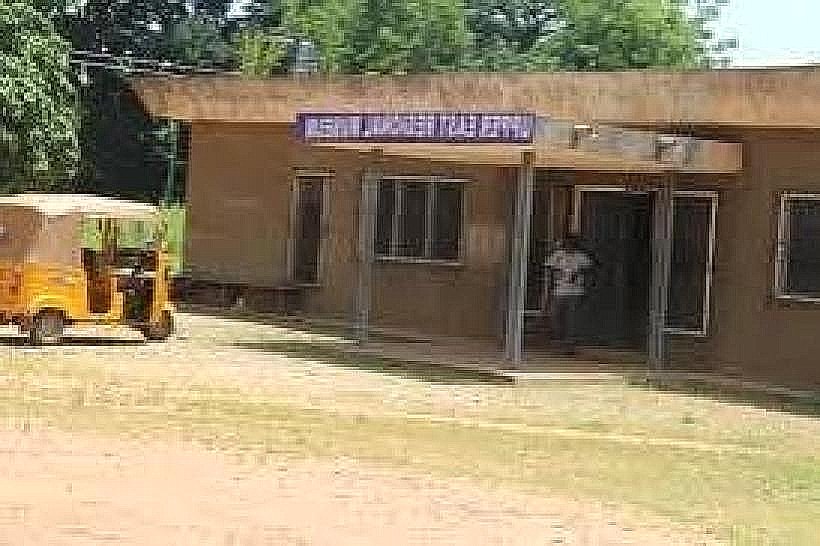
The site features a small visitor reception hut where tour fees are processed and historical overviews are provided. Shade is provided primarily by large baobab trees and rock overhangs, as there are few permanent modern structures. Cellular signal (4G) is generally stable due to the proximity to Paga town, and basic restroom facilities are available at the entrance.
Best Time to Visit
The dry season (November to March) is the best time for visiting to ensure the unpaved access roads are easily navigable. For photography, the late afternoon (16:00–17:30) provides optimal lighting, highlighting the textures of the granite rocks and the vastness of the savanna. The site is open daily from 08:00 to 17:00.
Facts & Legends
A poignant feature of the site is the "Entertainment Rock," where enslaved people were forced to drum and dance on the stone to provide amusement for the guards; deep indentations from rhythmic striking are still visible in the rock today. A verified historical oddity is the presence of a "Punishment Rock" where those who resisted were chained in direct sunlight for days as a deterrent to others.
Nearby Landmarks
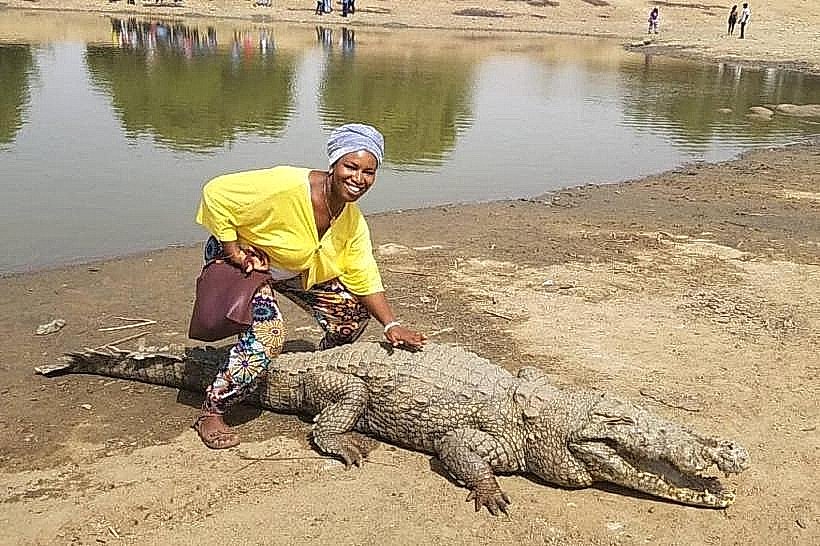
Paga Crocodile Pond: 2.8km East
Paga Border Post (Burkina Faso Border): 3.5km Northeast
Paga Zenga Crocodile Pond: 2.2km East
Navrongo Mud Cathedral: 9.5km South