Landmark: Paga Crocodile Pond
City: Bolgatanga
Country: Ghana
Continent: Africa
Paga Crocodile Pond, Bolgatanga, Ghana, Africa
Paga Crocodile Pond is a sacred aquatic sanctuary located in the town of Paga within the Kassena-Nankana West District of the Upper East Region, Ghana. The site is situated approximately 44 kilometers north of Bolgatanga, directly on the international border with Burkina Faso.
Visual Characteristics
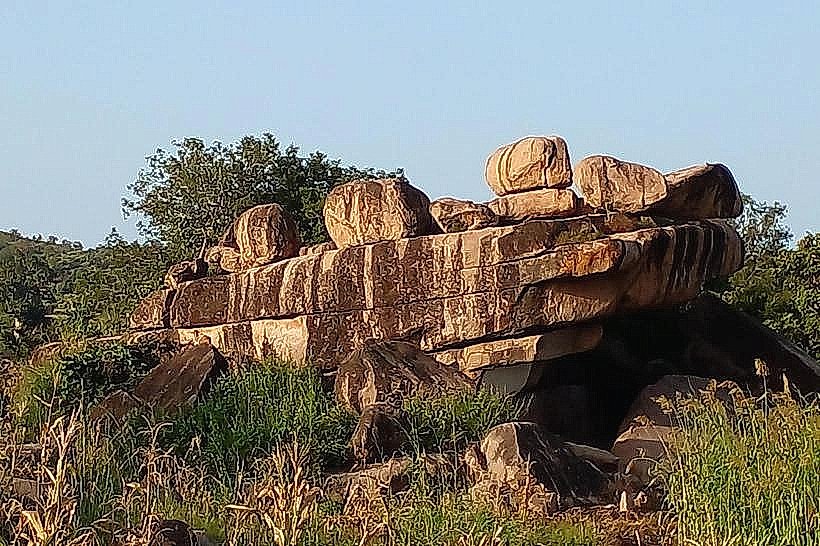
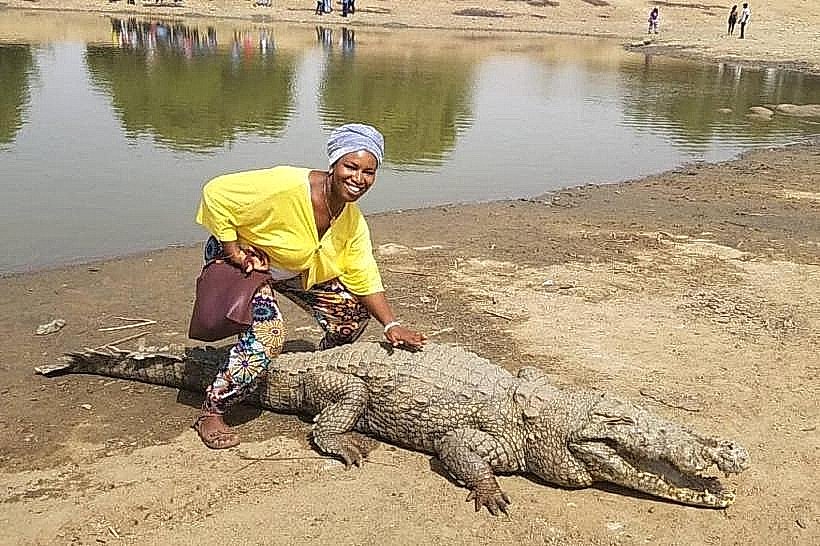
The pond is a shallow, murky body of fresh water surrounded by sparse savanna grass and clusters of neem and baobab trees. The perimeter is composed of sun-baked mud and flat granite rocks where the West African crocodiles (Crocodylus suchus) bask. The water maintains a brownish-grey color due to high silt content and organic sediment.
Location & Access Logistics
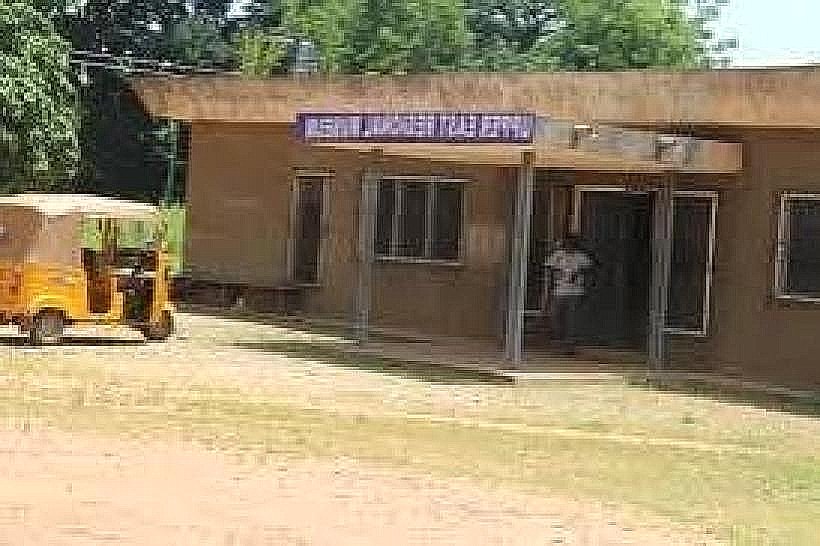
Access is via the N10 highway, which terminates at the Paga border post; the main pond (Zenga Pond) is located 1 kilometer south of the frontier. Regular commercial minibuses (tro-tros) and taxis operate between the Bolgatanga central terminal and Paga. A paved parking area and a visitor reception building are situated at the primary entrance off the main road.
Historical & Ecological Origin
The pond is a natural depression in the Guinea savanna landscape that collects rainwater and runoff. Local oral tradition credits the founder of Paga, Nave, with being saved by a crocodile during a period of extreme thirst, leading to a 600-year-old taboo against harming the reptiles. Ecologically, the crocodiles are wild but have become habituated to human presence over centuries of cohabitation.
Key Highlights & Activities
Guided interactions allow visitors to sit near or touch the habituated crocodiles under the supervision of local keepers. Photography is the primary activity, often involving the traditional offering of a live fowl to lure the animals out of the water. Visitors can also tour the nearby Paga Zenga pond and the "Slave Camp" ruins located within a 3-kilometer radius.
Infrastructure & Amenities
The site features a permanent ticketing office, a small museum, and public restrooms. Concrete benches and thatched-roof summer huts provide shade for visitors. 4G cellular signal is strong throughout the area, and several local eateries and beverage vendors are located at the entrance and along the highway leading to the border.
Best Time to Visit
The dry season from November to March is the optimal time for viewing, as lower water levels force the crocodiles onto the banks to bask. Photography is best between 09:00 and 11:00 or 15:30 and 17:30 when the animals are most active and the sunlight is less harsh. During the rainy season (June–September), the animals often remain submerged or hidden in tall grass.
Facts & Legends
A local belief dictates that the life of every citizen in Paga is spiritually linked to a specific crocodile in the pond; the death of a prominent elder is said to coincide with the death of one of the largest crocodiles. A verified historical oddity is that despite the presence of over 100 crocodiles, local children traditionally swim in the pond without incident.
Nearby Landmarks
Paga Border Post (Burkina Faso Border): 1.2km North
Pikworo Slave Camp: 2.8km West
Paga Zenga Crocodile Pond: 1.5km Northwest
Paga Senior High School: 0.9km South