Landmark: Sirigu Pottery and Art Village
City: Bolgatanga
Country: Ghana
Continent: Africa
Sirigu Pottery and Art Village, Bolgatanga, Ghana, Africa
Sirigu Pottery and Art Village is a community-led cultural destination located in the Kassena-Nankana West District of the Upper East Region, Ghana. The site is situated approximately 30 kilometers north of Bolgatanga and is recognized as a center for the preservation of indigenous northern Ghanaian arts and architectural decoration.
Visual Characteristics
The village is defined by traditional homesteads featuring complex geometric wall paintings in red, black, and white natural pigments. These patterns, known as "batik" or "canvas" designs, are applied to the exterior and interior mud walls of circular and rectangular buildings. The landscape is characterized by open savanna, scattered baobab trees, and dedicated open-air pottery courtyards where clay vessels are fired in traditional kilns.
Location & Access Logistics
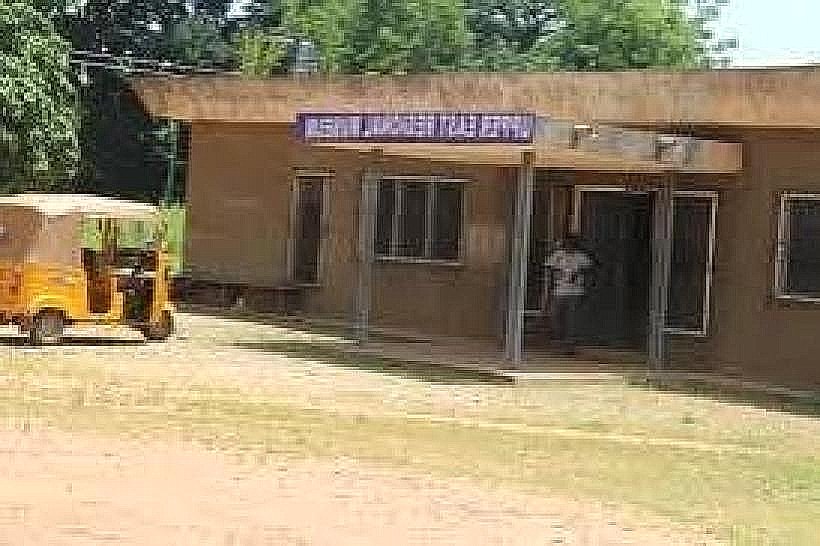
Access is via the Bolgatanga-Navrongo highway (N10), followed by a 15-kilometer northbound turn-off toward the Sirigu community. Visitors can utilize local motorized tricycles (Pragyia) or hired taxis from Bolgatanga for the 45-minute transit. A central dirt parking area is located at the SWOPA (Sirigu Women’s Organization for Pottery and Art) visitor center, which serves as the primary entry point for guided tours.
Historical & Ecological Origin
The village rose to international prominence in 1997 with the formation of SWOPA, founded by Melanie Kasise to prevent the disappearance of traditional mural art and pottery. The artistic techniques date back centuries within the local lineage, utilizing locally sourced clay from nearby riverbeds and pigments derived from crushed stones and volcanic ash.
Key Highlights & Activities
Visitors can participate in hands-on pottery workshops and mural painting sessions led by local women artisans. Guided "Architecture Tours" explain the symbolic meanings behind the geometric wall patterns, which represent local proverbs and social status. The village gallery displays and sells finished works, including traditional pots, woven baskets, and canvas paintings.
Infrastructure & Amenities
The SWOPA center includes a receptive facility with a gift shop, a small museum, and public restrooms. Several traditional-style guest huts are available for overnight stays, providing basic but functional accommodation. Cellular signal (4G) is stable within the main village area, and shaded seating is provided by large neem trees and thatched verandas.
Best Time to Visit
The dry season (November to March) is the ideal time to visit, as this is when the women traditionally repaint the house murals following the end of the rains. For photography, 08:00 to 10:00 offers the clearest light to capture the contrast of the wall designs. During the rainy season, some unpaved sections of the access road can become difficult to navigate.
Facts & Legends
A unique local oddity is that the traditional wall paintings are exclusively the domain of women, with the skill passed down from mothers to daughters as a rite of passage. A specific "secret" tip is to look for the "broken pot" motif in the murals, which is often used to symbolize the fragility of life and the importance of community support.
Nearby Landmarks
Navrongo Mud Cathedral: 18.5km Southwest
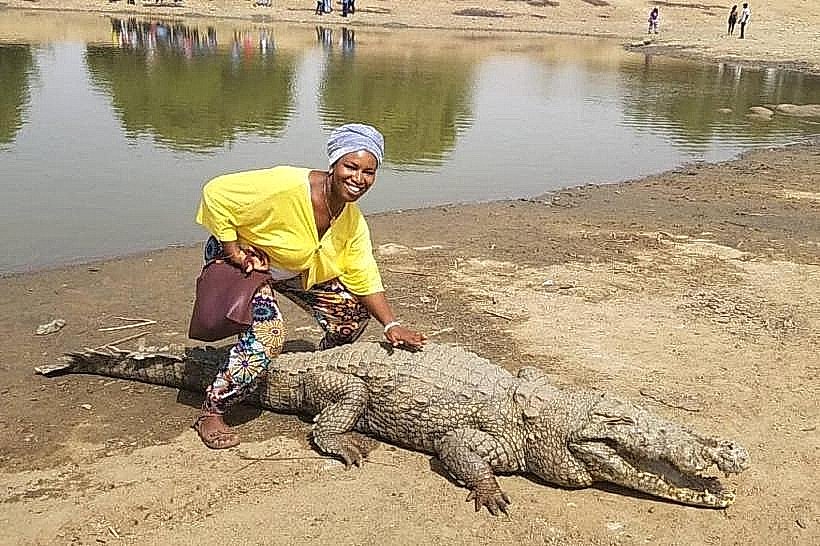
Paga Crocodile Pond: 22.0km Northwest
Upper East Regional Museum: 28.5km South
Bolgatanga Central Market: 29.2km South