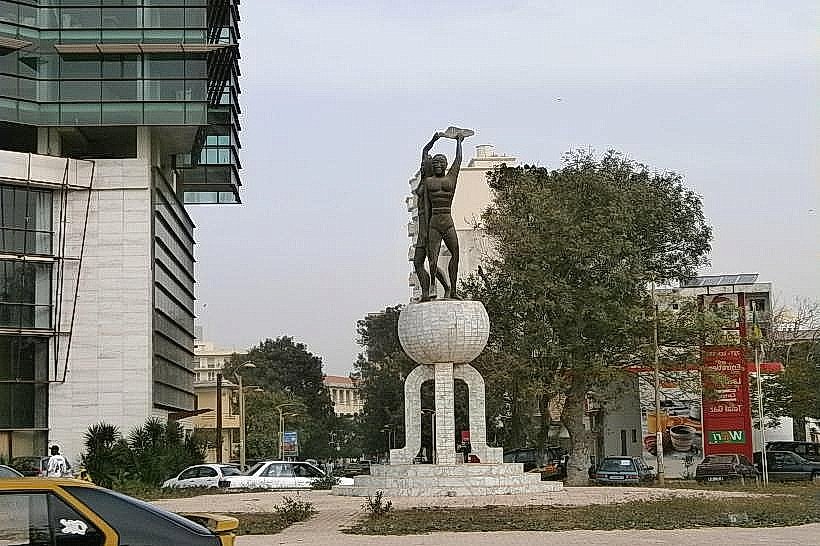
Landmark: Place Soweto
City: Dakar
Country: Senegal
Continent: Africa
Place Soweto, Dakar, Senegal, Africa
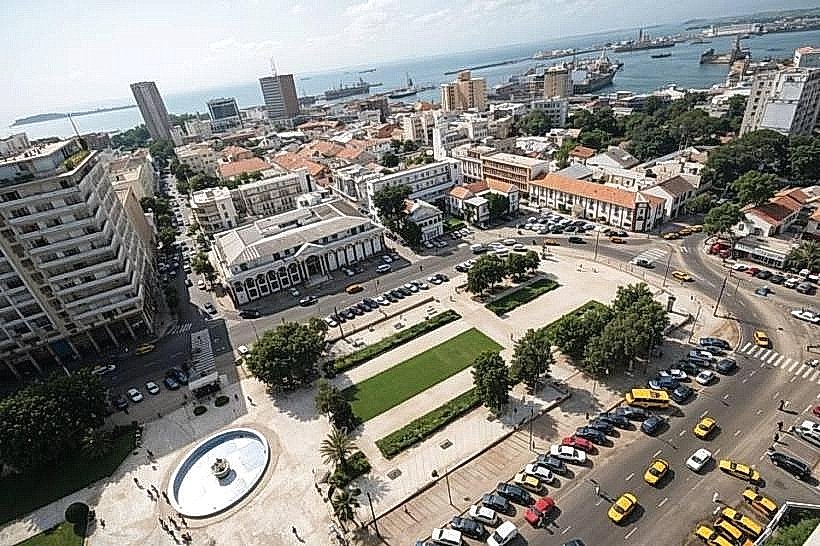
Place Soweto is a prominent public square located in the Plateau district of Dakar, Senegal. It serves as a major civic hub, situated at the junction of several key administrative and cultural institutions.
Visual Characteristics
The square is a large, paved open space characterized by its expansive concrete plaza and central monuments. The architecture of the surrounding buildings represents a mix of French colonial styles and modern institutional designs, often featuring white or ochre masonry. The area is largely devoid of dense vegetation, though it is bordered by several mature trees and manicured green spaces belonging to the adjacent museums and government buildings.
Location & Access Logistics
The site is positioned at the intersection of Avenue Nelson Mandela and Rue de l'Ex-Lycée Libermann, approximately 1.2km north of the Presidential Palace. It is easily accessible via the Dakar Dem Dikk bus network, with multiple lines stopping at the nearby "Soweto" or "Musée" stations. Taxis frequently traverse the area and can provide direct drop-offs at the square's perimeter. There is no dedicated public parking lot, but limited street parking is available in the surrounding Plateau streets.
Historical & Ecological Origin
The square was named to commemorate the 1976 Soweto Uprising in South Africa, reflecting Senegal's historical role in the Pan-African movement and its solidarity against apartheid. The area occupies flat, urbanized terrain that was developed during the colonial era to house the central administrative functions of French West Africa. It has since evolved into a primary site for civic assembly and national remembrance.
Key Highlights & Activities
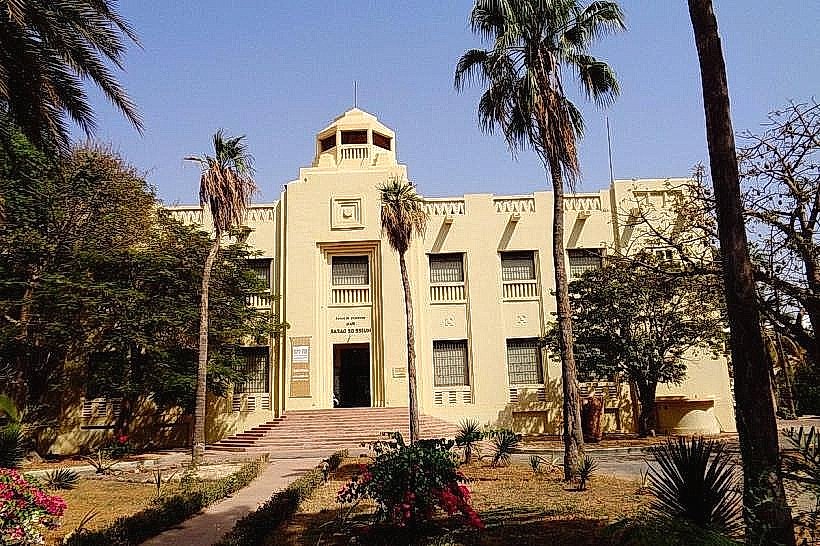
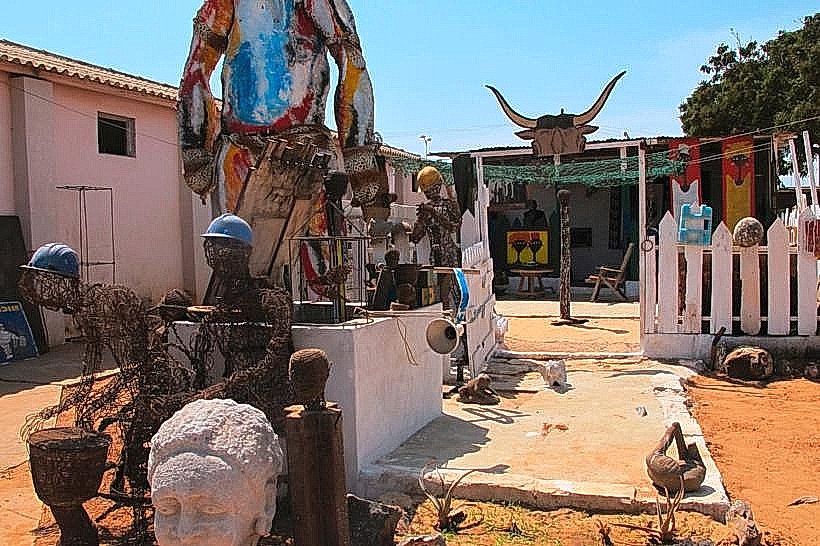
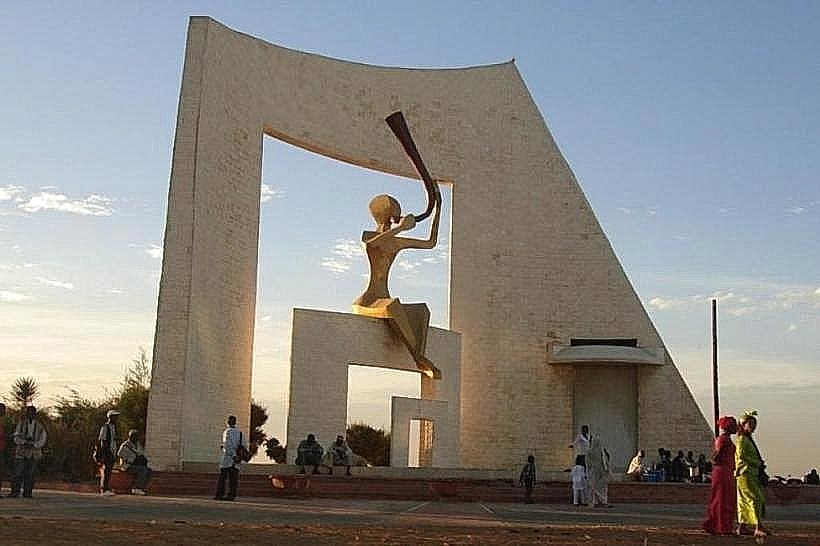
The square is a central point for visiting several major cultural institutions, most notably the IFAN Museum of African Arts, which borders the plaza. Visitors can observe the various commemorative plaques and public art installations dedicated to African liberation struggles. The space is frequently used for official state ceremonies, military parades, and public demonstrations. Photography of the surrounding architecture and monuments is common, though sensitivity is required near the adjacent government buildings.
Infrastructure & Amenities
Infrastructure is robust, featuring paved walkways, street lighting, and integrated drainage systems. There are no public restrooms directly on the square, but facilities are available for visitors inside the IFAN Museum or nearby commercial establishments. 4G and 5G cellular coverage is consistent and strong throughout the district. Shade is minimal on the open plaza, with the only protection provided by the colonnades of surrounding buildings and a few perimeter trees.
Best Time to Visit
The square is an open public space accessible 24 hours a day. For architectural photography, the mid-morning (09:00 to 11:00) provides clear lighting on the museum facades and monuments. The area is most active during standard business hours (08:00 to 18:00), when the nearby museums and government offices are operational. The dry season (December to May) is the most favorable time for walking through the district due to the temperate climate.
Facts & Legends
A verified historical fact is that the square has served as the starting or ending point for many of Senegal's most significant civil rights marches and political rallies since independence. Local lore often highlights the square as a "sacred space for democracy," where the voices of the citizens are traditionally brought to the doorstep of the National Assembly, which is located just a short walk away.
Nearby Landmarks
IFAN Museum of African Arts: 0.1km East
National Assembly of Senegal: 0.3km North
Dakar Grand Mosque: 0.9km Northwest
Place de l'Indépendance: 0.8km South
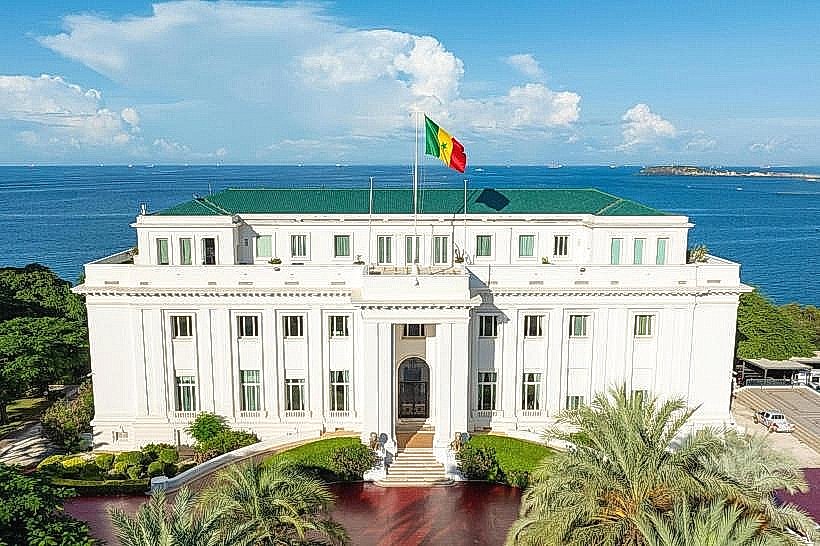
Presidential Palace: 1.2km South