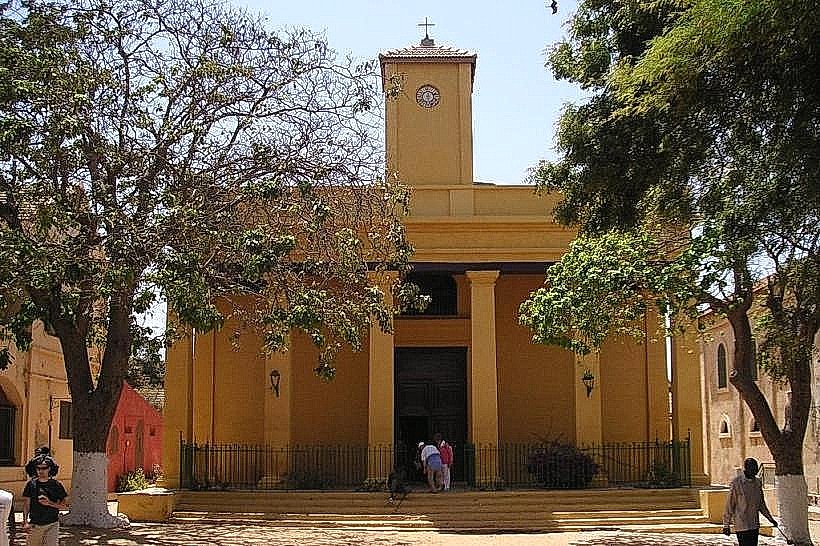
Landmark: Saint Charles Borromeo Church
City: Dakar
Country: Senegal
Continent: Africa
Saint Charles Borromeo Church, Dakar, Senegal, Africa
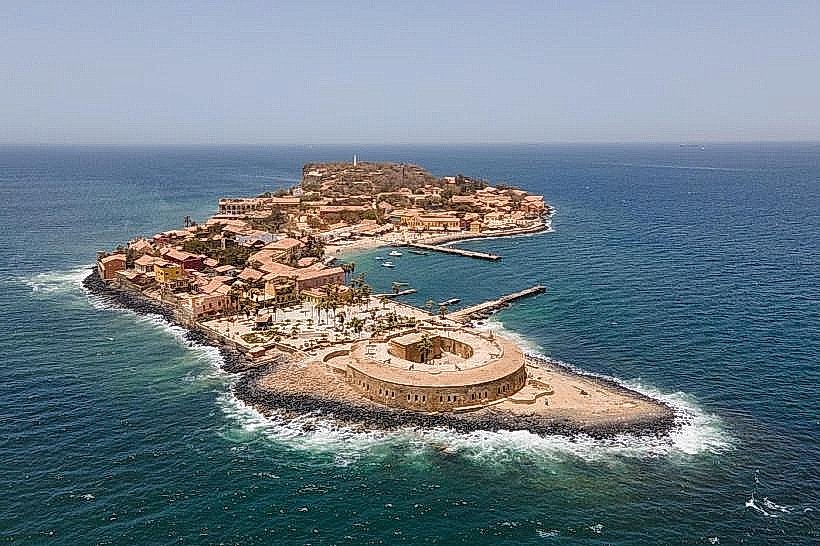
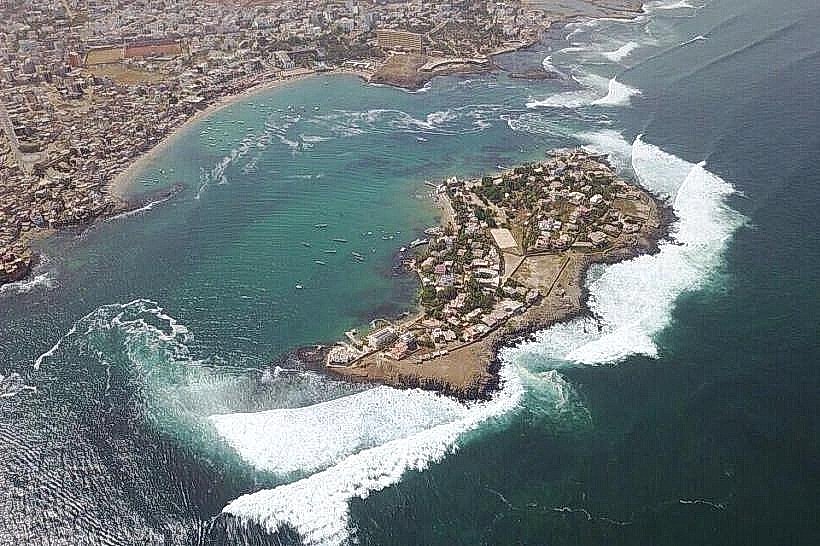
The Saint Charles Borromeo Church is a historic Roman Catholic parish located on the northern side of Gorée Island, Dakar. Built in 1830, it serves as the primary religious center for the island’s Christian community and is a prominent example of colonial ecclesiastical architecture.
Visual Characteristics
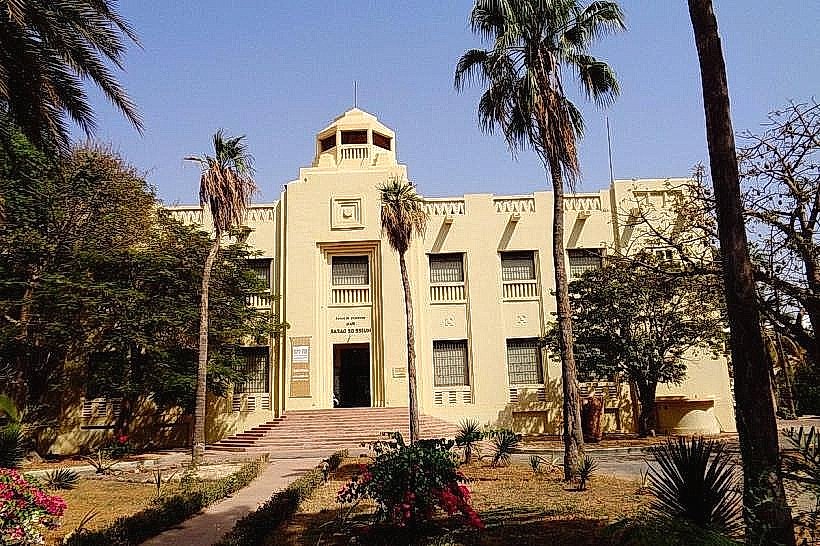
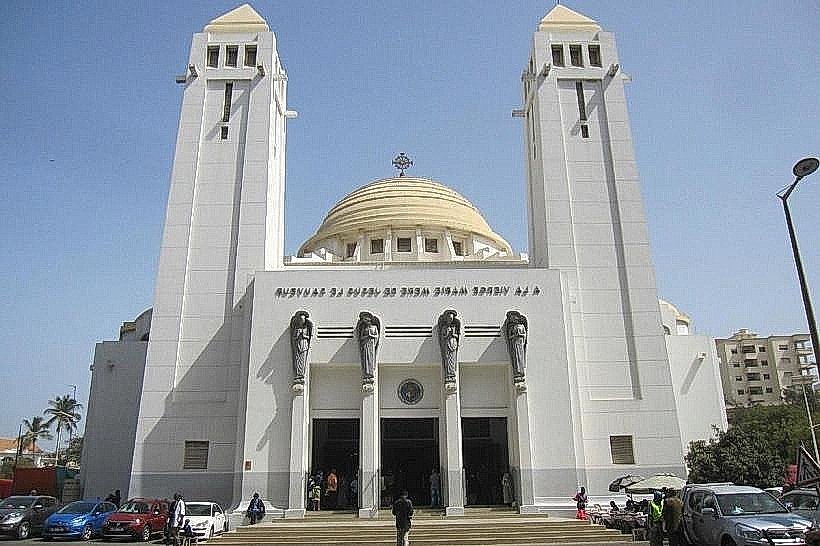
The church is a rectangular masonry structure characterized by its distinct pale yellow exterior and white architectural trim. The facade features a symmetrical design with a central wooden portal and a small, square bell tower capped by a cross. The interior is defined by a wooden vaulted ceiling, arched windows that allow for natural ventilation, and a series of wrought-iron chandeliers. The altar area is modest, flanked by religious statuary and simple wooden pews that accommodate approximately 200 congregants.
Location & Access Logistics
The site is situated on Rue de l'Eglise, approximately 0.2km north of the Gorée ferry pier. Access to the island is via a 20-minute ferry ride from the Dakar Railway Station pier; once on the island, the church is reached via a 5-minute walk along the stone-paved Rue Saint-Germain. There are no motorized vehicles on Gorée, so all access is pedestrian. The ferry (Liaison Maritime Dakar-Gorée) operates on a fixed schedule roughly every 90 minutes.
Historical & Ecological Origin
The current structure was completed in 1830 to replace an earlier 18th-century chapel that had fallen into disrepair. It was constructed using local basalt stone and imported lime, reflecting the architectural influence of the French Restoration period. The church was dedicated to Saint Charles Borromeo, the patron saint of bishops and catechists, to serve the growing population of "Signares" (wealthy Afro-European women) and colonial administrators on the island.
Key Highlights & Activities
The primary activity for visitors is observing the colonial-era architecture and the interior religious art. Mass is held regularly, with a notable choir performance during Sunday morning services (usually at 10:00). Visitors can walk through the small courtyard and view the historic bell housed in the tower. Photography of the exterior is permitted, while interior photography is generally restricted during active religious services.
Infrastructure & Amenities
The church is a functional place of worship with minimal tourist infrastructure. There are no public restrooms inside the church; facilities are available at nearby restaurants and the harbor area. 4G and 5G cellular coverage is strong and consistent throughout the site. Shade is provided by the building's thick masonry walls and the narrow adjacent streets. There are no food vendors on the church grounds, but several cafes are located within 100 meters along the waterfront.
Best Time to Visit
The exterior is best photographed in the morning (08:30 to 10:30) when the sun illuminates the yellow facade. The church is typically open to the public during daylight hours on weekdays, provided no private ceremonies are occurring. Sunday morning is the most active time for cultural observation. The dry season (December to May) offers the most comfortable temperatures for exploring the unshaded streets leading to the site.
Facts & Legends
A verified historical oddity is that the church's original bell was cast in France and transported by sea, but local tradition claims it was once hidden in the sand to protect it during British naval raids. A specific tip for visitors is to look for the memorial plaques inside, which document the island's prominent families and offer a genealogical record of the Afro-European elite from the 19th century.
Nearby Landmarks
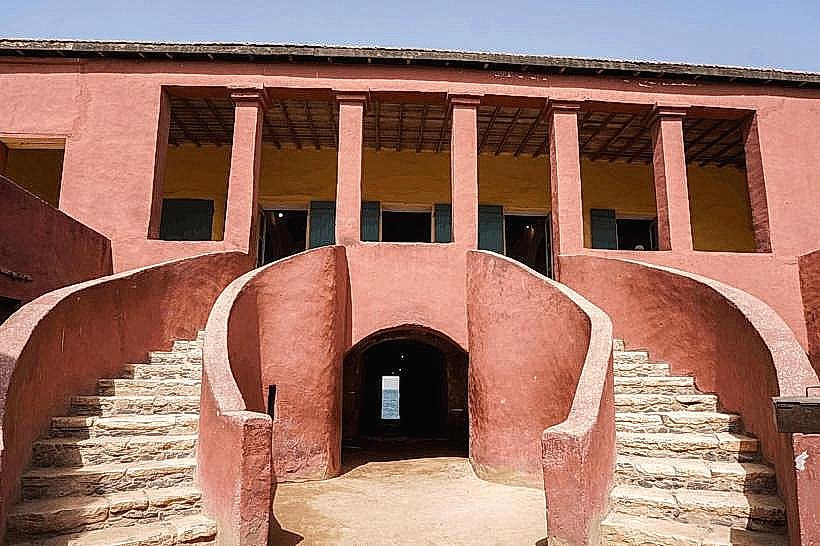
House of Slaves: 0.2km South
Gorée Police Station: 0.1km East
Place du Gouvernement: 0.1km West
IFAN Historical Museum: 0.3km West
Saint-Germain Street: 0.1km South