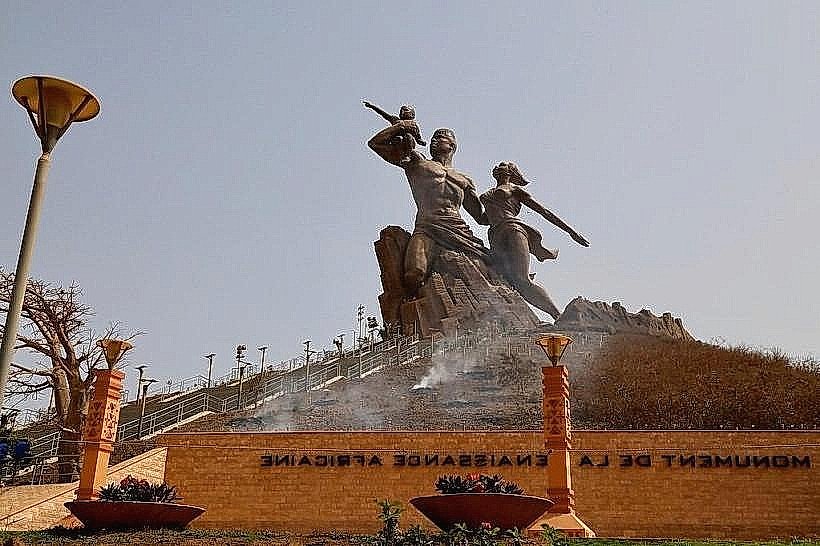
Landmark: Statue of Emancipation
City: Dakar
Country: Senegal
Continent: Africa
Statue of Emancipation, Dakar, Senegal, Africa
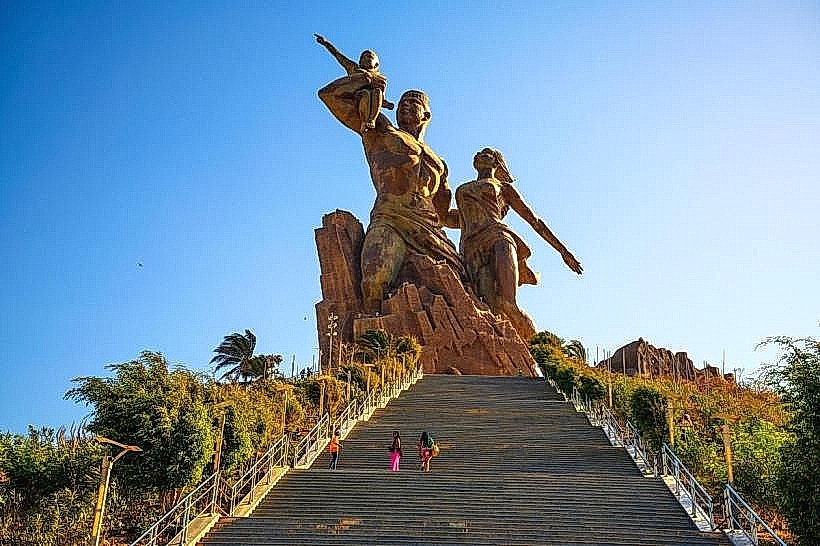
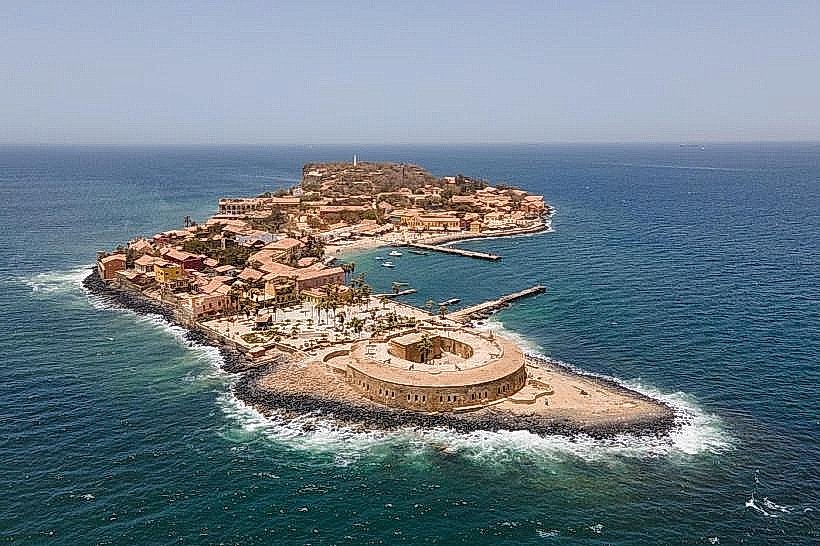
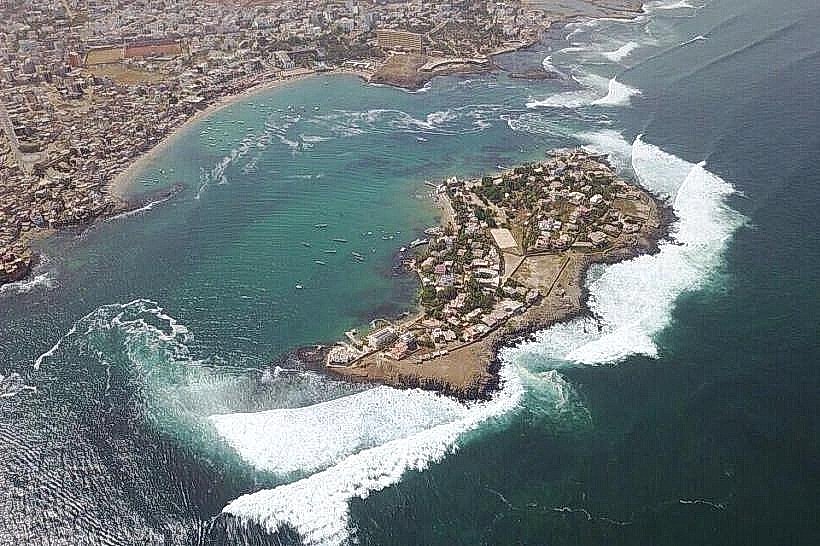
The Statue of Emancipation (Statue de l’Émancipation) is a significant bronze monument located on the historic Île de Gorée, off the coast of Dakar, Senegal. It serves as a powerful commemorative symbol of the abolition of slavery and the liberation of the African people.
Visual Characteristics
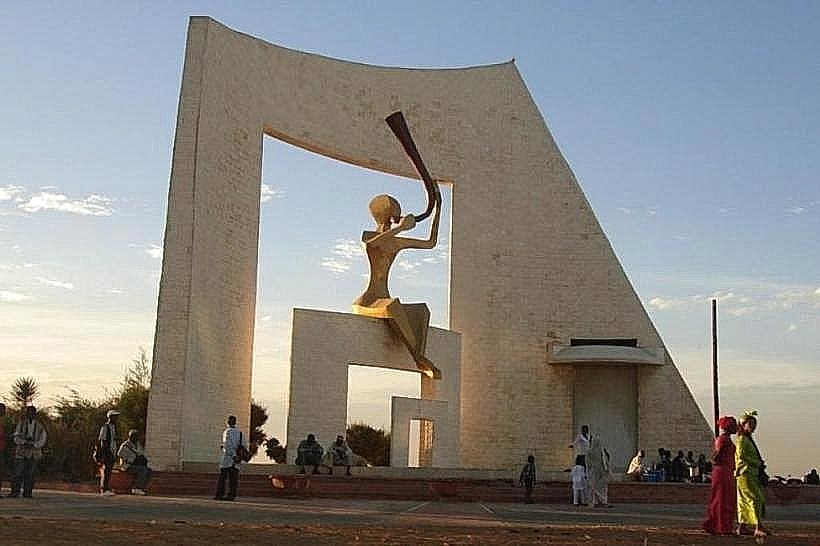
The monument features a bronze sculpture of a man and a woman standing together on a stone pedestal. The man is depicted breaking his chains, with one arm raised in a gesture of triumph, while the woman stands beside him in a supportive and resilient pose. The statue is approximately three meters tall and overlooks a public square near the island's administrative and residential core, characterized by its reddish-brown patina that contrasts with the pastel-colored colonial architecture of the surrounding buildings.
Location & Access Logistics
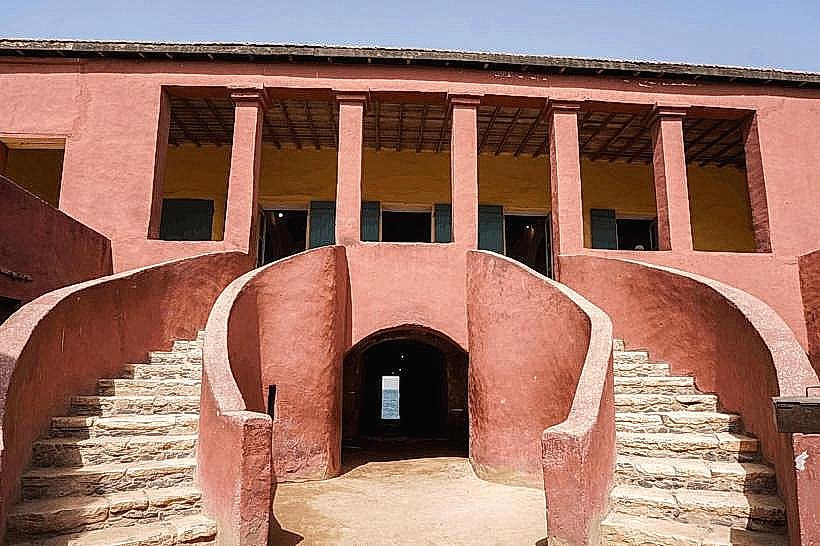
The statue is situated in the main square of Île de Gorée, a short distance from the ferry terminal and the House of Slaves. To reach the site, visitors must take the 20-minute Dakar-Gorée ferry from the Dakar Railway Station pier. Once on the island, the statue is accessible via a three-minute walk through the pedestrian-only sand and stone streets. No vehicles are permitted on the island, making it entirely accessible to foot traffic.
Historical & Ecological Origin
The statue was a gift from the people of Guadeloupe to the people of Senegal, inaugurated in 2002 to mark the 154th anniversary of the 1848 decree abolishing slavery in French colonies. It was placed on Gorée due to the island’s historical role as a significant "memory site" for the Atlantic slave trade. The monument sits on the volcanic basalt and red sandstone terrain that forms the geological foundation of the island.
Key Highlights & Activities
As a central point of reflection, the statue is a primary stop for educational and commemorative tours of the island.
Photography – The monument is a popular site for capturing the symbolic "breaking of chains" against the backdrop of the Atlantic Ocean.
Commemorative Ceremonies – The square hosts official events on human rights anniversaries and visits from international heads of state.
Cultural Context – The statue provides a thematic link between the tragic history of the House of Slaves and the modern era of African sovereignty.
Infrastructure & Amenities
The statue is located in a well-maintained public plaza with stone benches for rest and contemplation.
4G and 5G cellular coverage is reliable across the island.
Public restrooms and small cafes are located within a 50-meter radius in the surrounding colonial buildings.
Shade is provided by large baobab and bougainvillea trees that border the square.
Information plaques in French and English are occasionally placed near the base to explain the monument's provenance.
Best Time to Visit
The best time for photography is during the morning hours (09:00 to 11:00) when the sunlight hits the front of the bronze figures. Visiting on weekdays is recommended to avoid the heavy crowds that arrive via ferry on Saturday and Sunday. The site is open 24 hours a day, though the ferry schedule limits access to the island between 06:00 and midnight.
Facts & Legends
The statue is often referred to by locals as the "Guadeloupe Gift." It is widely believed by many visitors that touching the broken links of the chain brings a sense of spiritual connection to the ancestors who passed through the island. The monument is frequently cited as a "sister statue" to similar emancipation memorials found in the Caribbean, reinforcing the historical links of the African Diaspora.
Nearby Landmarks
House of Slaves (Maison des Esclaves) – 0.2km South
Gorée Maritime Museum – 0.1km East
Saint Charles Church – 0.15km West
Le Castel (The Fortress) – 0.4km South