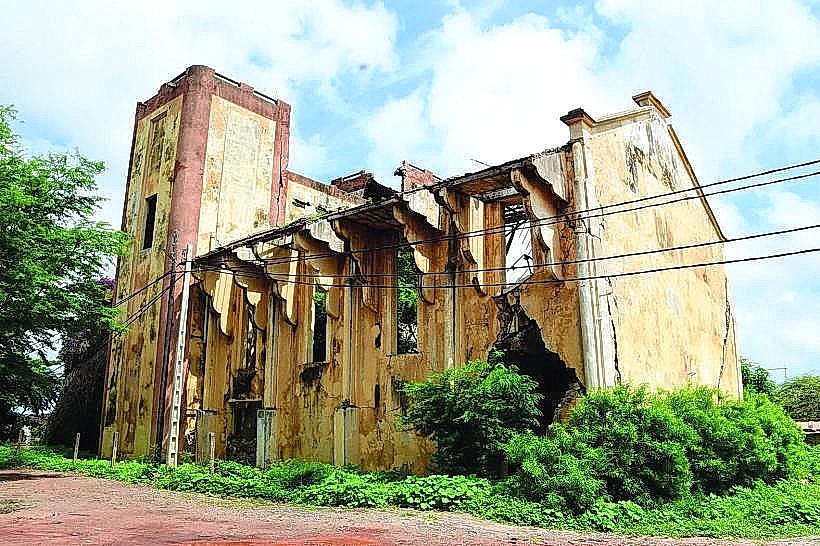
Landmark: William Ponty School Building
City: Dakar
Country: Senegal
Continent: Africa
William Ponty School Building, Dakar, Senegal, Africa
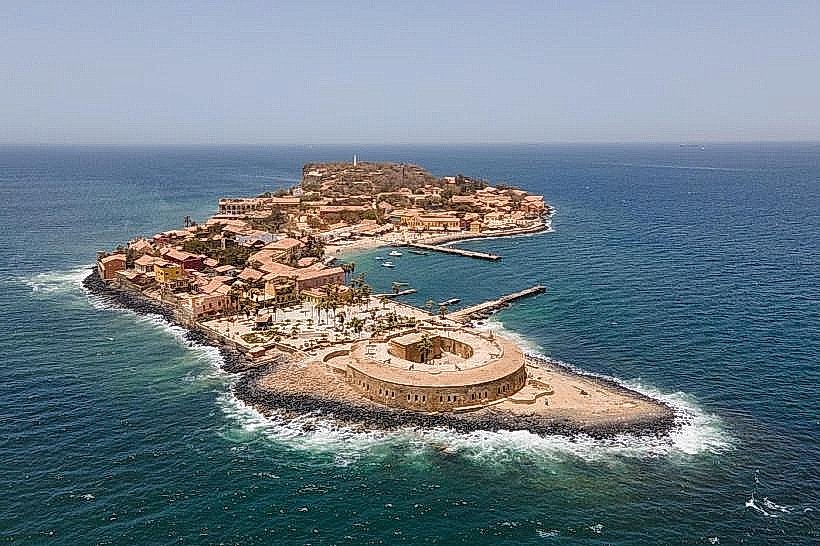
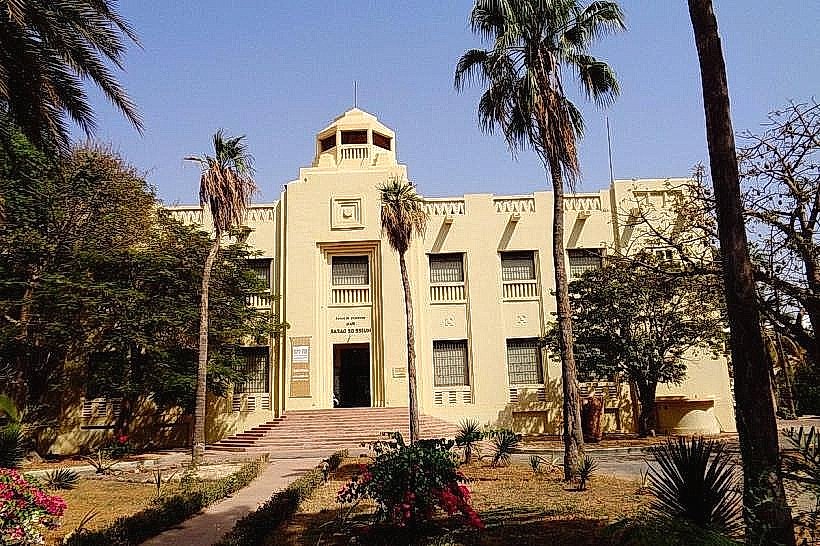
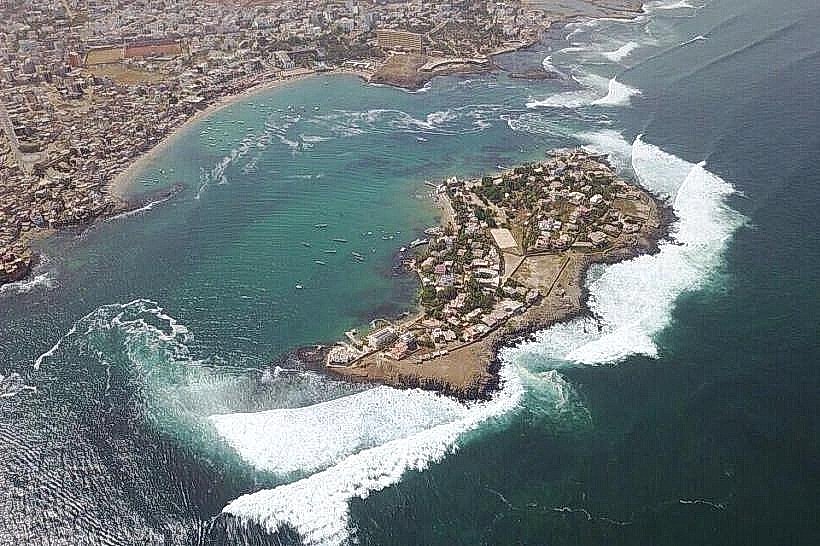
The William Ponty School Building (Ancienne École William Ponty) is a historic colonial-era structure located on the northern side of Gorée Island, Dakar. From 1913 to 1937, it served as the premier teacher-training college for French West Africa, producing many of the continent’s post-independence leaders.
Visual Characteristics
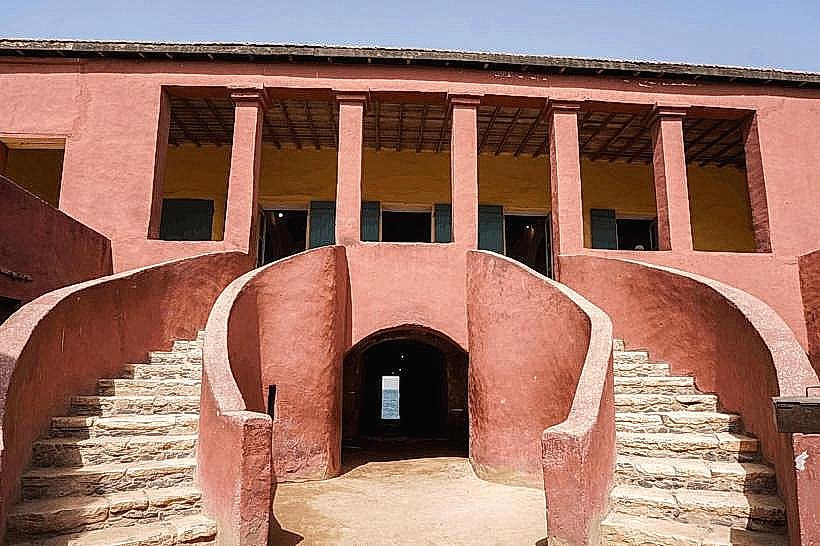
The building is a grand, two-story masonry structure featuring a symmetrical U-shaped layout centered around an interior courtyard. It is painted in the characteristic Gorée palette of ochre-yellow walls with white architectural trim and dark wooden shutters. The architecture is defined by long, shaded verandas supported by classical columns and high-vaulted ceilings designed for natural ventilation. The surrounding grounds consist of sandy paths and sparse coastal vegetation typical of the island’s northern administrative district.
Location & Access Logistics
The site is situated on Rue Saint-Germain, approximately 0.3km north of the Gorée ferry pier. Access to the island is via a 20-minute ferry ride from the Dakar Railway Station pier; once on the island, the building is reached by a 5-minute walk along the stone-paved coastal roads. As Gorée is a pedestrian-only island, no motorized vehicles are permitted. The ferry (Liaison Maritime Dakar-Gorée) operates on a fixed rotation roughly every 90 minutes.
Historical & Ecological Origin
Originally established in Saint-Louis in 1903, the school moved to this Gorée facility in 1913, named after William Merlaud-Ponty, the Governor-General of French West Africa. It served as a "federal" school, recruiting the top students from across the French colonies. The building sits on the stable volcanic basalt foundation of northern Gorée. After the school relocated to Sébikotane in 1937, the building was repurposed for various administrative and educational functions.
Key Highlights & Activities
The primary activity for visitors is observing the colonial academic architecture and its historical significance as the "cradle of African elites."
Historical Reflection: The site is a key stop on political and intellectual history tours, as alumni include figures such as Félix Houphouët-Boigny, Modibo Keïta, and Hubert Maga.
Architecture: Visitors can view the exterior and the central courtyard, which exemplifies early 20th-century French colonial institutional design.
Photography: The yellow facades and colonnades provide a stark contrast against the Atlantic blue visible from the nearby northern cliffs.
Infrastructure & Amenities
The building currently serves various functional purposes and is not a fully accessible public museum in its entirety.
Facilities: There are no dedicated public restrooms inside; facilities are located near the ferry pier or in local restaurants.
Connectivity: 4G and 5G cellular coverage is strong and consistent throughout the site.
Shade: The wide verandas and thick masonry walls provide significant natural cooling.
Dining: Numerous seafood restaurants and cafes are located within a 300-meter walk toward the harbor.
Best Time to Visit
The exterior is best viewed in the morning (09:00 to 11:00) when the sun illuminates the yellow facade. The site is an open part of the island's urban fabric and can be viewed 24 hours a day. The dry season (December to May) offers the most temperate conditions for walking the island. Weekend visits are typically more crowded due to increased domestic tourism.
Facts & Legends
A verified historical fact is that the school was so influential that its alumni were often referred to as the "Pontins," forming a powerful intellectual network across West Africa. A local legend suggests that the school’s strict discipline and high academic standards were such that the light from the student dormitories could be seen from the Dakar mainland at night, symbolizing the "enlightenment" of the new African leadership.
Nearby Landmarks
IFAN Historical Museum (Fort d'Estrées): 0.1km North
Saint Charles Church: 0.1km South
Place de l'Europe: 0.2km South
House of Slaves: 0.4km South
Gorée Police Station: 0.2km Southeast