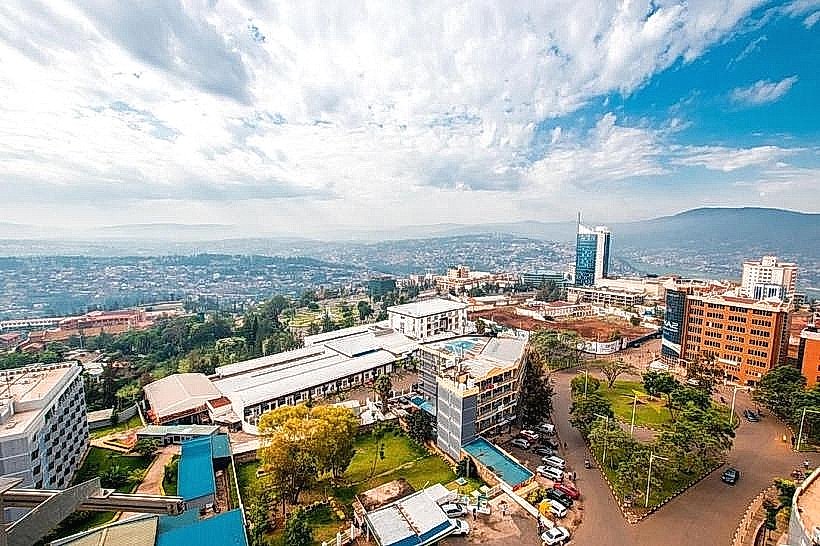
City: Kigali
Country: Rwanda
Continent: Africa
Kigali, Rwanda, Africa
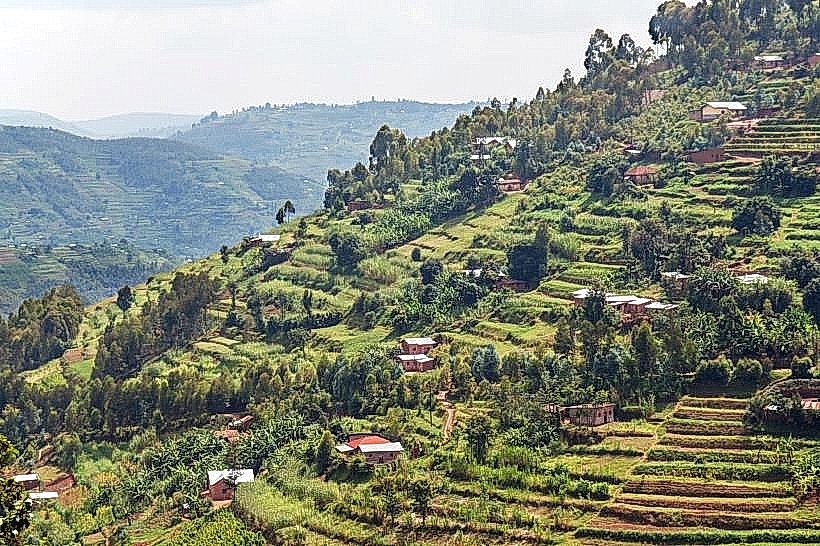
Kigali serves as the undisputed political, economic, and administrative center of Rwanda, located in the geographical heart of the country. The city is situated among rolling hills with elevations ranging from 1,300 to 1,600 meters above sea level.
Historical Timeline
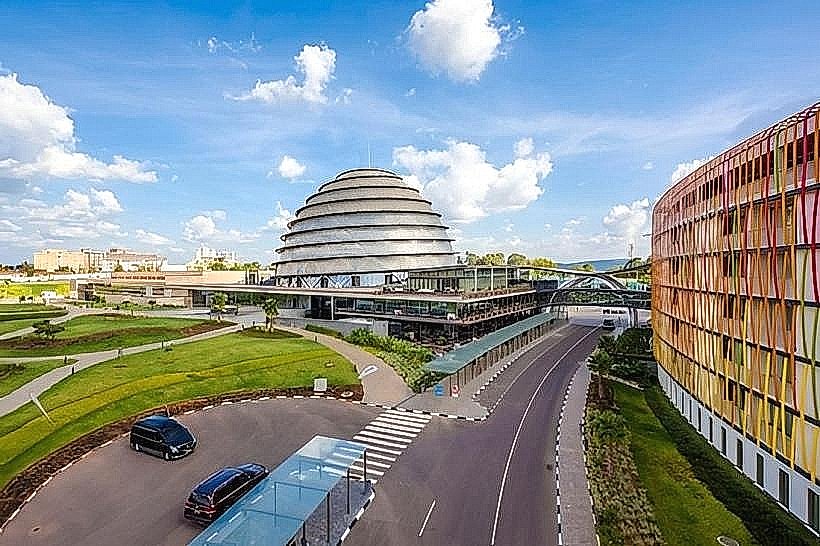
Kigali was founded in 1907 by German explorer Richard Kandt as a small colonial administrative outpost. The city saw primary eras of German (1907–1916) and Belgian (1916–1962) colonial rule before becoming the capital upon national independence in 1962. The most significant political and architectural reconstruction began post-1994, following the Rwandan Genocide. This event serves as the primary catalyst for the current urban form, characterized by modern master-planning, rigorous cleanliness, and the development of the "Kigali Convention Centre" district as a hub for international diplomacy.
Demographics & Population
The city limit population is approximately 1,373,000, while the greater metropolitan area is estimated at 1,876,000. In accordance with national unity policies, the government does not officially record sub-ethnic data; however, the traditional demographic composition of Rwanda consists of Hutu (85%), Tutsi (14%), and Twa (1%). The median age of the population is 20.2 years.
Urban Layout & Key Districts
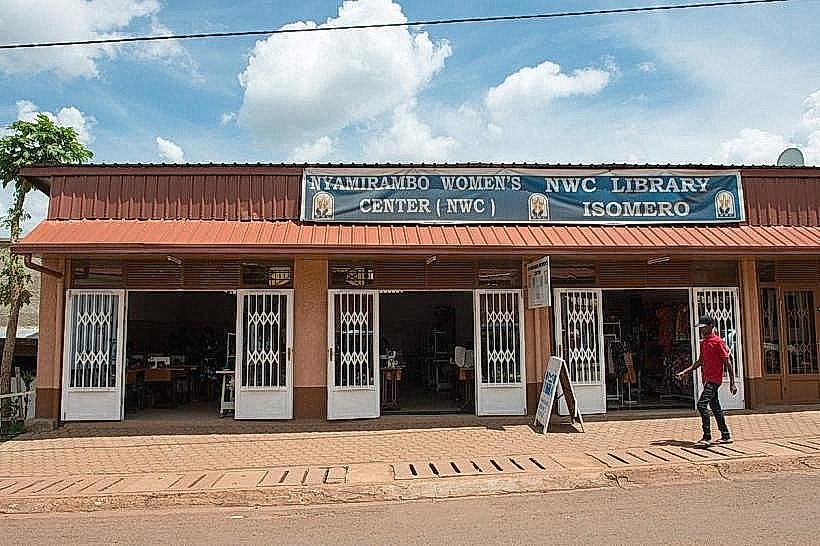
The city is organized across several distinct ridges and valleys. The Central Business District (Nyarugenge) is located on one of the central hills and serves as the financial core. Kimihurura, located to the east of the center, is the primary district for government ministries, high-end dining, and nightlife. Nyamirambo, situated to the southwest, is the city’s oldest and most culturally diverse neighborhood, known for its active street life and markets.
Top City Landmarks
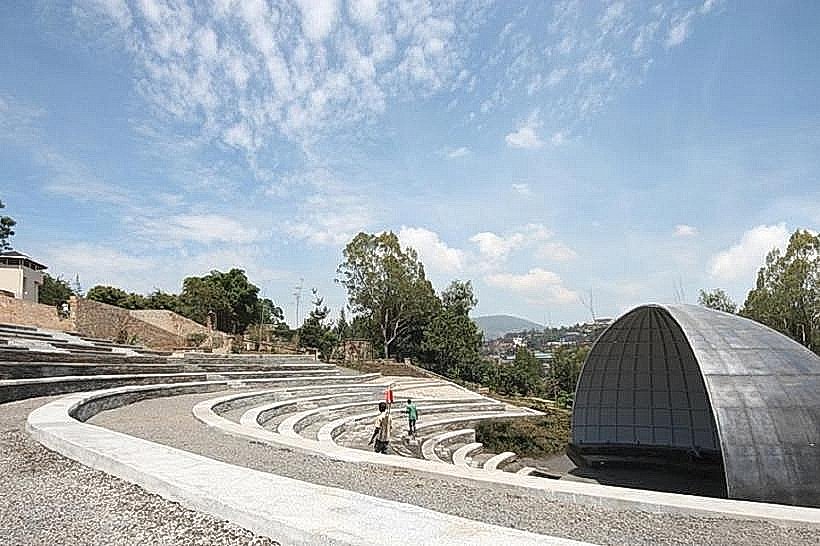
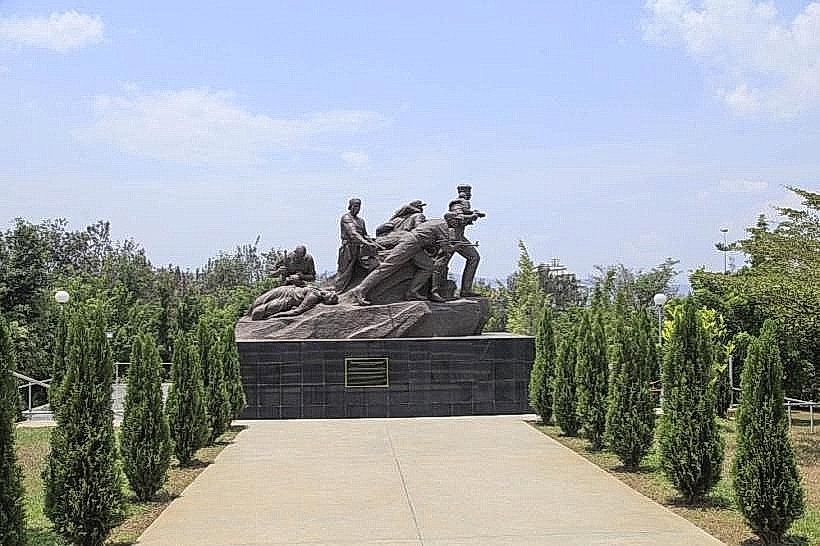
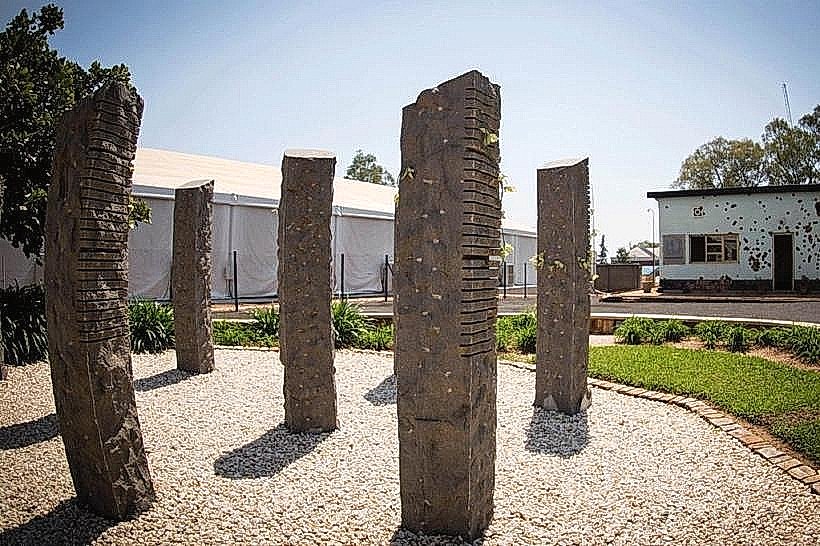
Kigali Genocide Memorial: The final resting place for over 250,000 victims and the nation's primary educational site.
Kigali Convention Centre: A distinctive beehive-shaped glass structure reflecting traditional Rwandan architecture.
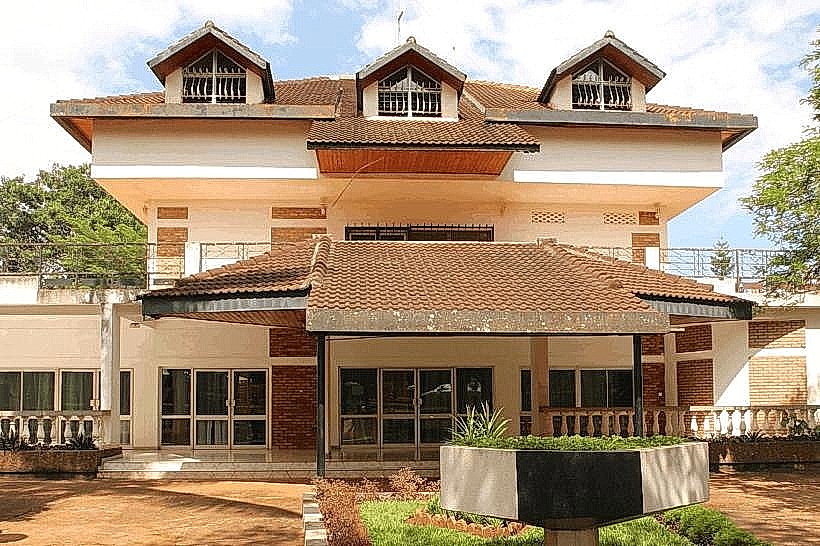
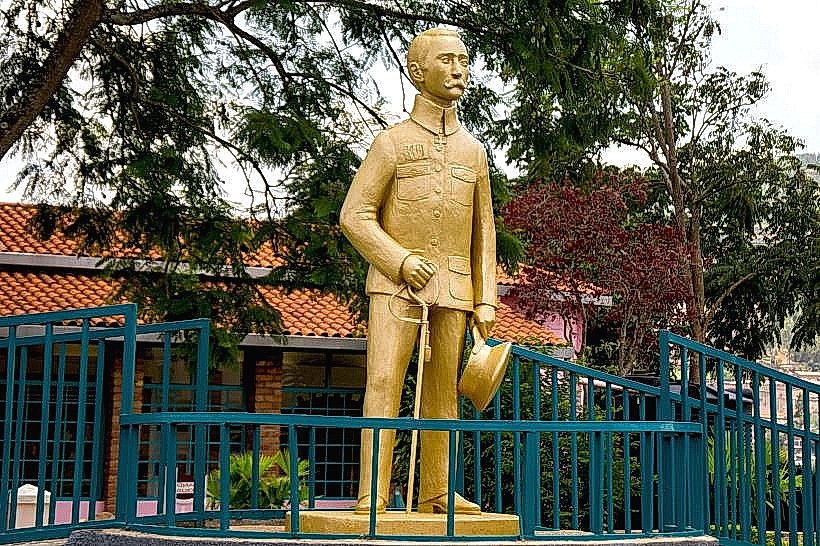
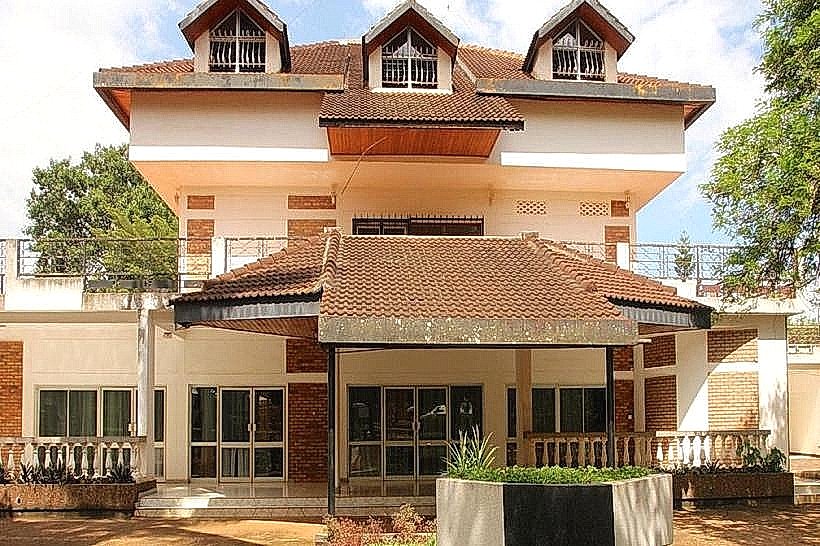
Kandt House Museum: The former residence of the city's founder, detailing the colonial era.
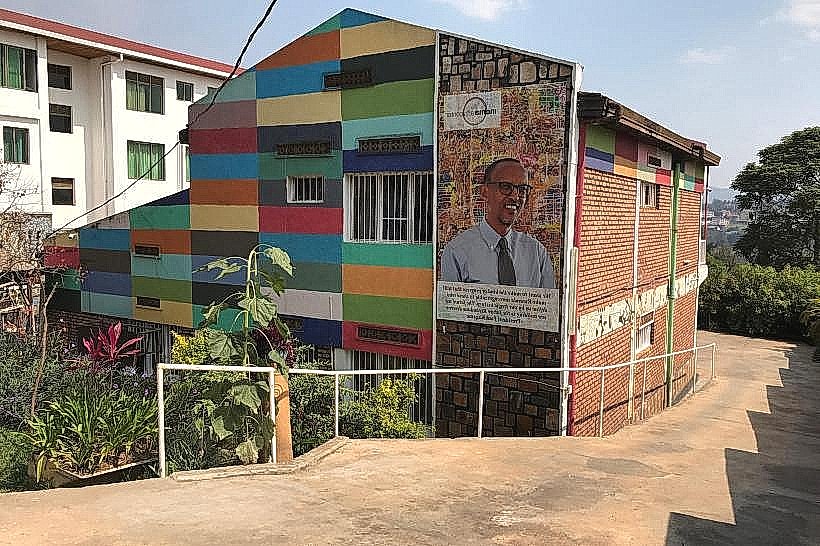
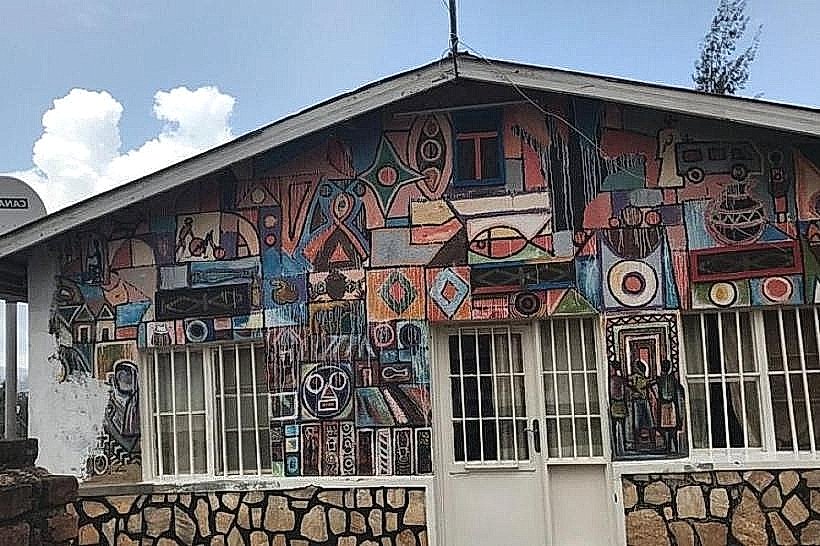
Inema Arts Center: A contemporary hub for Rwandan modern art and creative workshops.
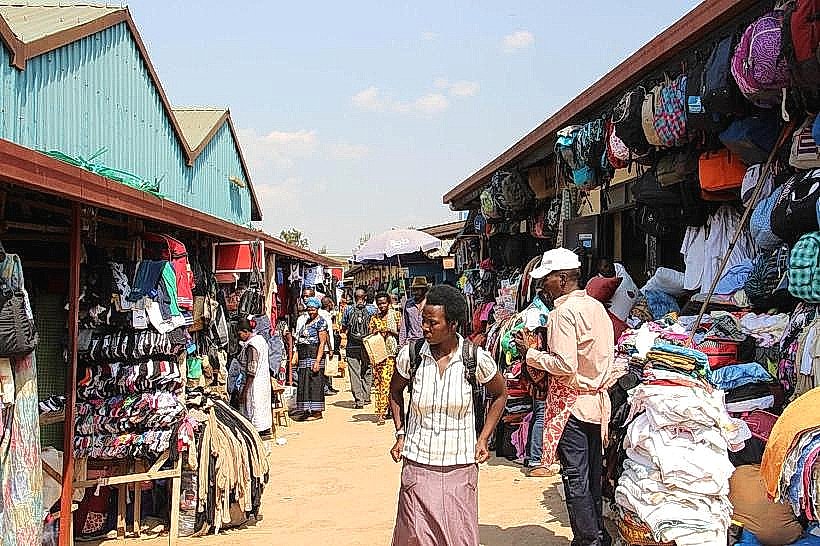
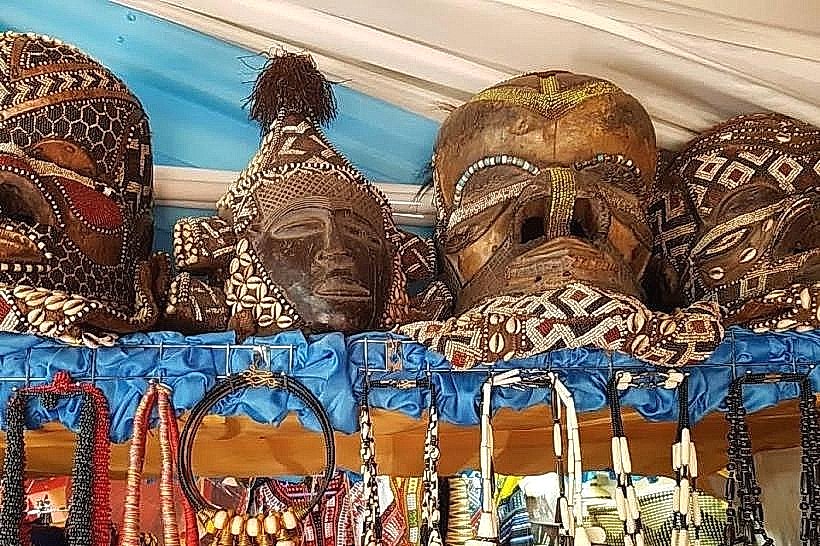
Kimironko Market: The largest and most comprehensive traditional trading structure in the city.
Transportation Network
Intra-city transit is dominated by Moto-taxis (motorcycles), where drivers wear green or red vests and provide helmets for passengers. Official car taxis are white with a distinctive orange stripe. Public transit consists of a modern bus fleet operated by Kigali Bus Services (KBS) and Royal Express, utilizing a "Tap&Go" smart card system for fares. Ride-sharing is available via the Move (Volkswagen) and Yego apps. Traffic density is high during peak hours (07:30–09:00 and 17:00–19:00) but remains orderly.
Safety & "Red Zones"
Kigali is consistently ranked as one of the safest cities in Africa. There are no designated "no-go" zones, though standard precautions should be taken in the Nyamirambo area late at night due to higher foot traffic and potential pickpocketing. Violent crime against tourists is statistically rare. Common scams involve "reloading" street-sold SIM cards at inflated prices.
Digital & Financial Infrastructure
The average internet speed in urban centers is 25-40 Mbps, with widespread 4G LTE coverage. The primary mobile carriers are MTN Rwanda and Airtel. Credit card acceptance is high in hotels, supermarkets, and upscale restaurants, though cash (RWF) is required for markets and moto-taxis. ATMs are widely available and typically support Visa and Mastercard.
Climate & Air Quality
Kigali maintains a tropical highland climate with temperatures ranging from 15°C to 27°C year-round. The primary weather risks are the heavy rains during the long monsoon season (March–May) and short rains (October–November). Air quality is generally moderate, though localized smog increases during the dry season (June–August) due to dust and vehicle emissions on unpaved perimeter roads.
Culture & Social Norms
Tipping is not mandatory but 10% is standard in tourist-oriented establishments. The standard greeting is a firm handshake. Dress codes are conservative; shorts and revealing clothing are uncommon outside of sports contexts. Smoking is prohibited in most public indoor spaces. Every last Saturday of the month, the city observes Umuganda, a mandatory community cleaning service from 08:00 to 11:00 where businesses close and motorized transport is restricted.
Accommodation Zones
Stay in Kiyovu for immediate walking access to the financial district, quiet tree-lined streets, and luxury hotels.
Stay in Kimihurura for logistical proximity to the city’s best international restaurants, coworking spaces, and the Convention Centre.
Local Cost Index
1 Espresso: 2,500 RWF ($1.95 USD)
1 Standard Lunch: 6,000 RWF ($4.65 USD)
1 Metro/Bus Ticket: 250 RWF ($0.20 USD)
Nearby Day Trips
Volcanoes National Park: 105 km (2 hours) for gorilla trekking.
Akagera National Park: 110 km (2.5 hours) for savanna safaris.
Lake Kivu (Rubavu): 155 km (3 hours) for lakeside recreation.
King's Palace Museum (Nyanza): 85 km (2 hours) for cultural history.
Facts & Legends
Kigali is home to a unique "urban legend" concerning the "Eternal Flame" of the Genocide Memorial, which locals claim never flickers regardless of the intense wind or rain on the Gisozi hill. Historically, the city is noted for its strict ban on non-biodegradable plastic bags; luggage is frequently searched at the airport, and possession can lead to immediate fines.