Landmark: Belgian Peacekeepers Memorial
City: Kigali
Country: Rwanda
Continent: Africa
Belgian Peacekeepers Memorial, Kigali, Rwanda, Africa
The Kigali-memorial_kigali" class="underline">Camp Kigali Memorial, also known as the Belgian Peacekeepers Memorial, is a historical site located at a former military base in the Nyarugenge district of Kigali. It marks the location where ten Belgian Blue Berets serving under the United Nations Assistance Mission for Rwanda (UNAMIR) were killed on April 7, 1994, during the initial stages of the Genocide against the Tutsi.
Visual Characteristics
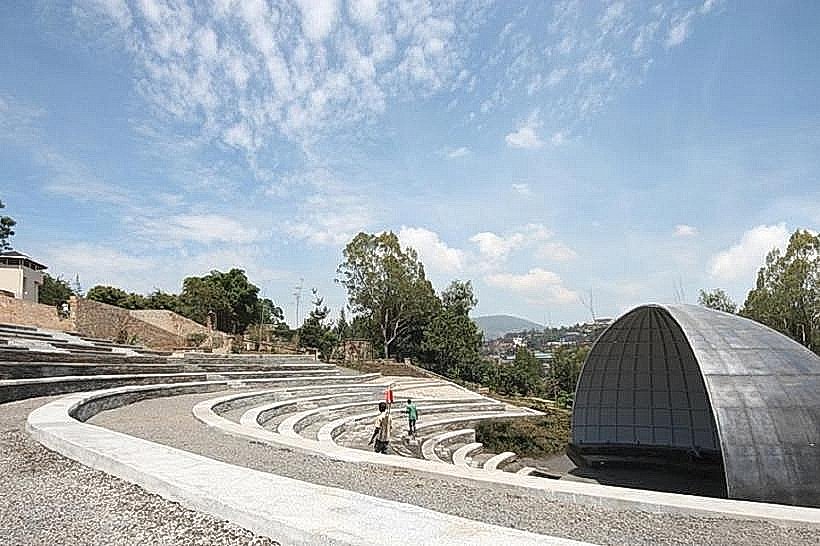
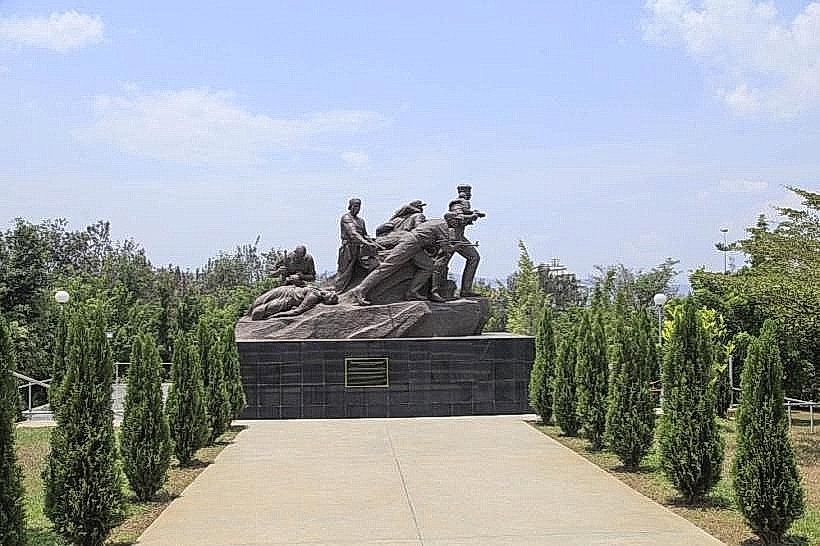
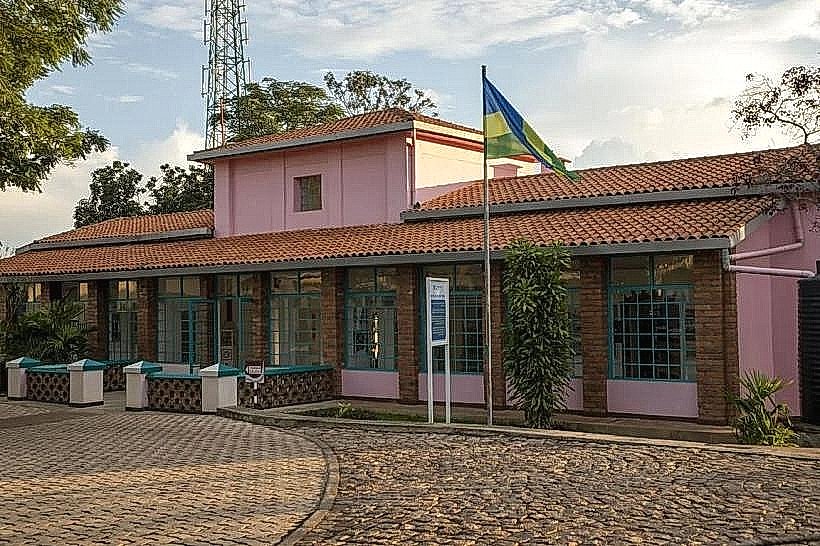
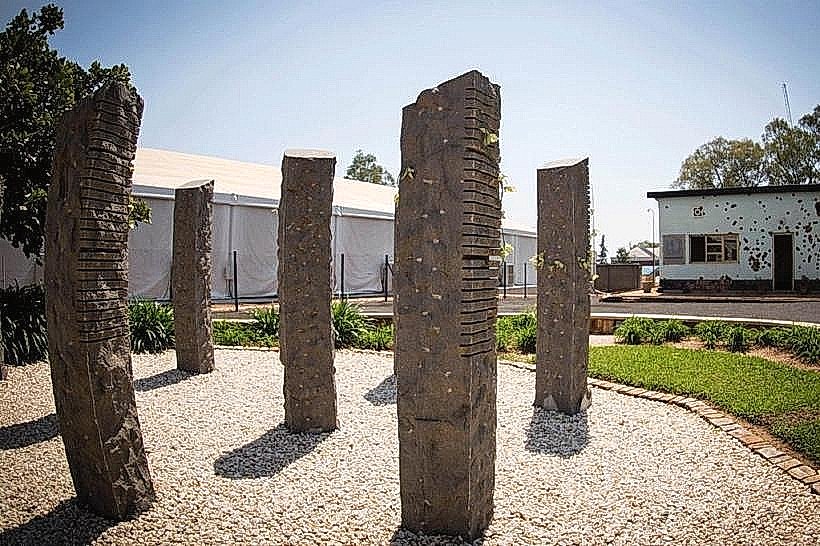
The memorial is centered around a small stone building-the site of the soldiers' final stand-which has been preserved with visible bullet holes and shrapnel damage. Outside, ten gray stone pillars stand in a circle, each representing one of the fallen peacekeepers. Horizontal notches carved into these pillars indicate the age of each soldier at the time of their death.
Location & Access Logistics
The site is situated on KN 3 Road, approximately 1km south of the Kigali city center and near the Kigali Serena Hotel. It is easily accessible via paved urban roads.
Transport: Visitors typically arrive via taxi or motorcycle taxi; the site is a standard stop for city historical tours.
Parking: Limited street parking is available near the entrance of the former military camp.
Entry: Access is through a guarded gate, as the site remains adjacent to an active administrative area.
Historical & Ecological Origin
The memorial was established on the grounds of Camp Kigali, which served as a primary military barracks during the colonial and post-colonial periods. The site was officially dedicated to the memory of the Belgian soldiers to acknowledge the international dimensions of the conflict. It is located on a central ridge of the city, surrounded by mature acacia trees and urban administrative buildings.
Key Highlights & Activities
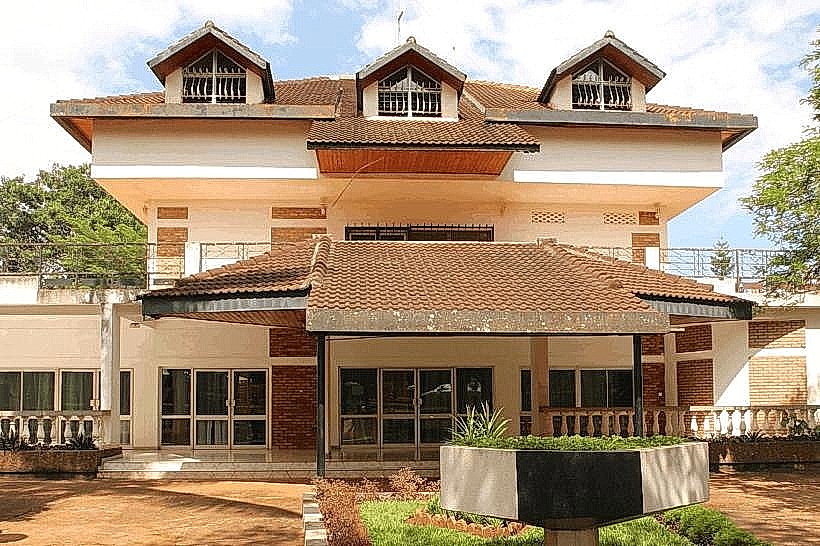
Indoor Museum: The small building contains a modest exhibit with photographs of the soldiers and a detailed account of the events that transpired at the camp.
Commemorative Pillars: Visitors can walk among the ten stone columns to observe the symbolic notches representing the soldiers' ages.
Guided Reflection: On-site guides are often available to provide a chronological narrative of the UNAMIR mission's challenges in 1994.
Infrastructure & Amenities
The facility is a quiet, somber space with basic visitor infrastructure.
Facilities: A small reception area and public restrooms are located near the entrance.
Connectivity: 5G cellular coverage is strong due to the central location in the government district.
Accessibility: The outdoor memorial area is flat and paved, making it accessible for those with limited mobility.
Best Time to Visit
The memorial is open daily from 8:00 AM to 5:00 PM. Weekday mornings provide the most contemplative environment, as the site is less frequented by large tour groups. For photography, the morning light best captures the textures of the bullet-scarred walls and the stark shadows of the stone pillars.
Facts & Legends
A verified historical detail is that the notches on the pillars are purposely left incomplete at the top to symbolize lives cut short. The site is a key location for annual diplomatic ceremonies involving Belgian and Rwandan officials, serving as a permanent reminder of the complexities of international peacekeeping.
Nearby Landmarks
Kigali Serena Hotel: 0.3km North
Kandt House Museum: 0.9km North
Sainte-Famille Church: 1.5km North
Kigali City Hall: 1.2km North
Nyarugenge Market: 1.0km Northwest