Landmark: Angkor Thom
City: Siem Reap
Country: Cambodia
Continent: Asia
Angkor Thom, Siem Reap, Cambodia, Asia
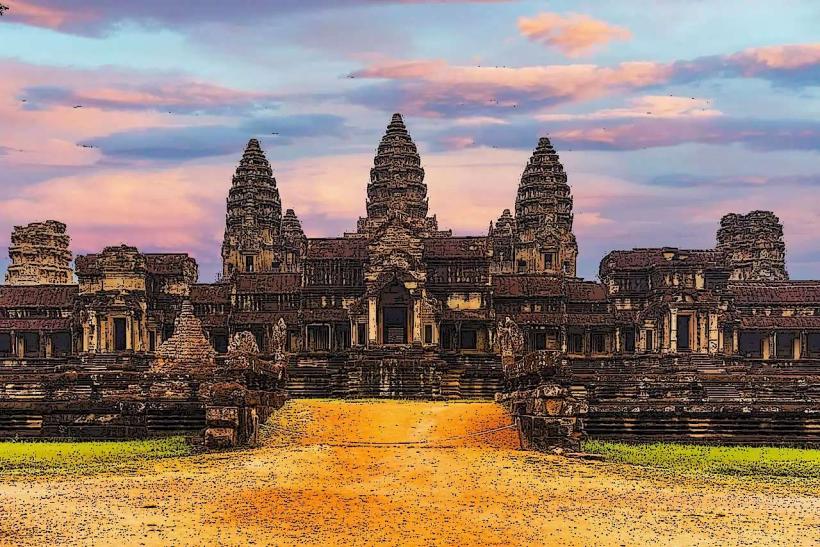
Angkor Thom is a large temple complex located within the Angkor Archaeological Park, approximately 5.5 kilometers north of Siem Reap, Cambodia.
Visual Characteristics
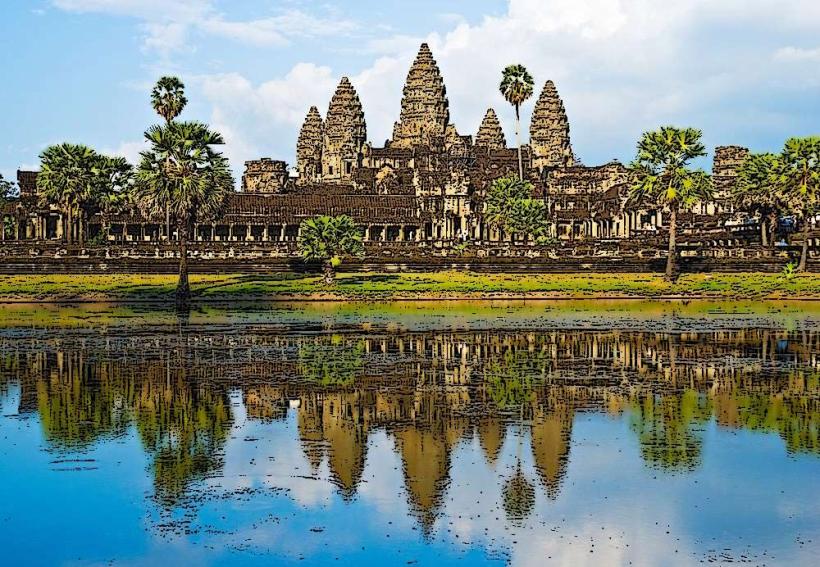
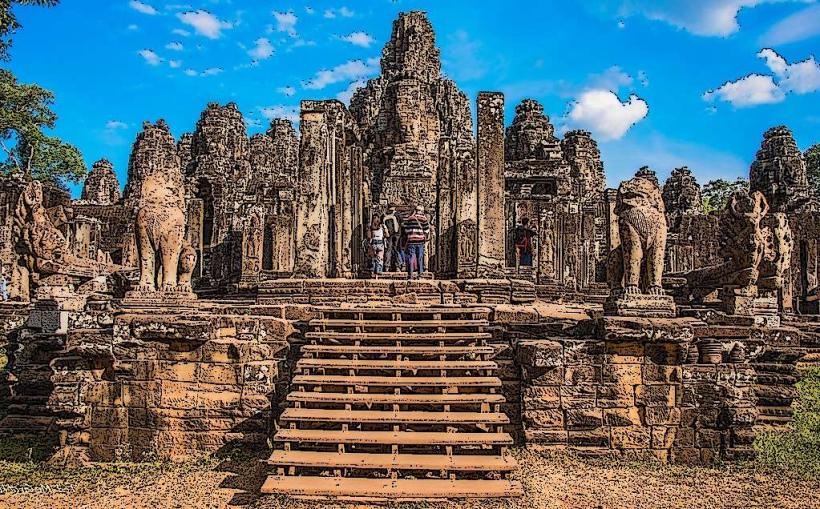
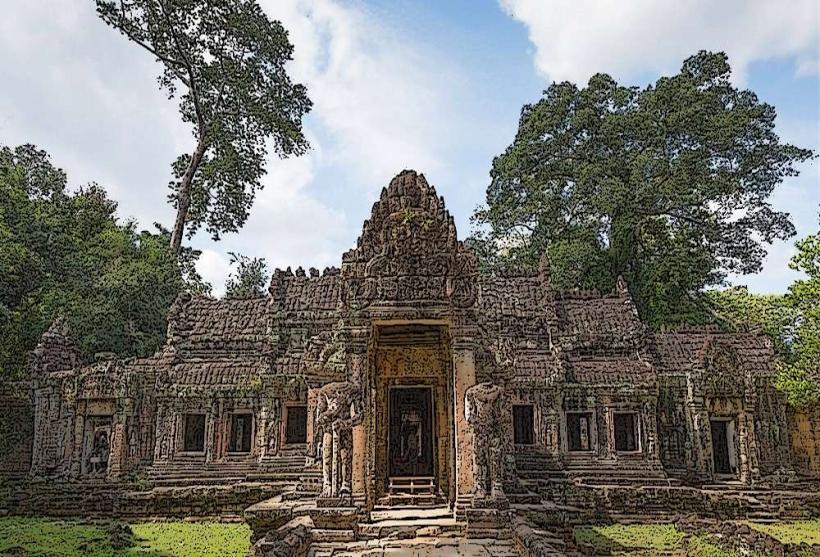
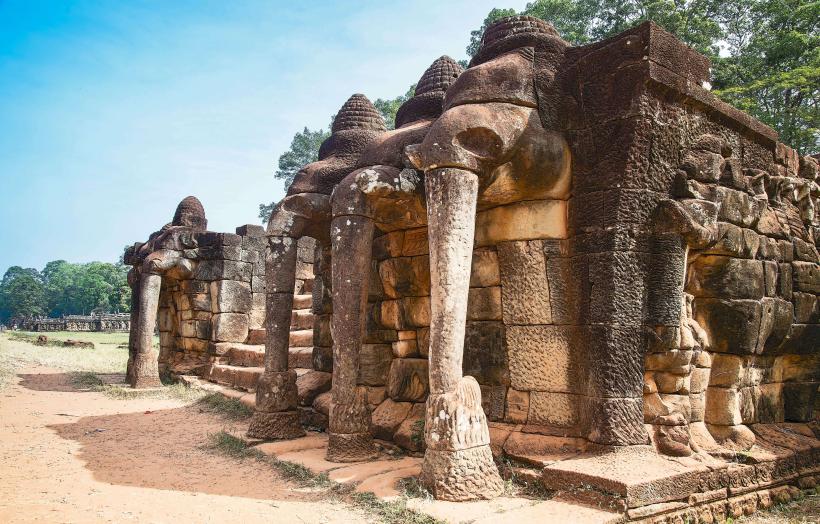
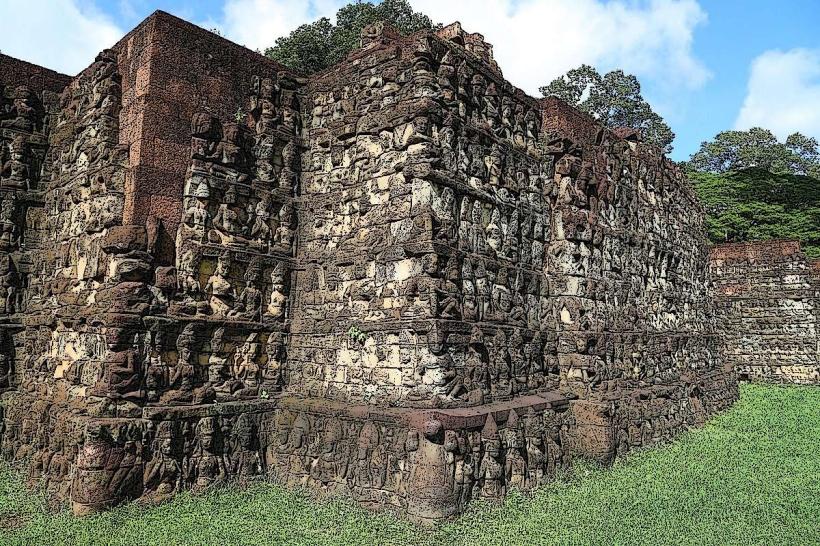
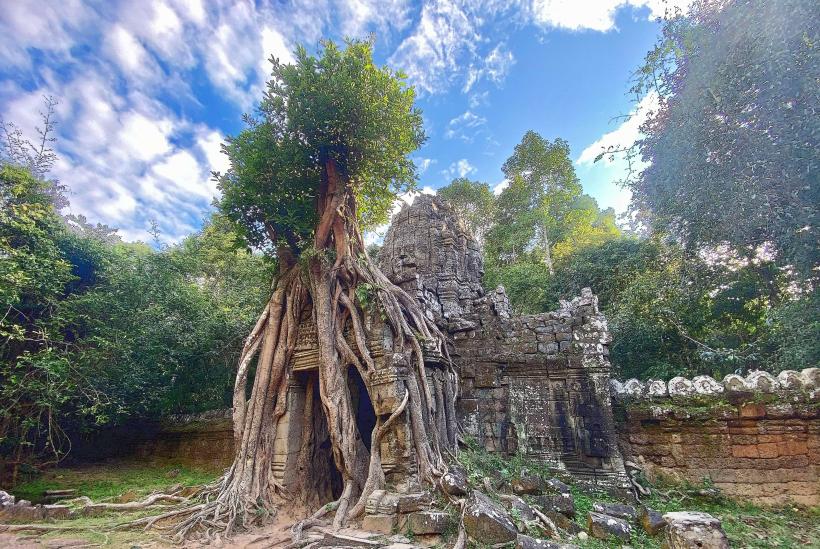
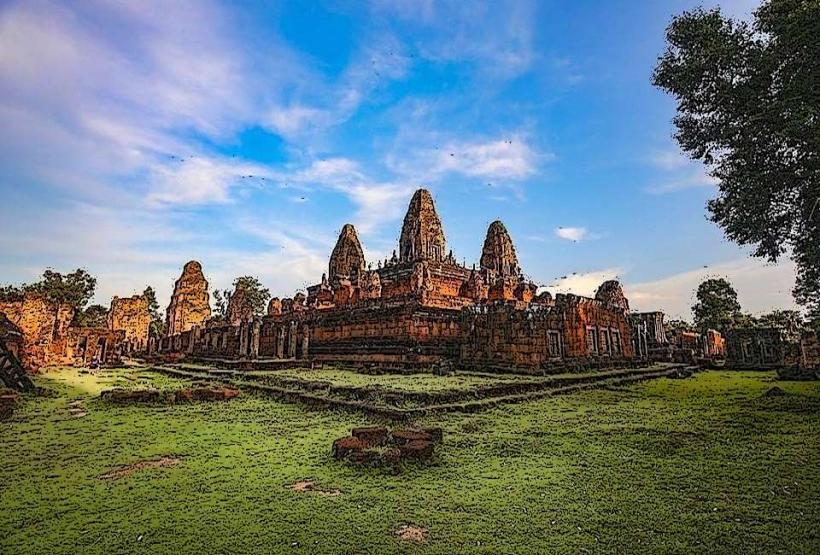
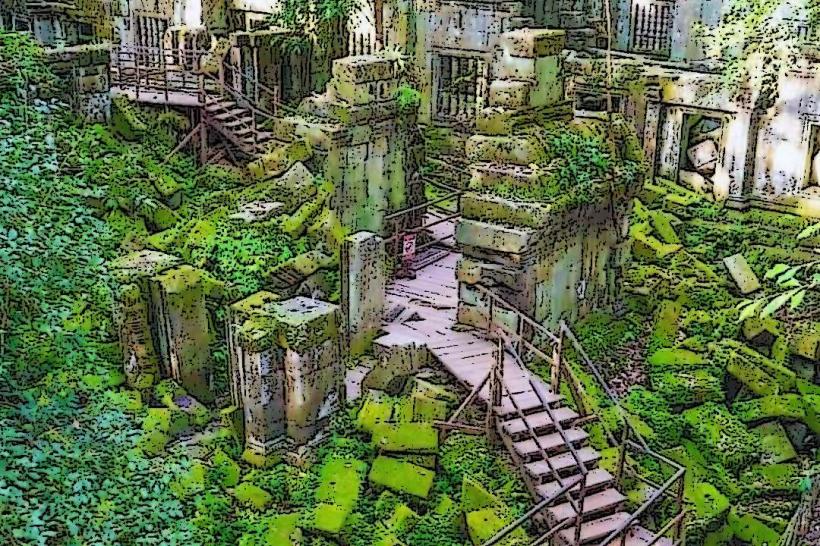
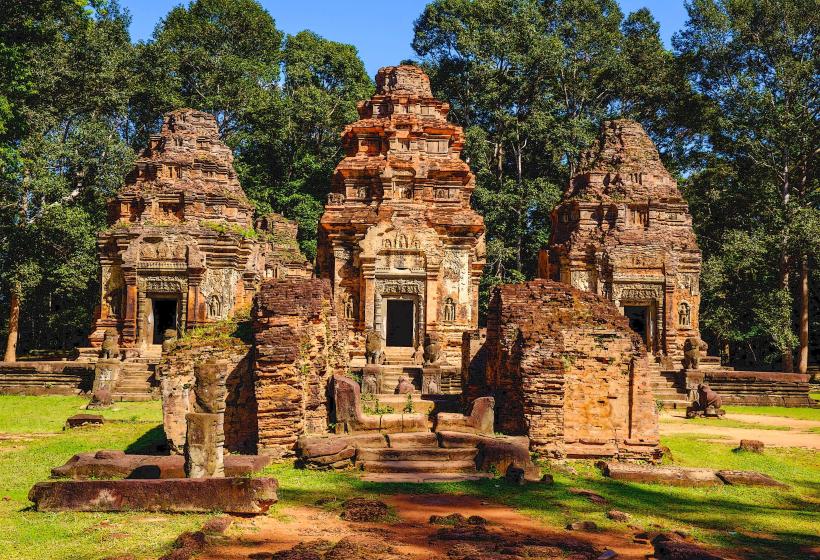
The central structure, the Bayon Temple, is characterized by its numerous large, smiling stone faces carved into towers. The complex is constructed primarily from sandstone and laterite. The outer walls of Angkor Thom are approximately 8 meters high and enclose an area of 3 square kilometers. Other notable structures include the Baphuon, the Terrace of the Elephants, and the Terrace of the Leper King, all featuring extensive bas-reliefs and stone carvings.
Location & Access Logistics
Angkor Thom is situated 5.5 kilometers north of Siem Reap. Access is typically via Charles de Gaulle Boulevard, which leads to the Angkor Archaeological Park entrance. Within the park, Angkor Thom is accessible via the South Gate or the North Gate. Tuk-tuk services are readily available in Siem Reap for transport to the park, with prices varying based on itinerary. Bicycle rental is also an option for independent exploration. Parking is available at designated areas near the main entrances to Angkor Thom.
Historical & Ecological Origin
Angkor Thom was established as the last capital city of the Khmer Empire by King Jayavarman VII in the late 12th century. It served as a political and religious center. The city's layout and construction reflect Khmer architectural principles and religious beliefs, incorporating elements of both Hinduism and Buddhism. The surrounding area is characterized by tropical monsoon forest.
Key Highlights & Activities
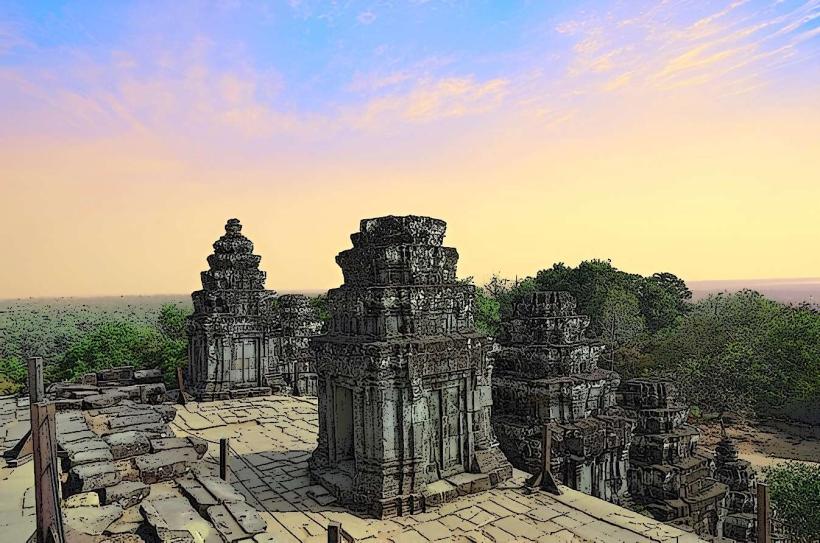
Exploration of the Bayon Temple's face towers is a primary activity. Visitors can walk along the Terrace of the Elephants and the Terrace of the Leper King to view their detailed carvings. The Baphuon, a large temple-mountain, offers opportunities for climbing and panoramic views. Photography is permitted within designated areas. Guided tours are available, often focusing on the history and symbolism of the structures.
Infrastructure & Amenities
Restrooms are located at various points within the Angkor Archaeological Park, including near the main entrances to Angkor Thom. Shade is provided by the dense tree canopy in some areas and by the temple structures themselves. Cell phone signal (4G) is generally available within the park. Food and beverage vendors are present at the park entrance and at designated rest stops, but not directly within the core of Angkor Thom.
Best Time to Visit
The optimal time for visiting Angkor Thom is during the dry season, from November to March. Early morning (6:00 AM - 9:00 AM) offers softer light for photography and fewer crowds. Late afternoon (4:00 PM - 6:00 PM) also provides favorable lighting conditions. There are no tide-dependent activities at this inland site.
Facts & Legends
The enigmatic smiling faces of the Bayon Temple are believed by some to represent the bodhisattva Avalokiteśvara, or possibly King Jayavarman VII himself in a divine form. An interesting detail is the presence of a large, well-preserved statue of the Buddha within the Baphuon, added centuries after its initial construction.
Nearby Landmarks
- Angkor Wat (2.5km South)
- Ta Prohm (4.0km Southeast)
- Banteay Kdei (4.5km Southeast)
- Preah Khan (3.0km Northeast)
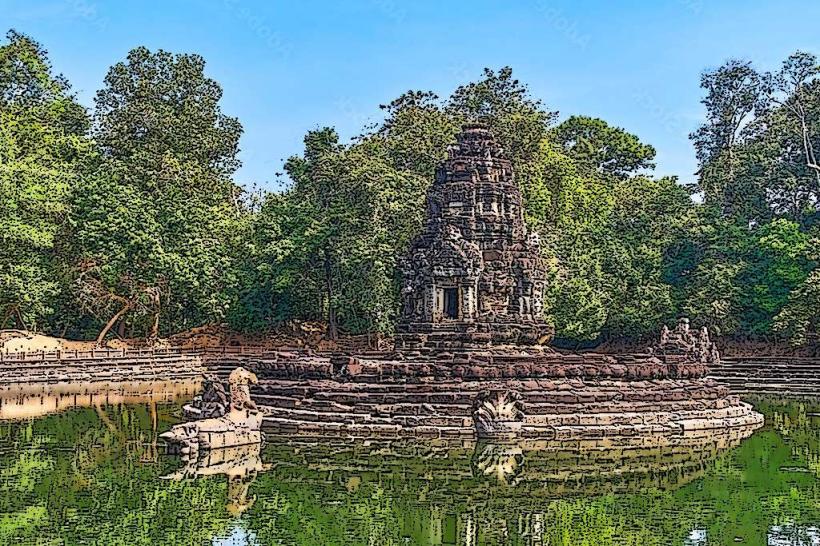
- Neak Pean (3.5km Northeast)