Landmark: Pre Rup
City: Siem Reap
Country: Cambodia
Continent: Asia
Pre Rup, Siem Reap, Cambodia, Asia
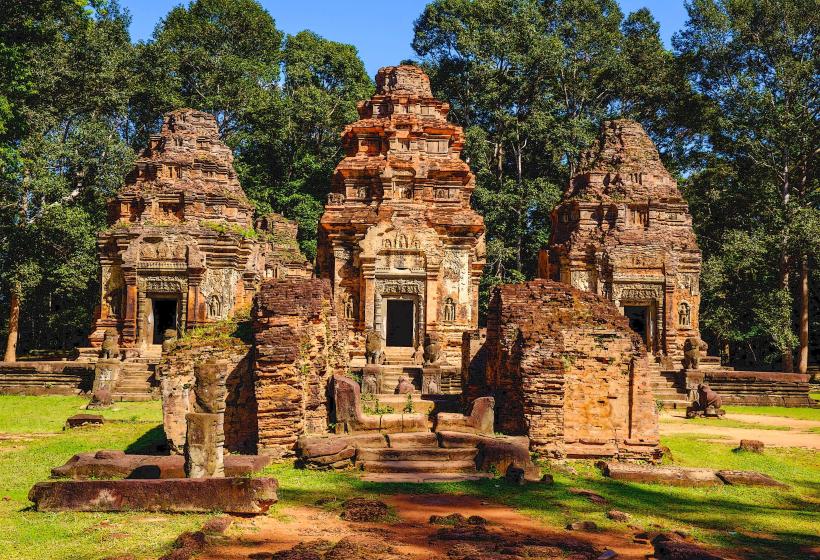
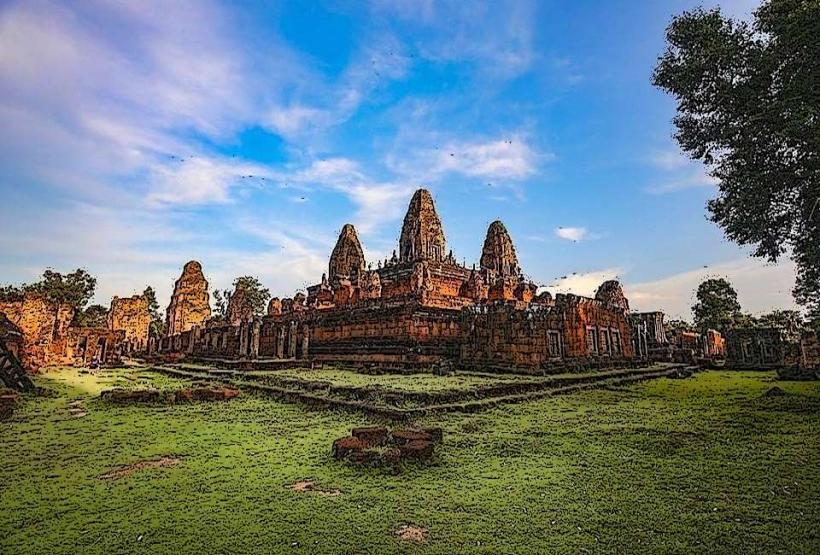
Pre Rup is a temple mountain located in the Angkor Archaeological Park, approximately 12 kilometers east of Siem Reap, Cambodia.
Visual Characteristics
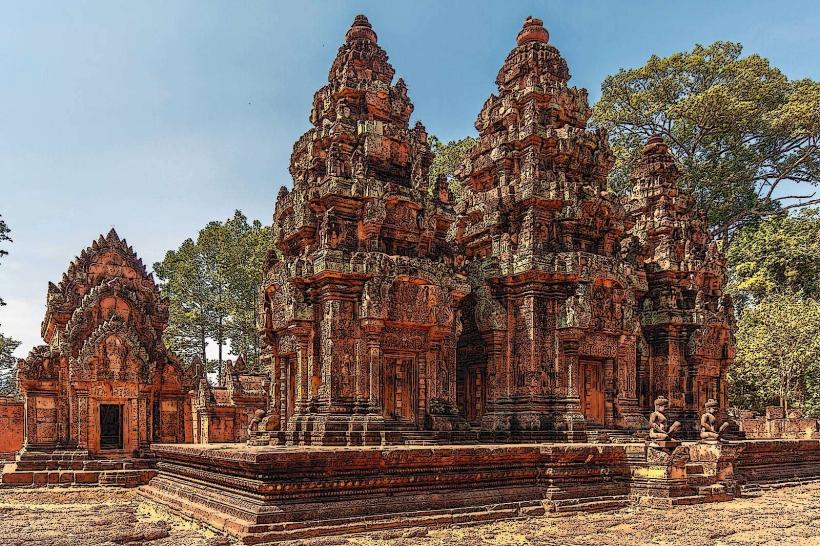
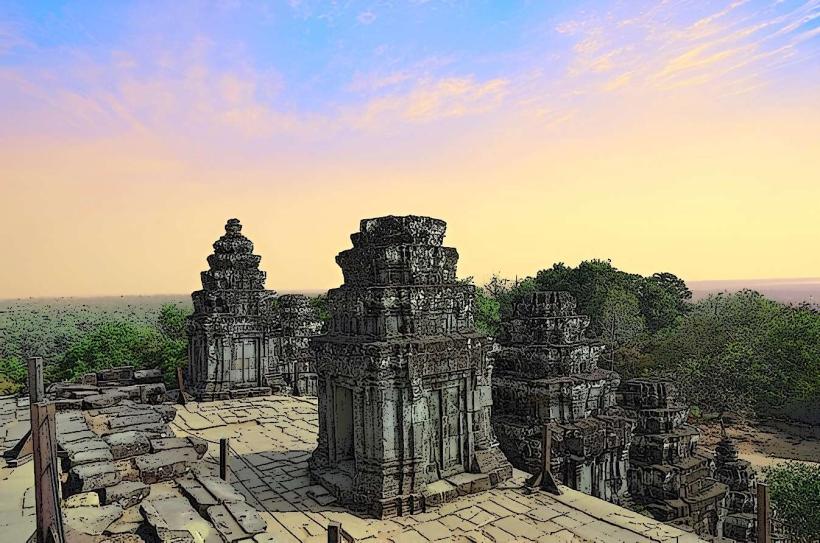
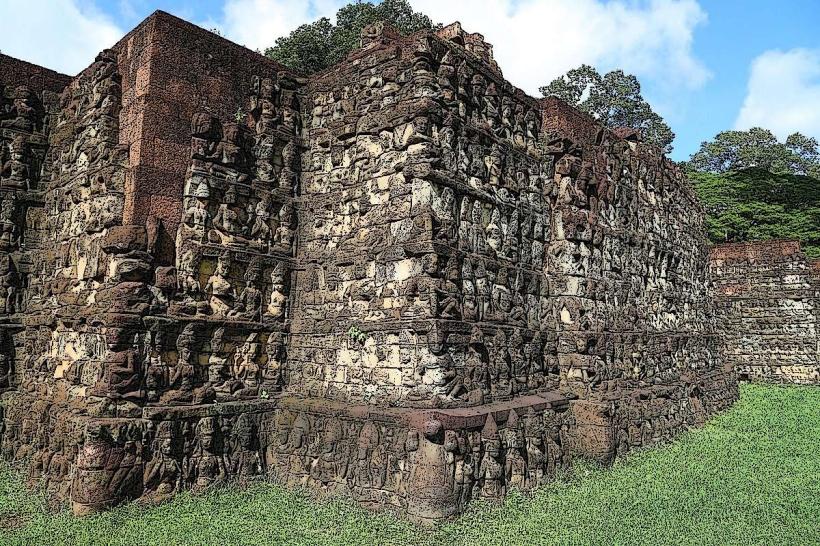
This brick and laterite temple is constructed in a pyramidal form with three tiers. The central sanctuary features five towers, each topped with a lotus bud finial. The exterior walls are primarily red brick, with laterite used for structural elements and decorative carvings. The temple's overall height reaches approximately 15 meters.
Location & Access Logistics
Pre Rup is situated on the eastern side of the Angkor Archaeological Park, accessible via the main road leading from Siem Reap. It is approximately 12 kilometers from the city center. Parking is available at the site. Public transport options include tuk-tuks and private taxis from Siem Reap.
Historical & Ecological Origin
Pre Rup was built in the 10th century, specifically in 961 AD, during the reign of King Rajendravarman II. It served as a state temple and was dedicated to Shiva. The temple's design reflects the architectural style of the Banteay Srei period.
Key Highlights & Activities
Visitors can ascend the central pyramid to view the surrounding landscape. The temple's upper levels offer vantage points for observing the park. Photography is a primary activity, particularly during sunrise and sunset.
Infrastructure & Amenities
Restrooms are available near the entrance to the archaeological park. Shade is limited within the temple complex itself. Cell phone signal (4G/5G) is generally available. Food vendors are typically located at the main entrance to the park, not directly at Pre Rup.
Best Time to Visit
For optimal lighting conditions for photography, the hours around sunrise (approximately 5:30 AM - 6:30 AM) and sunset (approximately 5:00 PM - 6:00 PM) are recommended. The dry season, from November to March, offers the most pleasant weather conditions.
Facts & Legends
The name "Pre Rup" translates to "turn body," referring to a ritual of turning the body around the ashes of the cremated king during funeral ceremonies. The temple's reddish hue is a result of the materials used and the effects of weathering over centuries.
Nearby Landmarks
- East Mebon (0.5km North)
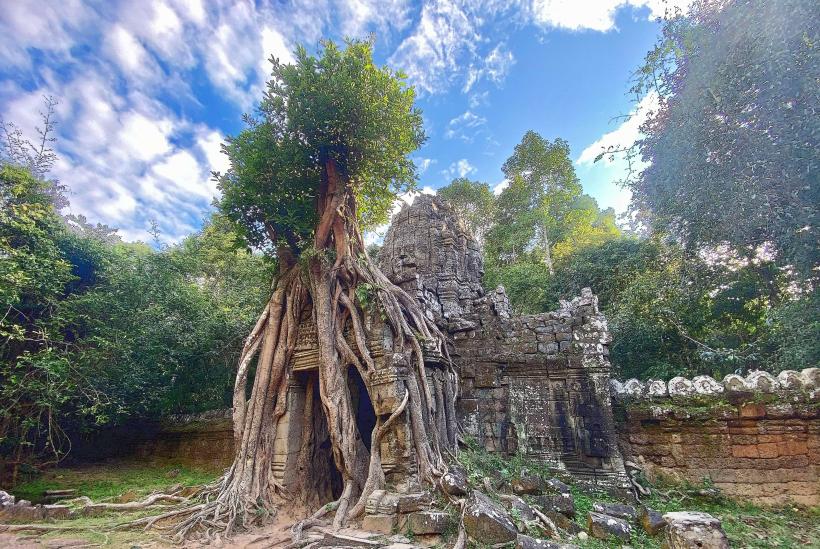
- Ta Som (1.5km North)
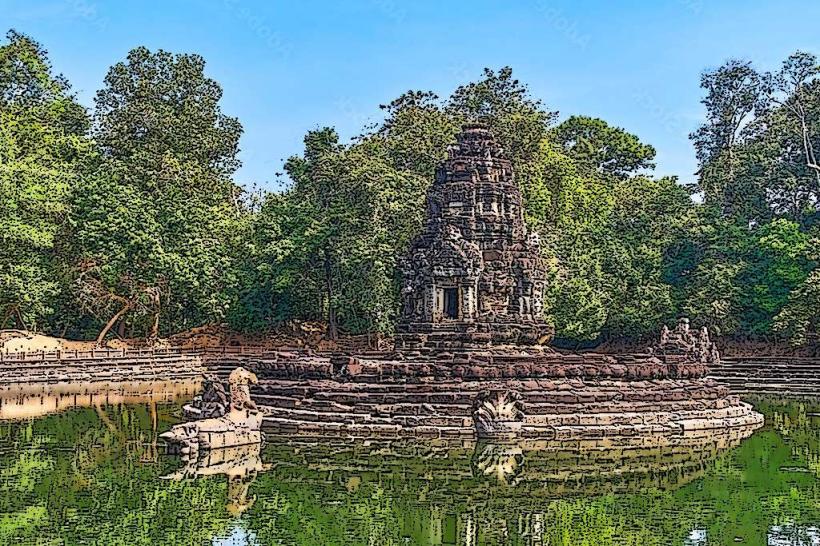
- Neak Pean (2.0km North)
- Banteay Srei (18.0km Northeast)
- Angkor Wat (10.0km West)