Landmark: East Mebon
City: Siem Reap
Country: Cambodia
Continent: Asia
East Mebon, Siem Reap, Cambodia, Asia
East Mebon is a temple located in the Angkor Archaeological Park, near Siem Reap, Cambodia.
This temple mountain was built as the state temple of King Rajendravarman II, dedicated to Shiva and his ancestors.
Visual Characteristics
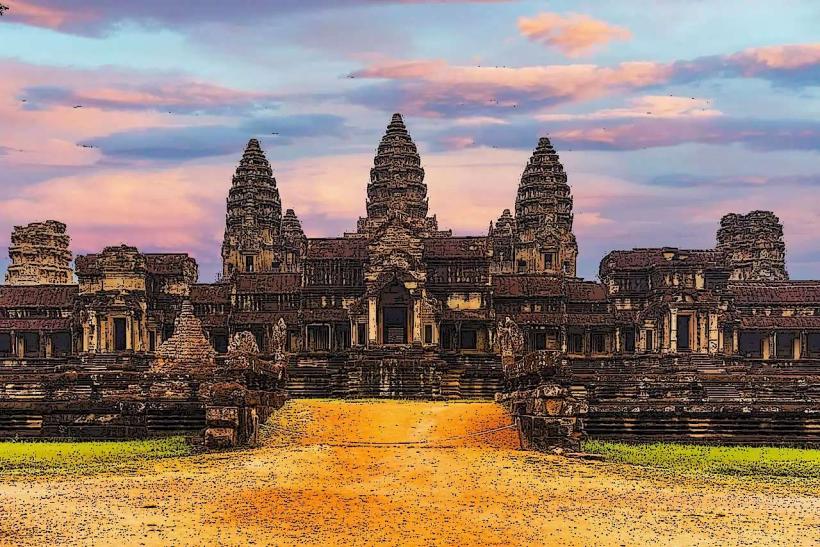
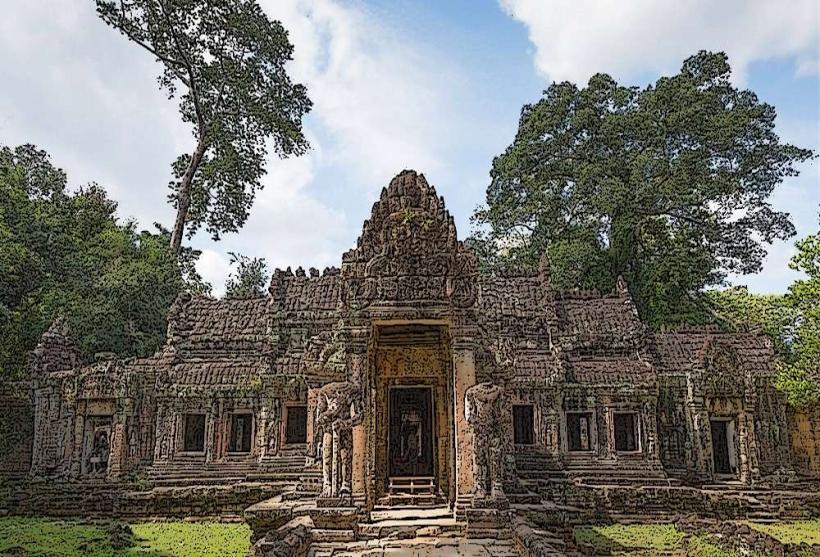
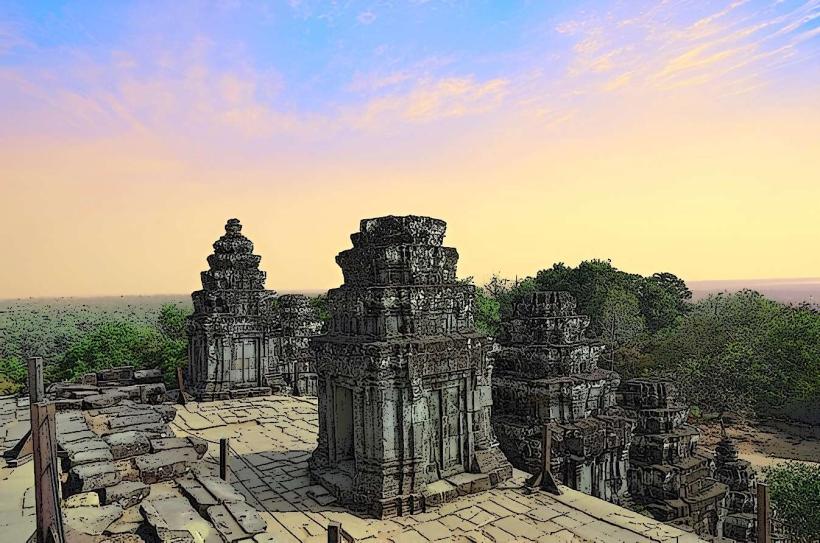
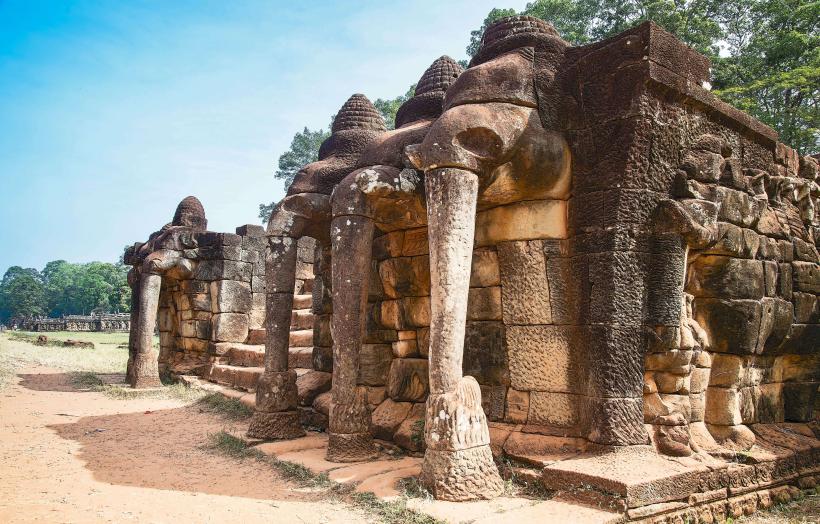
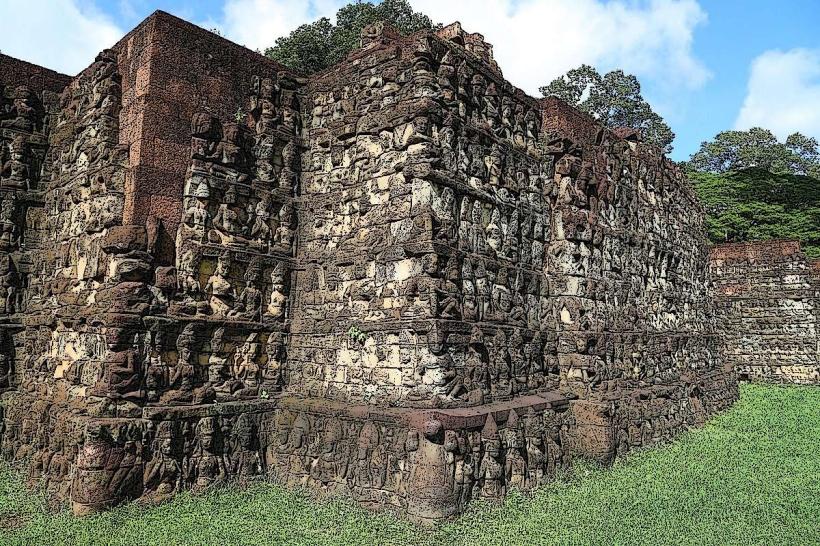
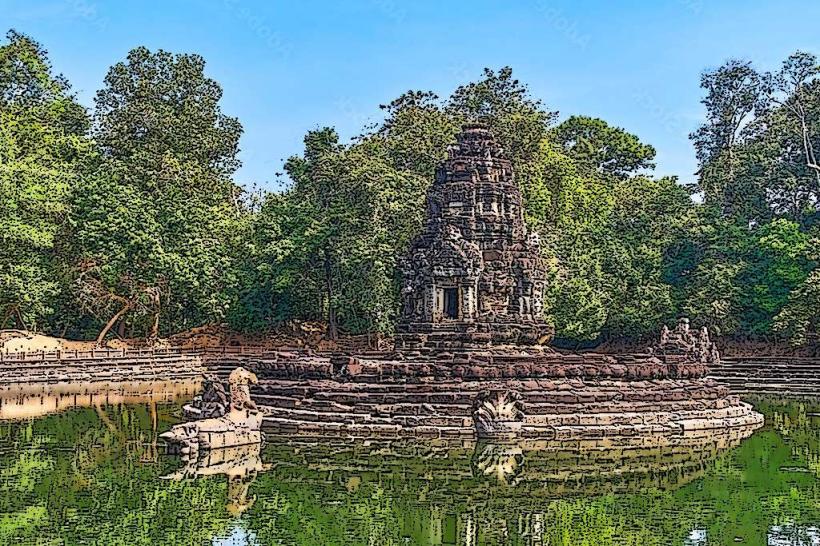
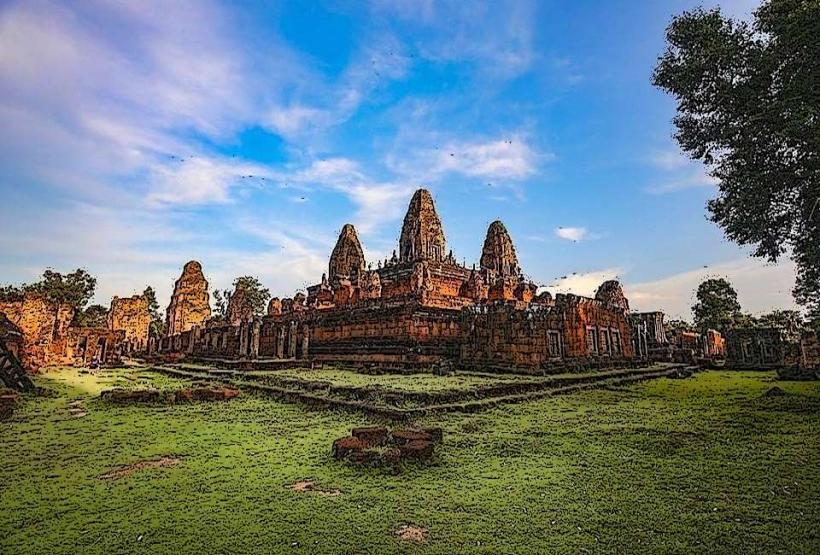
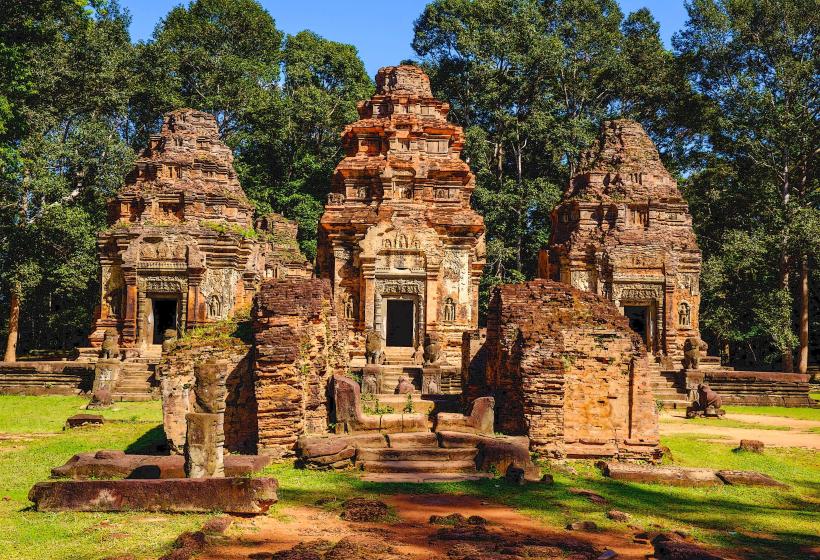
Constructed primarily from brick and sandstone, East Mebon features a tiered pyramid design. The central sanctuary consists of three levels, topped by five towers. The temple's exterior is adorned with carved elephants at the corners of the first two tiers. The sandstone elements exhibit a weathered, ochre hue, while the brickwork has a darker, reddish-brown patina.
Location & Access Logistics
East Mebon is situated approximately 15 kilometers northeast of Siem Reap city center. Access is via the main Angkor Park road, turning off onto a smaller track leading to the temple. The final approach involves a short walk from the parking area. Public transport options to the Angkor Park entrance are available from Siem Reap, with local tuk-tuks and taxis being the primary means of reaching individual temples within the park.
Historical & Ecological Origin
East Mebon was constructed in the 10th century, specifically between 952 and 968 AD, during the reign of King Rajendravarman II. It served as the state temple for the king and was dedicated to Shiva. The temple's original purpose was to honor the king's ancestors and the Hindu deity Shiva. The site was strategically chosen to be on an island in the now-dry East Baray reservoir.
Key Highlights & Activities
Visitors can observe the large elephant sculptures at the base of the temple. Exploration of the temple's three tiers and the central sanctuary is possible. The remaining decorative carvings, though eroded, offer insight into Khmer art and religious iconography. Photography of the temple structure and its surrounding landscape is a common activity.
Infrastructure & Amenities
Restrooms are available at the main visitor facilities near the entrance to the Angkor Archaeological Park. Shade is limited within the temple complex itself, primarily provided by natural vegetation. Cell phone signal (4G/5G) is generally available in the area. Food vendors and small shops are located at the main park entrance and at designated rest stops within the park.
Best Time to Visit
For optimal lighting conditions for photography, early morning (7:00 AM - 9:00 AM) or late afternoon (4:00 PM - 5:30 PM) is recommended. The dry season, from November to March, offers the most pleasant weather with lower humidity and minimal rainfall. There are no specific tide requirements as the East Baray reservoir is no longer functional.
Facts & Legends
A specific architectural detail to note is the presence of two stone elephants guarding the corners of the first and second tiers, symbolizing the cardinal directions. Local lore suggests that the temple was built to appease spirits and ensure prosperity for the kingdom.
Nearby Landmarks
- Pre Rup (0.5km West)
- East Baray (1km South)
- Banteay Kdei (4km Southwest)
- Ta Prohm (4.5km Southwest)
- Angkor Wat (5km Southwest)