Landmark: Baphuon
City: Siem Reap
Country: Cambodia
Continent: Asia
Baphuon, Siem Reap, Cambodia, Asia
The Baphuon is a large temple-mountain located within the Angkor Archaeological Park in Siem Reap, Cambodia. It was originally constructed as a state temple dedicated to the Hindu god Shiva.
Visual Characteristics
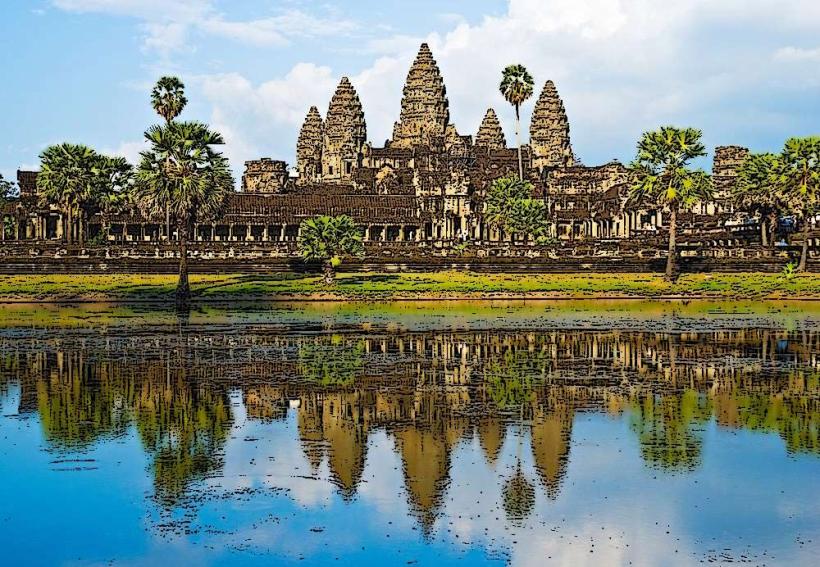
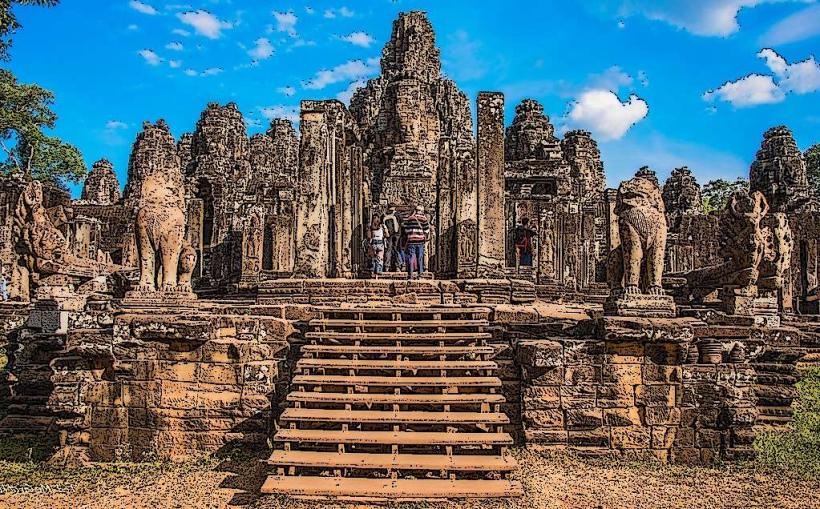
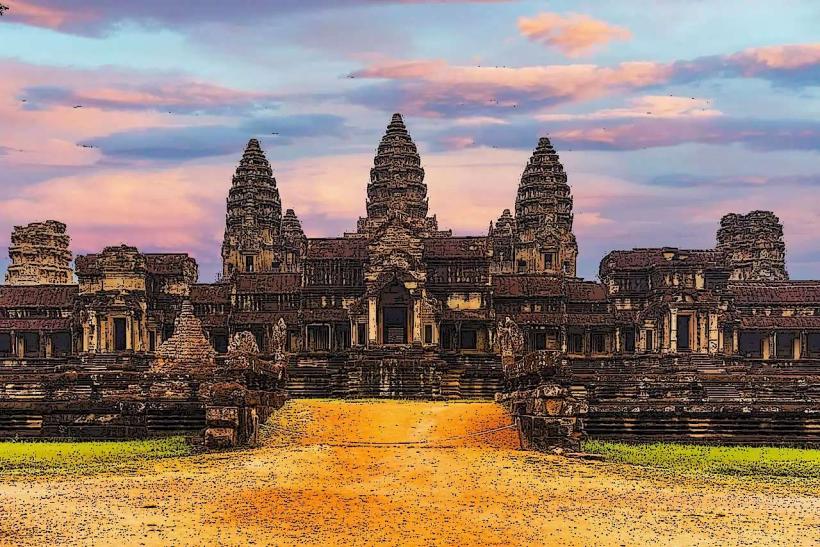
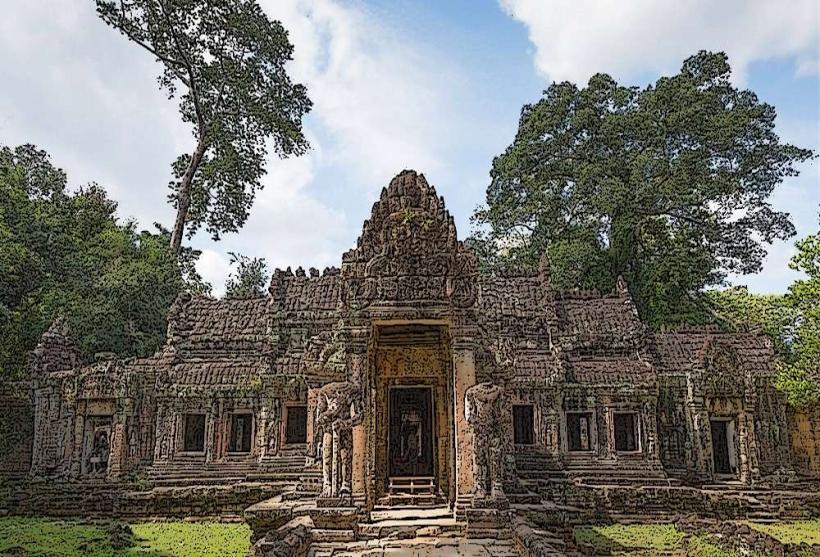
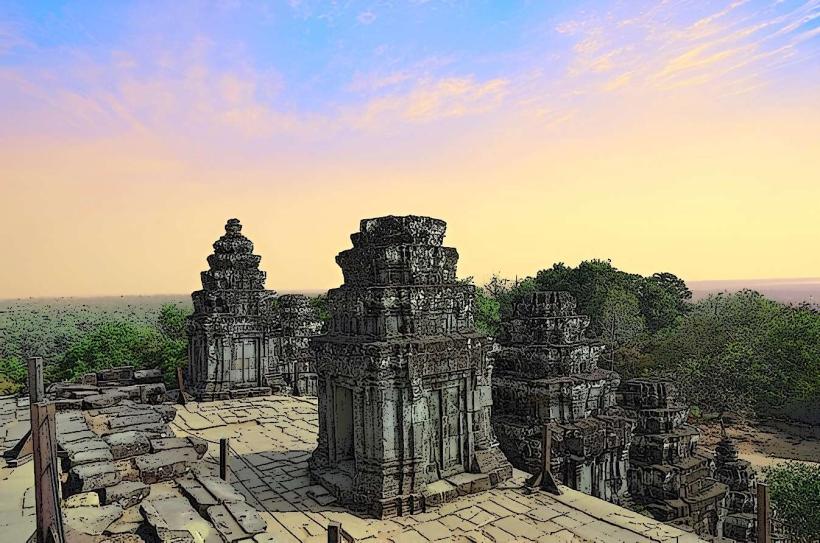
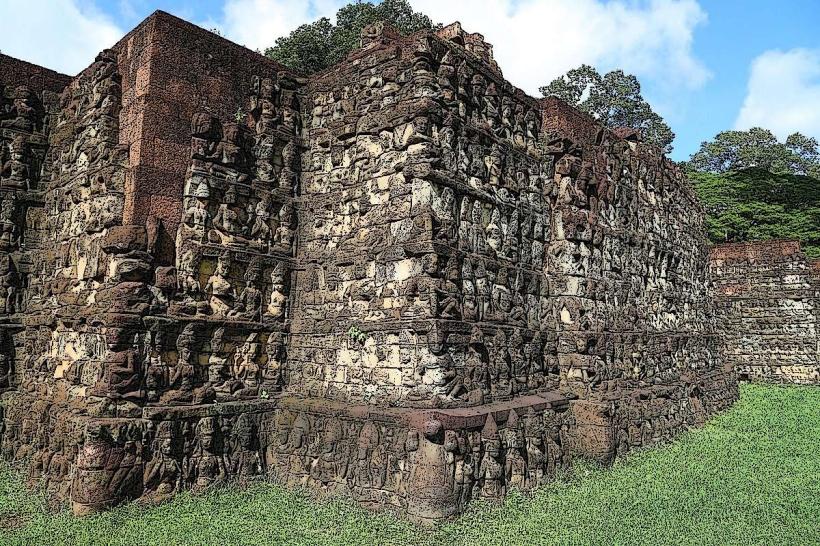
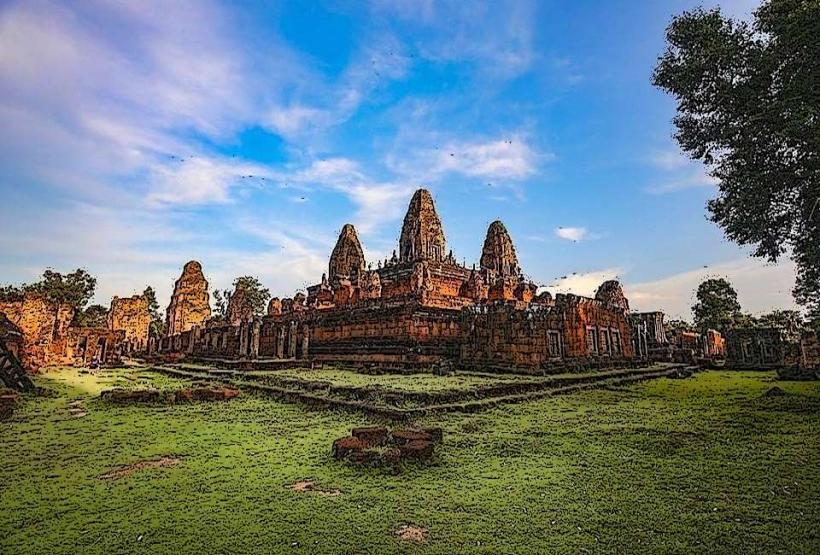
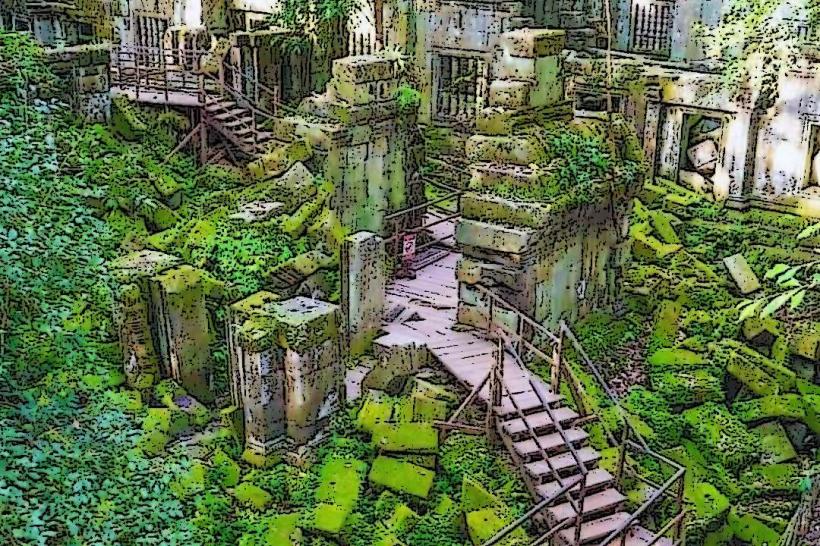
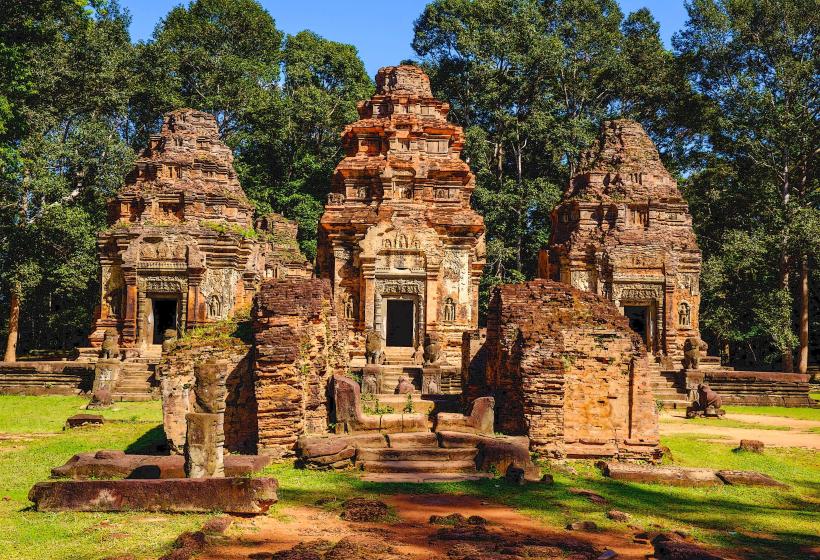
The Baphuon is constructed primarily from sandstone blocks. Its central tower, now largely in ruins, was once a prominent feature. The temple complex is characterized by its tiered structure, with three distinct levels leading to the central sanctuary. The exterior walls are adorned with bas-reliefs depicting scenes from Hindu mythology and historical events. The overall color of the stone is a weathered grey-brown.
Location & Access Logistics
The Baphuon is situated within the Angkor Archaeological Park, approximately 1.5 kilometers west of Angkor Thom. Access is via the main park road, which is paved and well-maintained. Parking is available at designated areas within the park, typically a short walk from the temple entrance. Public transport options within Siem Reap are limited; tuk-tuks and private taxis are the most common modes of transport to the park entrance. From the entrance, a dedicated pathway leads to the Baphuon.
Historical & Ecological Origin
Construction of the Baphuon began in the mid-11th century, around 1060 AD, during the reign of King Udayadityavarman II. It was built in the Baphuon style, a distinct architectural phase of the Khmer Empire. The temple's original purpose was to serve as the state temple of King Udayadityavarman II and later as a Buddhist temple. Its geological origin is the sandstone quarried from the Kulen Mountains.
Key Highlights & Activities
Visitors can ascend the central structure via a long stone causeway. Exploration of the lower and middle terraces is possible. The bas-reliefs on the lower terrace walls offer detailed historical and mythological narratives. Photography is permitted throughout the site. No specific guided tours are scheduled, but independent exploration is encouraged.
Infrastructure & Amenities
Restrooms are available at the main visitor center near the entrance to the Angkor Archaeological Park. Shade is limited within the Baphuon complex itself, with minimal tree cover. Cell phone signal (4G/5G) is generally available within the park. Food vendors and restaurants are located at the main park entrance and in the vicinity of Angkor Thom.
Best Time to Visit
The best time of day for photography is early morning or late afternoon to avoid harsh midday light and capture softer shadows. The dry season, from November to March, offers the most favorable weather conditions with lower humidity and minimal rainfall. There are no tide-specific requirements for visiting the Baphuon.
Facts & Legends
A significant feature of the Baphuon is the large reclining Buddha relief on its western facade, added in the 16th century. This was a later modification, transforming the Hindu temple into a Buddhist site. The temple underwent extensive restoration in the 20th century, a complex process involving the disassembly and reassembly of thousands of stone blocks.
Nearby Landmarks
- Angkor Thom (0.5km Northeast)
- Bayon Temple (1.2km East)
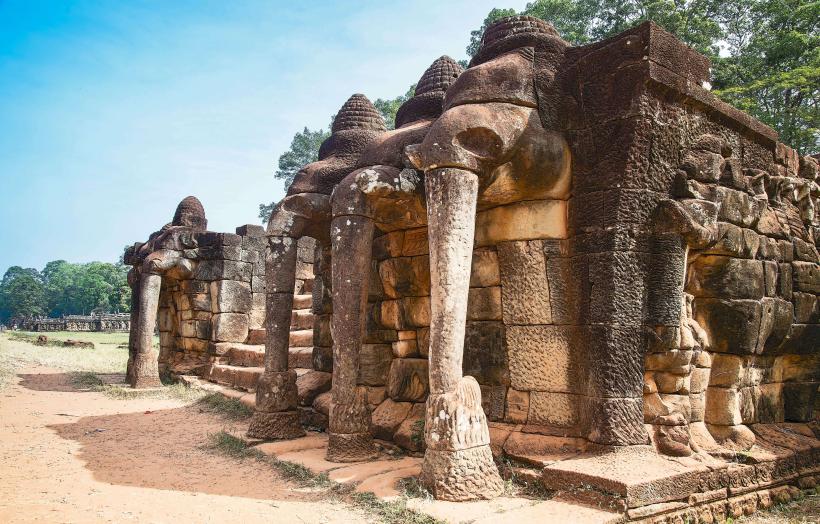
- Terrace of the Elephants (1.8km East)
- Terrace of the Leper King (1.9km East)
- Phimeanakas (1.0km East)