Landmark: Bali Island
City: West New Britain
Country: Papua New Guinea
Continent: Australia
Bali Island, West New Britain, Papua New Guinea, Australia
Bali Island is a small island located off the coast of West New Britain Province, Papua New Guinea. It is part of the Duke of York Islands archipelago.
Visual Characteristics
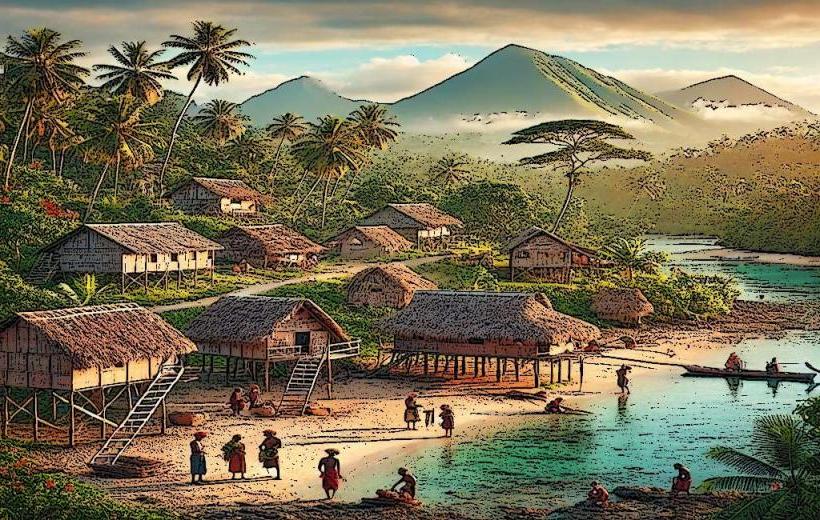
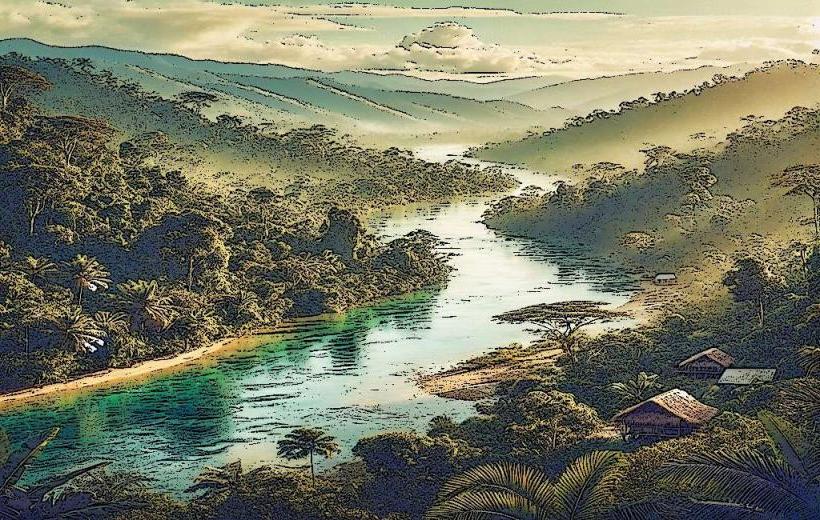
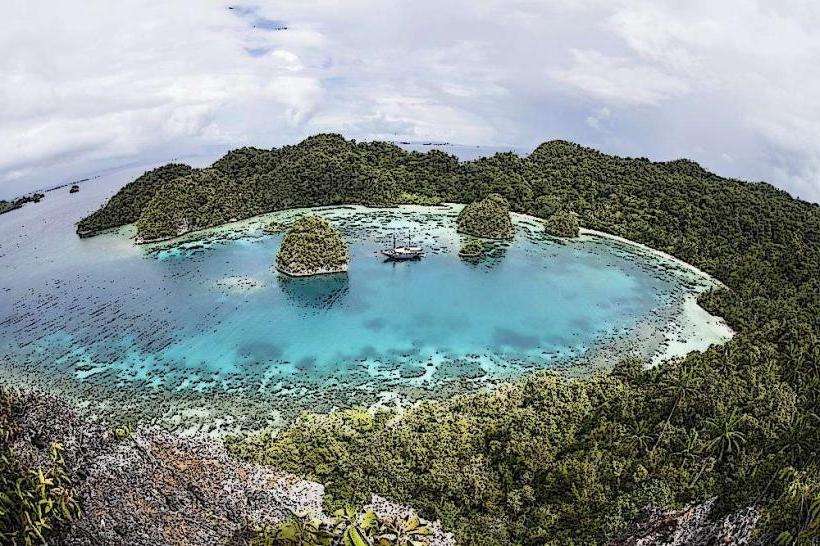
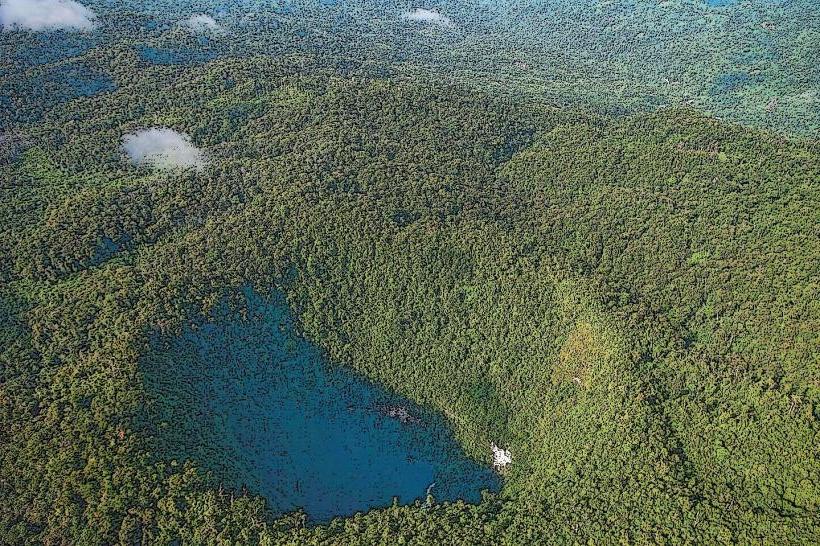
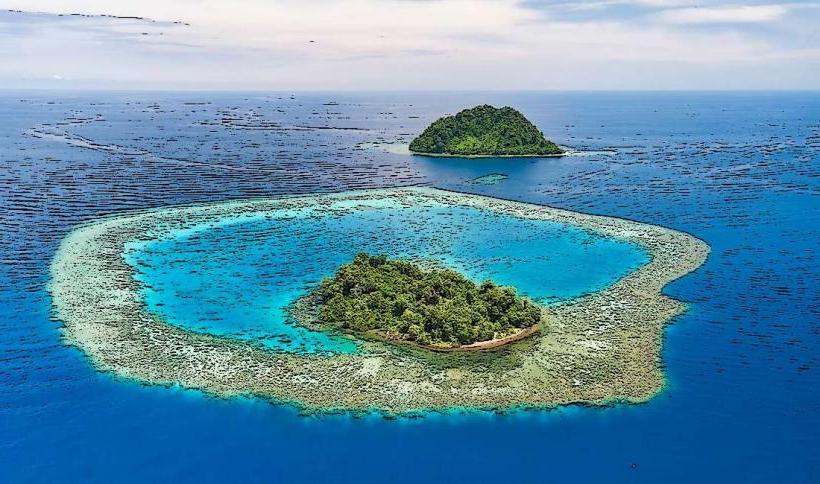
Bali Island is characterized by its low-lying topography, primarily composed of coral limestone and volcanic ash. The island features a coastline with sandy beaches and fringing coral reefs. Vegetation is dense, consisting of tropical rainforest with coconut palms dominating the coastal areas.
Location & Access Logistics
Bali Island is situated approximately 15 kilometers east of Rabaul. Access is primarily via boat from the mainland port of Rabaul. Local boat operators offer transfers, with journey times typically ranging from 30 to 45 minutes depending on sea conditions. There is no dedicated airstrip or regular ferry service. Parking is available at the Rabaul port facilities.
Historical & Ecological Origin
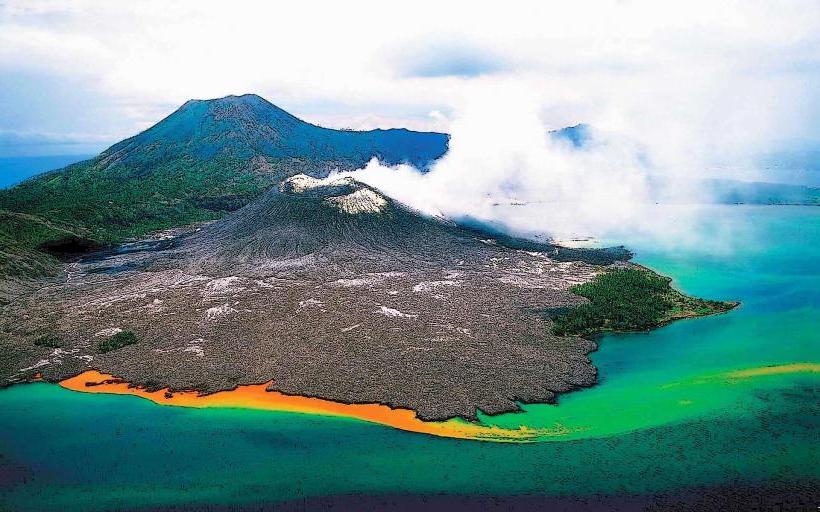
Bali Island is a coral island formed on a submerged volcanic ridge. Its ecological origin is tied to the volcanic activity of the surrounding Bismarck Archipelago, with coral growth accumulating over millennia. Historically, the island was inhabited by indigenous Papuan peoples and later used for copra plantations.
Key Highlights & Activities
Snorkeling and diving are possible around the fringing coral reefs, particularly on the western and southern sides of the island. Observing marine life, including various fish species and coral formations, is a primary activity. Limited hiking trails exist through the island's interior vegetation.
Infrastructure & Amenities
Basic amenities are scarce. There are no public restrooms or designated food vendors on Bali Island. Shade is provided by natural tree cover. Cell phone signal is generally unreliable.
Best Time to Visit
The dry season, from June to September, offers the most favorable weather conditions with reduced rainfall. The best time of day for underwater visibility is typically mid-morning, after the sun has risen sufficiently. High tide is generally preferred for accessing certain reef areas.
Facts & Legends
Local folklore suggests that the island's formation is linked to ancient volcanic spirits. A specific historical detail is the presence of remnants from World War II, including scattered debris, though these are not formally preserved.
Nearby Landmarks
- Duke of York Islands (0.1km North)
- Rabaul (15km West)
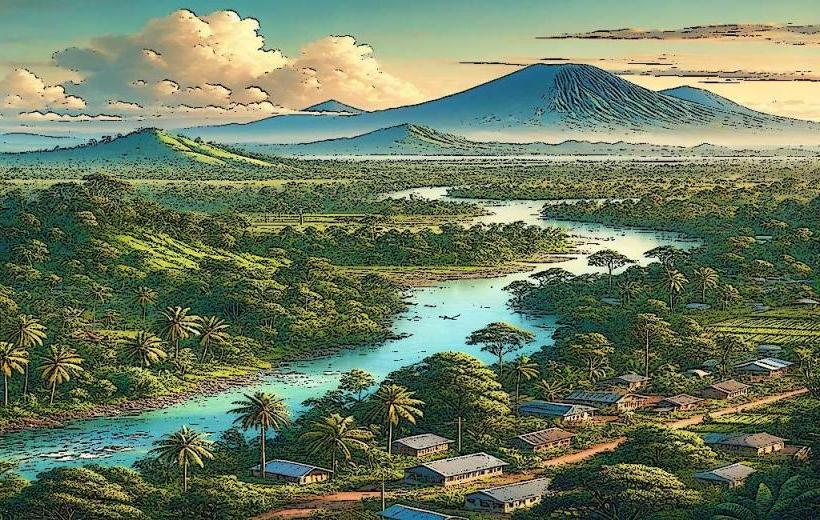
- Ulawun Volcano (approx. 50km Southwest, visible on clear days)
- Kokopo (approx. 20km Southwest)