Landmark: Beiteddine Palace
City: Beiteddine
Country: Lebanon
Continent: Asia
Beiteddine Palace, Beiteddine, Lebanon, Asia
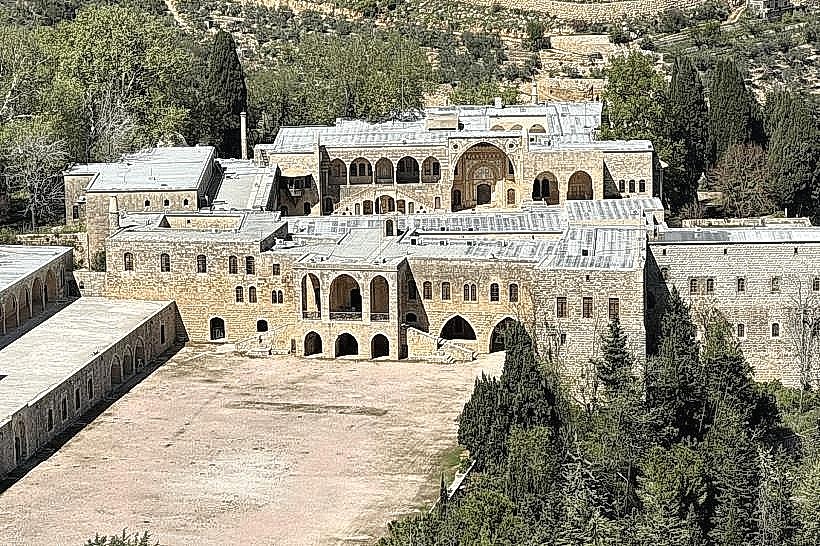
The Beiteddine Palace is a monumental 19th-century Lebanese palace complex located on a mountain terrace in the village of Beiteddine within the Chouf District of Mount Lebanon. It stands as the premier historical monument of Lebanese emirate architecture, reflecting a fusion of traditional Levantine craftsmanship, Damascene interior styling, and Italian Baroque influences.
Visual Characteristics
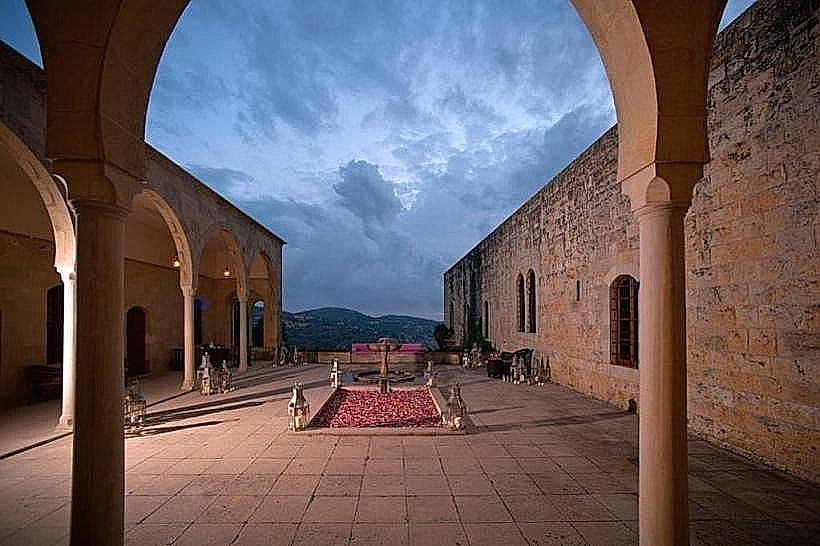
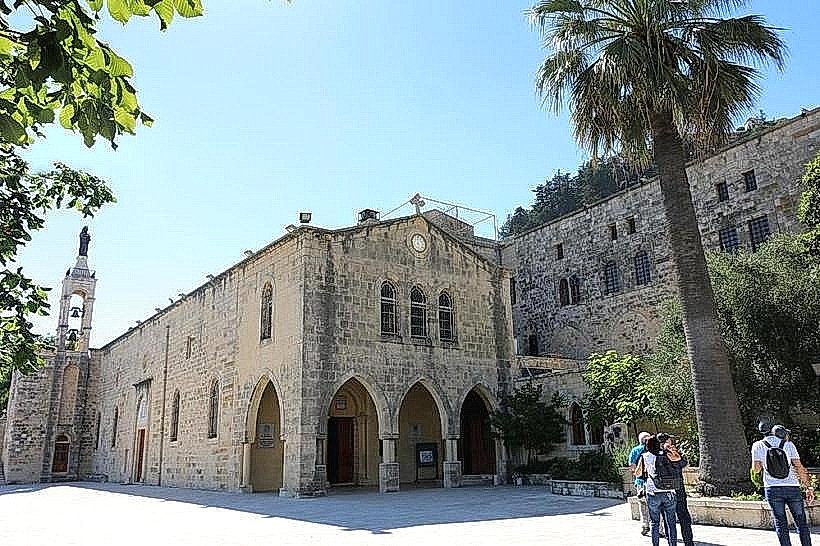
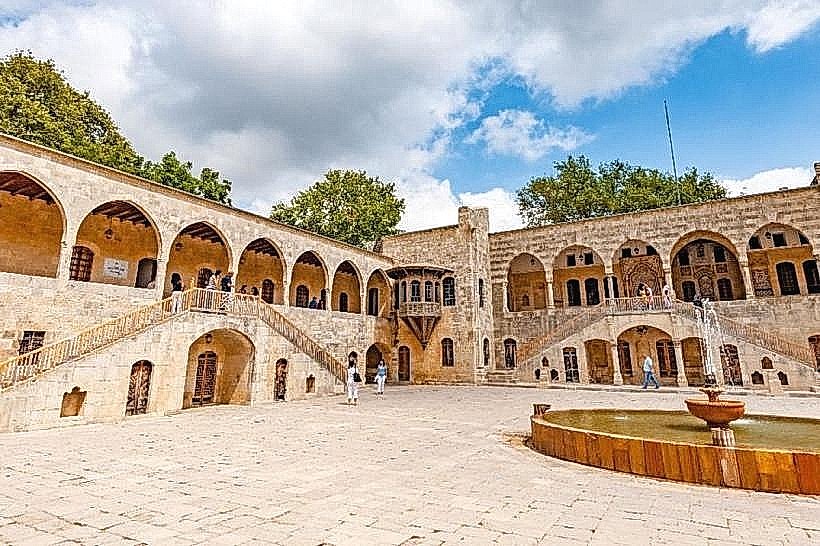
The palace complex is defined by its grand scale, featuring three expansive limestone courtyards surrounded by vaulted galleries, arcades, and multi-story residential wings. The construction utilizes fine local cream and ochre limestone blocks. The interior architecture is characterized by intricate geometric wood carvings, painted ceilings, inlaid polychrome marble floors, and elegant pointed arches supported by slender twin columns. The complex is physically tiered into the mountainside, featuring grand reception halls (diwans), a monumental double-staircase entry, and an extensive, subterranean vaulted stable network, all set against a backdrop of manicured terraced gardens and mountain vistas.
Location & Access Logistics
The palace is situated on the main Beiteddine Highway at an elevation of roughly 850 meters above sea level, approximately 45 kilometers southeast of Beirut. Access from Beirut is via the South Coastal Highway to the Damour intersection, turning east onto the winding, two-lane asphalt mountain highway that ascends through Deir el-Qamar directly to Beiteddine. A large, paved municipal parking lot is available immediately outside the main outer gate. Public transportation options are limited; visitors can take a shared minivan from Beirut’s Charles Helou or Cola intersections toward the Chouf region, though hiring a private taxi or joining an organized tour is the standard method for direct access.
Historical & Ecological Origin
Construction of the palace was initiated in 1788 by Emir Bashir Shihab II, the ruler of the Mount Lebanon Emirate, who sought to move his administrative seat away from the traditional capital of Deir el-Qamar. The project took over 30 years to complete, utilizing the finest master builders, stonecutters, and decorators from Damascus and Aleppo alongside European architects. Following the Emir’s exile in 1840, the building was used by the Ottoman administration as a government seat, later served as a military barracks during the French Mandate, and was designated as the official summer residence of the Lebanese President following independence in 1943. Geologically, it rests on a rugged limestone mountain ridge surrounded by deep valleys and oak forests.
Key Highlights & Activities
Exploring the outer courtyard (Dhar el-Midan), which was historically used for horse racing, military parades, and public assemblies.
Examining the intricate marble mosaics, central fountains, and painted wooden ceilings within the private apartments and reception rooms of the inner courtyard (Dar el-Harem).
Viewing the exceptionally preserved 19th-century palace hammam (bathhouse) complex, featuring multi-domed ceilings punctured by colored glass apertures.
Inspecting the vast collection of Byzantine floor mosaics salvaged from the coastal ruins of Jiyyeh, permanently displayed inside the vaulted stables.
Infrastructure & Amenities
The palace operates as a fully managed national museum and heritage site, equipped with a centralized ticketing booth, descriptive historical plaques, and public restrooms. The thick indoor stone walls and shaded vaulted galleries provide moderate interior temperatures even during peak daylight hours. Cellular network signal coverage is stable, with operational 4G and 5G connectivity delivered across the mountain ridge by carriers Alfa and Touch. While dining inside the historical complex is prohibited, several traditional Lebanese restaurants, cafes, and souvenir shops operate immediately outside the main perimeter walls.
Best Time to Visit
The recommended months for a visit are April through June and September through November to experience clear mountain weather and avoid winter snow blockages or heavy fog. The palace opens daily to the public from 9:00 AM to 6:00 PM (with shorter hours during winter). The optimal time of day for photography is mid-morning, around 10:00 AM, when directional sunlight illuminates the main courtyards and highlights the intricate stone reliefs without casting harsh, overhead shadows across the vaulted loggias.
Facts & Legends
A verified historical oddity is that Emir Bashir II was so intensely focused on the exclusivity and perfection of his palace that local lore long claimed he ordered the hands of the master architect amputated upon completion to ensure the design could never be replicated anywhere else in the Levant. A verified engineering feat was the construction of a specialized 16-kilometer-long stone aqueduct channel that tapped into the mountain springs of the Safa River, ensuring a continuous gravity-fed supply of fresh water to power the palace's numerous decorative fountains and extensive bathhouses.
Nearby Landmarks
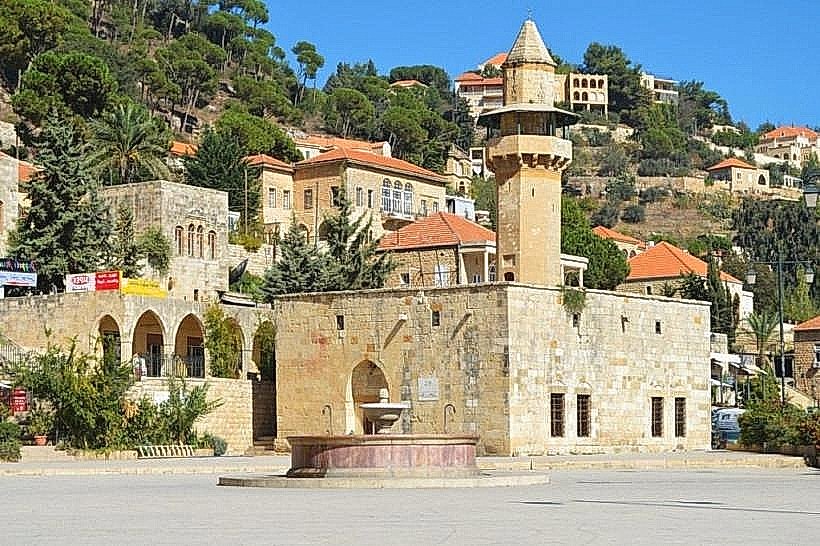
Deir el-Qamar Historic Town: 5.0km Northwest
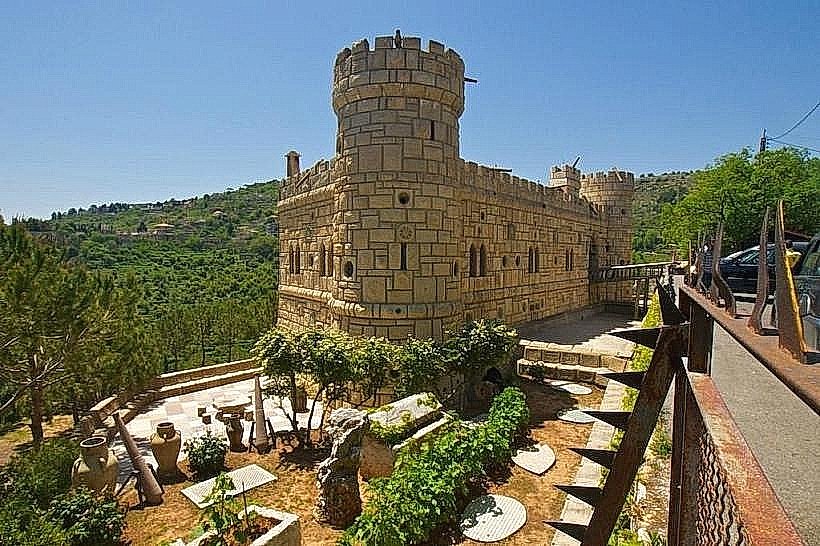
Moussa Castle: 1.5km Northwest
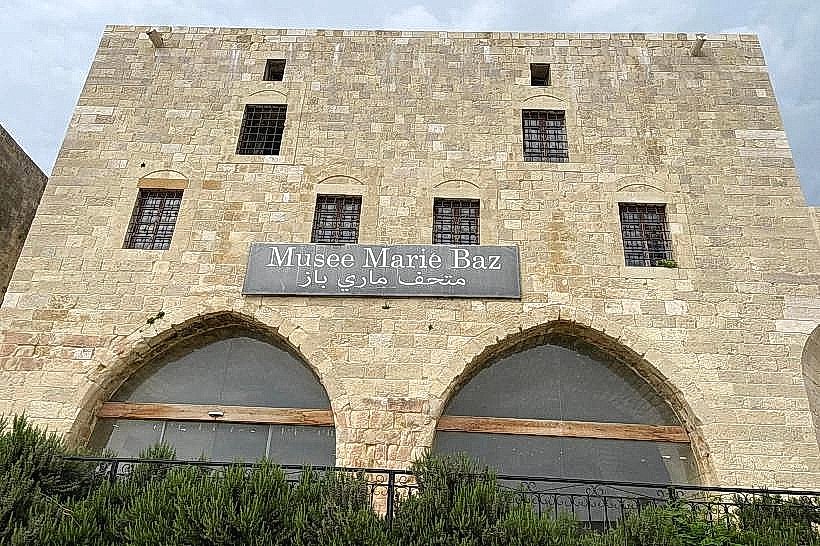
Marie Baz Wax Museum: 5.1km Northwest
Mir Amin Palace (Boutique Hotel): 1.2km Southeast
Barouk Cedars Reserve: 14.5km Northeast