Landmark: Youssef Chehab Palace
City: Beiteddine
Country: Lebanon
Continent: Asia
Youssef Chehab Palace, Beiteddine, Lebanon, Asia
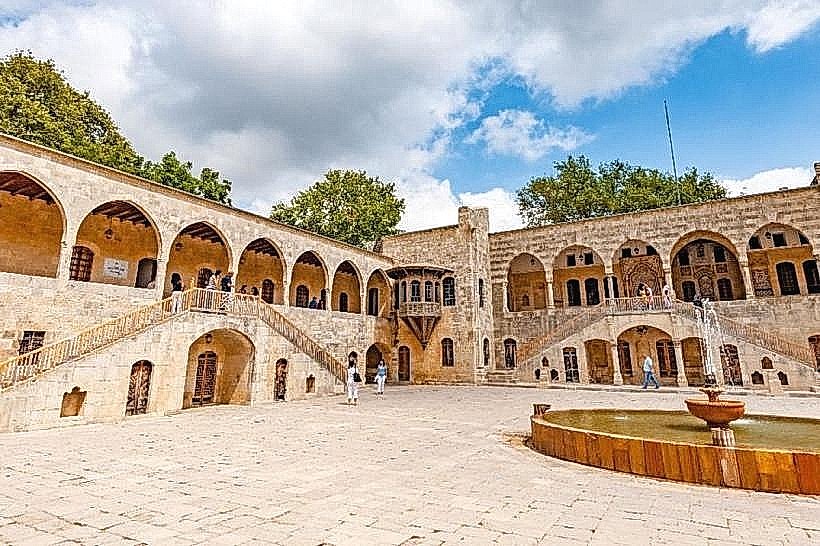
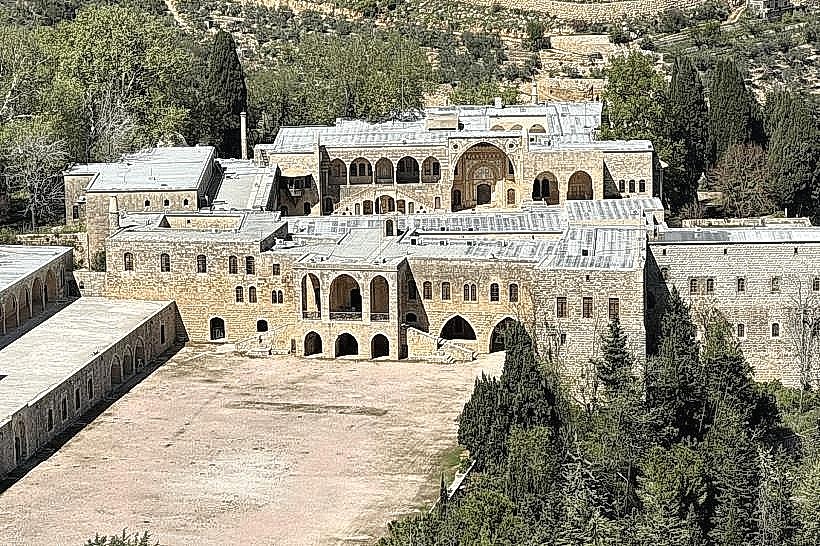
The Youssef Chehab Palace is a historic administrative and residential complex situated in the center of Deir el Qamar within the Chouf District of Lebanon. It currently serves as the municipal headquarters of the town and stands as a primary example of 18th-century Lebanese palace architecture.
Visual Characteristics
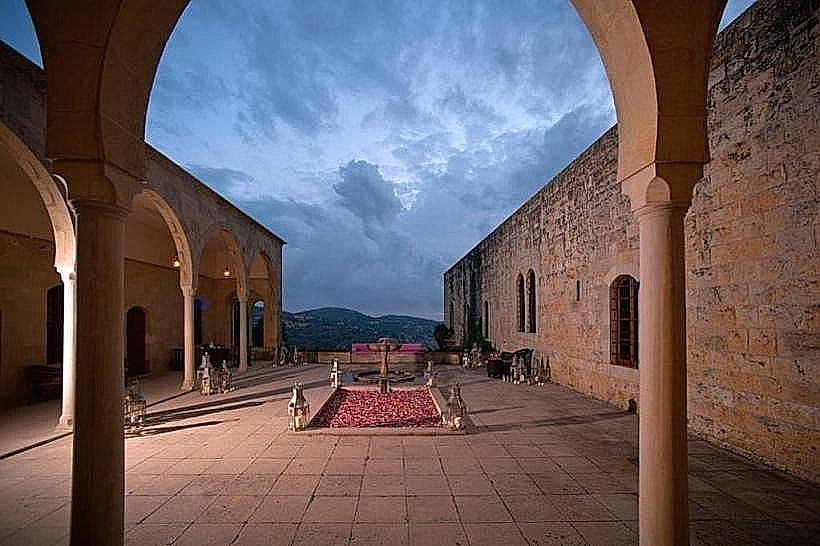
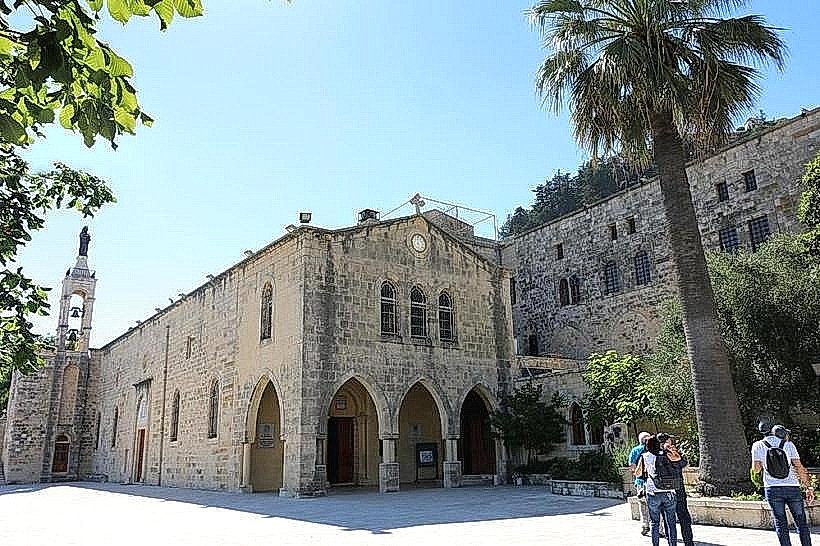
The palace is built entirely from local yellow limestone blocks and features a heavy stone facade typical of the Shihab dynasty era. The architecture incorporates elements of traditional Levantine design, including a monumental arched entrance portal, vaulted interior corridors, and high stone staircases. The upper floor contains classic triple-arched mandaloun windows with slender marble columns, while the lower level is defined by thick structural walls and cross-vaulted rooms opening onto an inner courtyard area.
Location & Access Logistics
The structure is positioned on the northern side of the main public square (Dany Chamoun Square) in Deir el Qamar, approximately 44 kilometers from the center of Beirut. Access is via the Beirut-Damour coastal highway, transitioning to the primary mountain road ascending into the Chouf mountains. Vehicular parking is restricted to the designated public spaces around the main town square. Public transportation options are limited to shared mini-vans or regional service taxis departing from the Cola intersection in Beirut.
Historical & Ecological Origin
The palace was commissioned and constructed in the early 18th century by Emir Youssef Chehab, who ruled the region during the transition of power from the Maan dynasty to the Shihab dynasty. It was originally built to function as a fortified private residence and a seat of regional governance for the Emir's administration. Following the end of the emirate period, the building was repurposed to house civic institutions and now functions as the municipal hall of Deir el Qamar.
Key Highlights & Activities
Visitors can observe the preservation of the stone masonry, the decorative carvings around the window frames, and the layout of the central reception halls. Because the building houses working municipal offices, public access to certain interior chambers is regulated during administrative hours. The exterior courtyard and main facade are fully visible for architectural study from the public square.
Infrastructure & Amenities
Restroom facilities are available for public use inside the municipal palace during operating hours, with additional options located in nearby commercial properties. Shade is provided by the deep stone alcoves and the shadows cast by the palace walls into the adjoining lanes. Cellular network coverage (4G/5G) is stable throughout the immediate area. Numerous commercial establishments, including snack bars, traditional bakeries, and restaurants, operate within 100 meters of the building.
Best Time to Visit
The optimal time for exterior architectural photography is during the early afternoon, when the position of the sun fully illuminates the southern facade and the intricate stone window structures. The months from May through October offer optimal weather conditions for the region, avoiding the dense low-lying fog and rain characteristic of the winter season in Mount Lebanon.
Facts & Legends
A verified historical detail of the palace is that its structural design deliberately minimized ground-floor windows facing the exterior streets, an architectural security choice intended to protect the Emir and his staff from sudden regional skirmishes or sieges during the unstable political landscape of 18th-century Mount Lebanon.
Nearby Landmarks
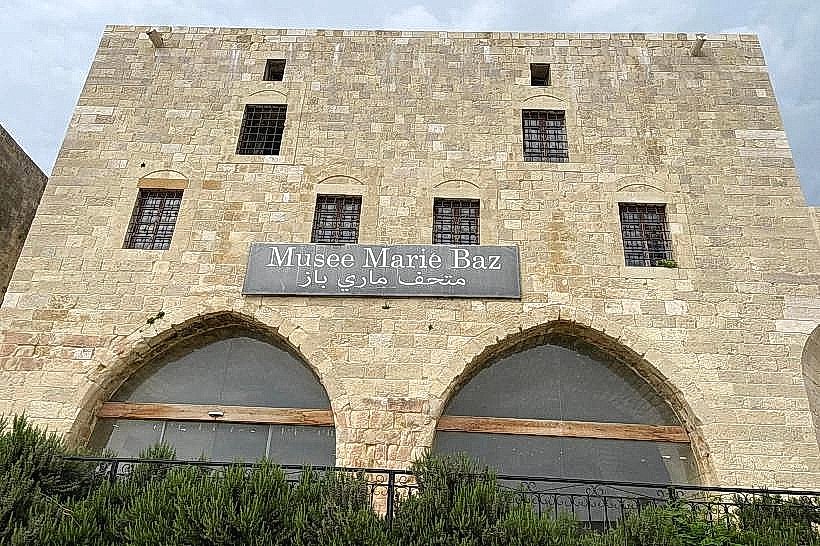
Marie Baz Wax Museum: 0.1km Southwest
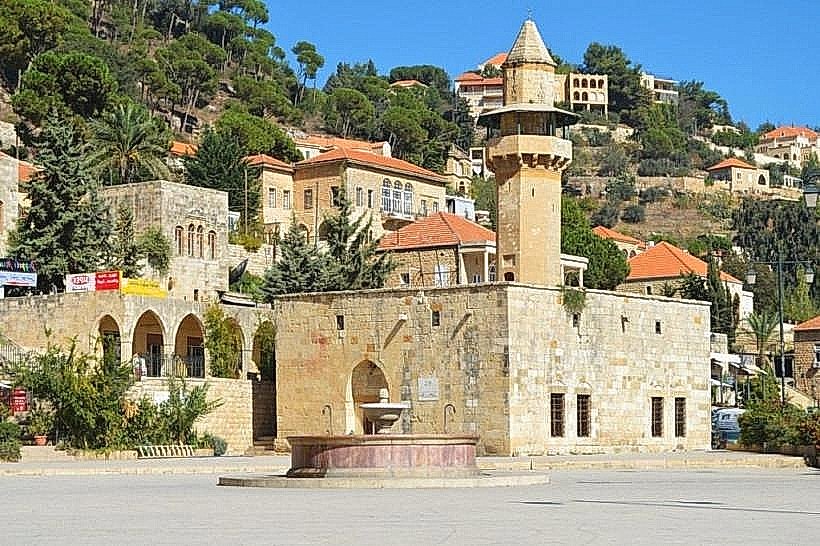
Fakhreddine Mosque: 0.12km Southwest
Silk Khan (Kaysariyya): 0.15km South
Saydet et-Talle Church: 0.35km Southeast