Landmark: Moussa Castle
City: Beiteddine
Country: Lebanon
Continent: Asia
Moussa Castle, Beiteddine, Lebanon, Asia
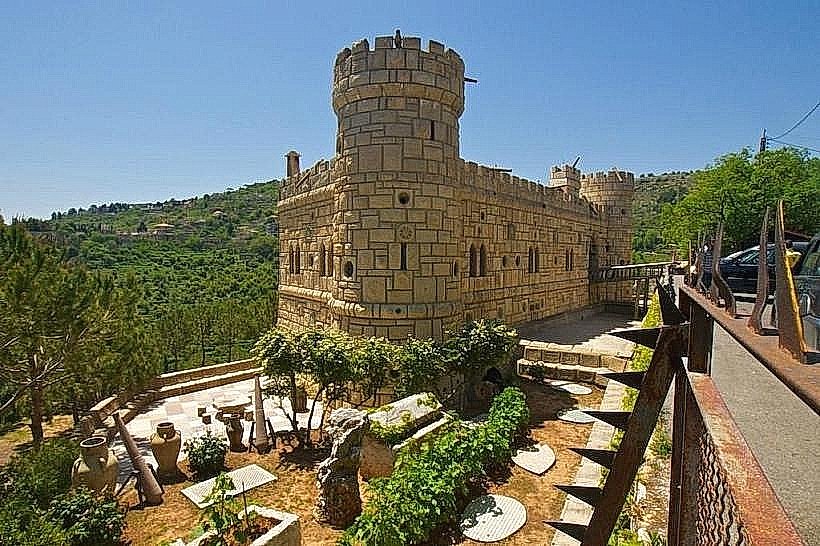
Moussa Castle is a twentieth-century fortress and cultural museum situated along the mountain highway connecting Deir el-Qamar and Beiteddine in the Chouf District of Mount Lebanon. The site stands as a lifework monument built entirely by a single individual, Moussa Abdel Karim Al-Maamari, representing a personalized interpretation of medieval military architecture.
Visual Characteristics
The castle features a distinct, non-traditional fortress silhouette constructed from hand-carved limestone blocks. The exterior is defined by crenellated defensive walls, circular corner watchtowers, and a functional dry moat accessed via a wooden drawbridge. The architecture diverges from classical medieval engineering rules, presenting a highly stylized and eccentric appearance. The interior layout spans multiple subterranean and elevated levels, characterized by low-ceilinged stone corridors, spiraling stairways, and expansive exhibition halls filled with hand-sculpted clay dioramas and mechanized figurines dressed in historic attire.
Location & Access Logistics
The facility is positioned directly on the Beiteddine Highway, approximately 43 kilometers southeast of Beirut and 1.5 kilometers northwest of the Beiteddine Palace. Access from Beirut follows the South Coastal Highway to the Damour junction, turning east onto the two-lane mountain highway that climbs through Deir el-Qamar. A designated asphalt parking strip runs directly along the highway shoulder outside the main entrance gate. Public transport minivans from Beirut’s Cola intersection operating toward the Chouf region stop directly at the castle gates upon request, though private vehicular transit or organized tour buses represent the primary means of transport.
Historical & Ecological Origin
The construction process was initiated in 1962 by Moussa Al-Maamari and continued independently for nearly 60 years until his death in 2018. Al-Maamari hand-carved and positioned every single stone block block by block, financing the project through personal labor and early tourist admission fees. The structure sits on a prominent mountain ledge at an elevation of approximately 800 meters above sea level. The building materials were quarried locally from the Cretaceous limestone strata of the Chouf mountain ridges, designed to withstand regional alpine winter conditions and seismic shifts.
Key Highlights & Activities
Exploring the ethnographic halls featuring hundreds of life-sized moving clay figures that demonstrate traditional Lebanese village trades, textiles, and domestic customs.
Inspecting the extensive private weapon collection spanning the Ottoman, French Mandate, and early independence eras, which includes antique flintlock rifles, ornate daggers, and sabers.
Crossing the wooden drawbridge and examining the intricate personal symbols carved directly into individual external masonry blocks by the builder.
Viewing the private living quarters and the historical biographical exhibits detailing the step-by-step construction chronology of the complex.
Infrastructure & Amenities
The castle is operated as a private museum complex with a centralized ticketing booth and public restrooms. The interior stone chambers provide continuous insulation against outdoor weather extremes. Mobile cellular signal coverage is consistent across the site, with 4G and 5G connectivity delivered by regional operators Alfa and Touch. A specialized souvenir shop selling local handicrafts, replica artifacts, and regional snacks is located inside the exit hall, while full service dining options are accessible along the connecting highway toward Beiteddine.
Best Time to Visit
The ideal months for a visit are April through June and September through November to avoid intense winter fog and occasional mountain snow blockages along the high highway passes. The museum is open daily to visitors from 10:00 AM to 4:00 PM. The optimal time of day for architectural photography is early afternoon, when the sun directly illuminates the northern facade and the circular towers, minimizing the deep shadows cast by the adjacent mountain terrain.
Facts & Legends
The verified historical motivation behind the castle stems from a real childhood trauma experienced by Moussa Al-Maamari in 1945, when his schoolteacher mocked his poverty and beat him after he was caught daydreaming and sketching a castle on a scrap of paper, telling him he would never achieve anything in life; the teacher explicitly stated he would never own a house, let alone a fortress. Al-Maamari preserved the exact sketch and later invited his old teacher to visit the completed stone fortress as an adult, validating his lifelong architectural obsession as a direct response to scholastic rejection.
Nearby Landmarks
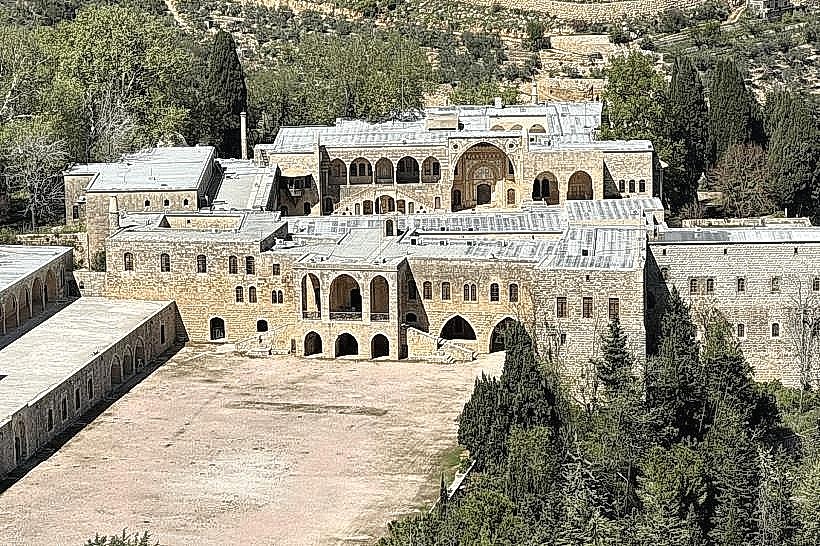
Beiteddine Palace: 1.5km Southeast
Mir Amin Palace (Boutique Hotel): 2.7km Southeast
Deir el-Qamar Historic Town: 3.5km Northwest
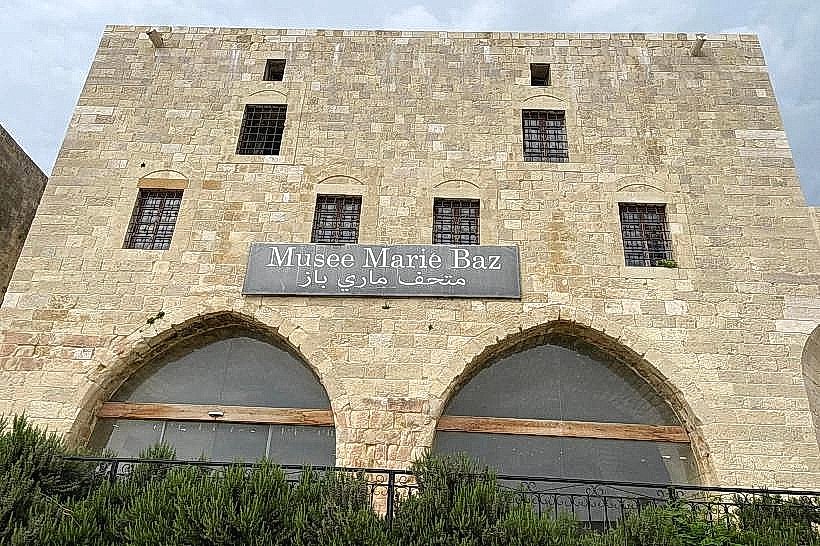
Marie Baz Wax Museum: 3.6km Northwest
Barouk Cedars Reserve: 15.5km Northeast