Landmark: Marie Baz Wax Museum
City: Beiteddine
Country: Lebanon
Continent: Asia
Marie Baz Wax Museum, Beiteddine, Lebanon, Asia
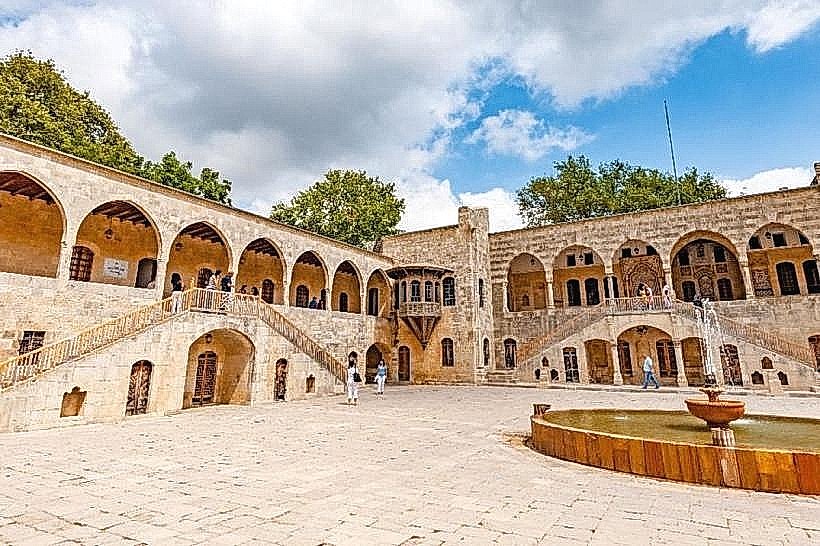
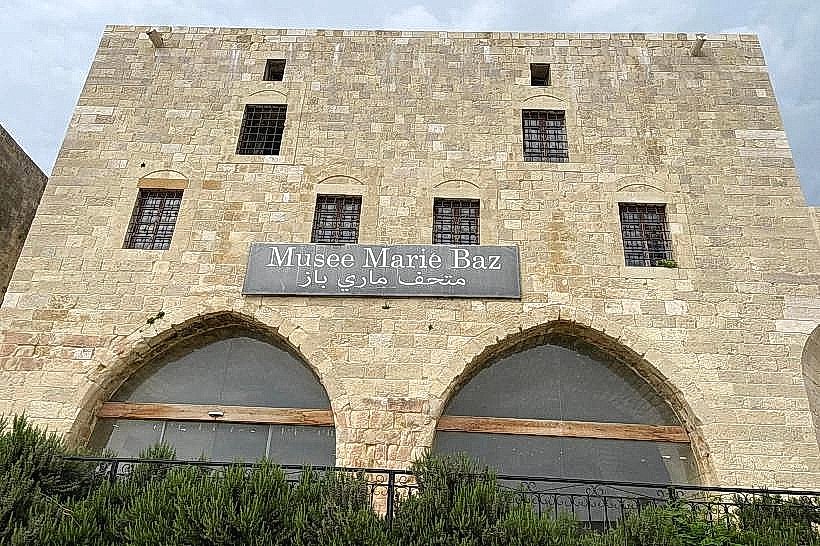
The Marie Baz Wax Museum is a specialized historical museum located inside the 16th-century Seraglio of Emir Fakhreddine II in the mountain village of Deir el Qamar, Lebanon. It houses a curated collection of lifelike wax sculptures detailing major political, cultural, and military figures who influenced Lebanese history from the Maan dynasty to the modern era.
Visual Characteristics
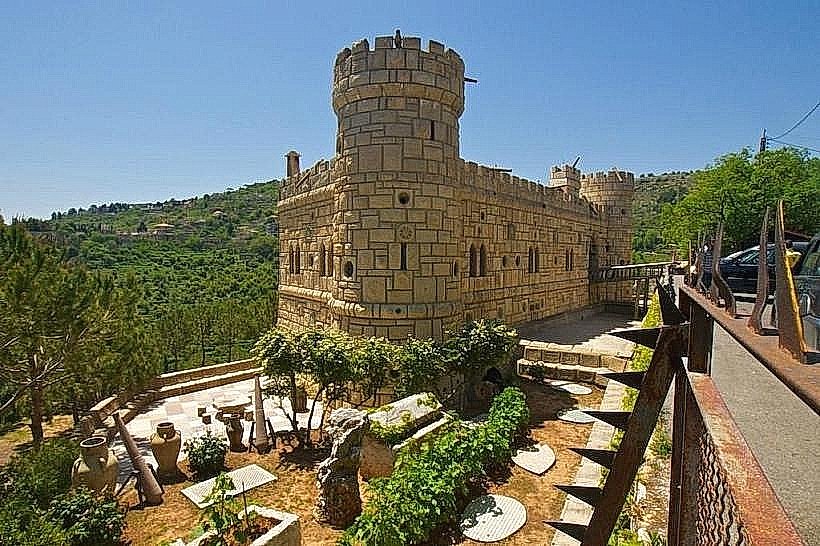
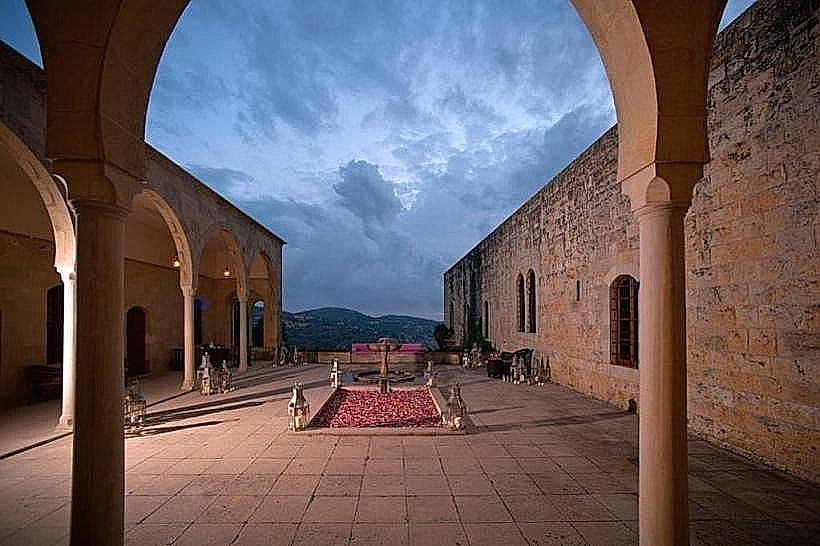
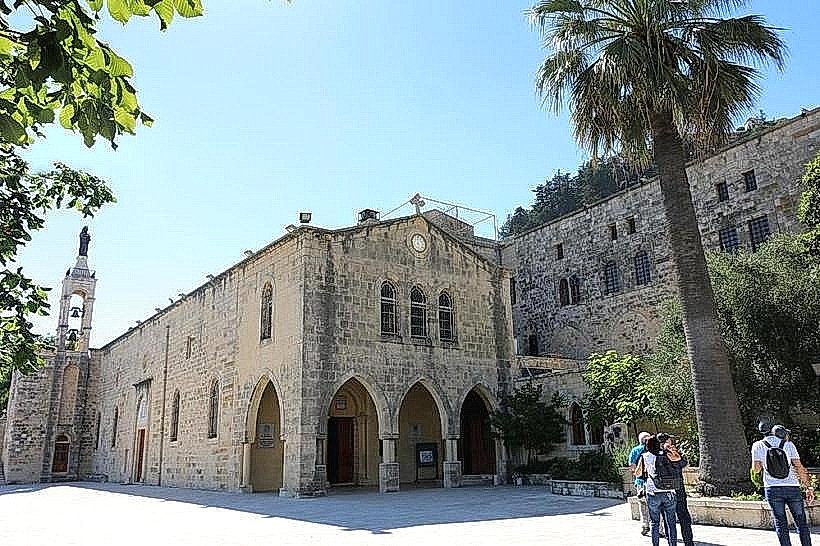
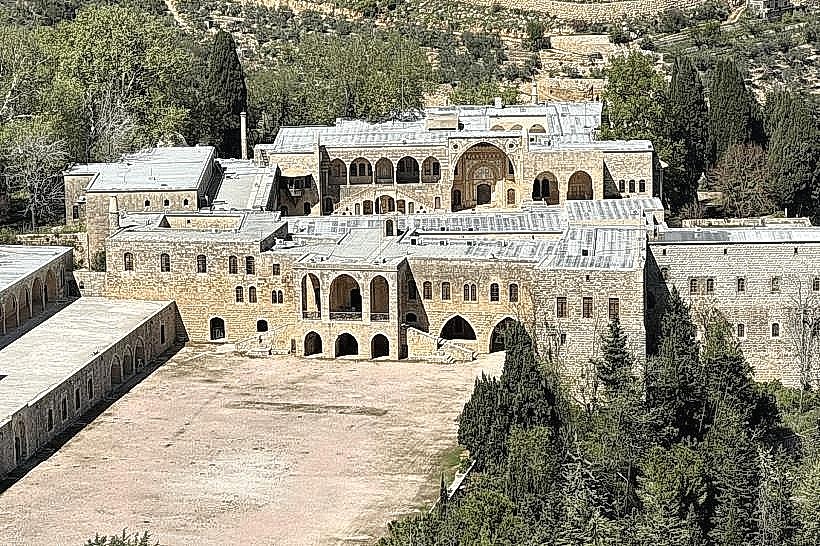
The museum is housed within a traditional "Khan-style" stone palace constructed from regional yellow limestone blocks. The architecture features heavy stone arches, thick defensive walls, a central open-air inner courtyard with a stone water basin, and low vaulted rooms arranged across two main levels. Inside the dimly lit halls, more than 40 custom-fabricated wax figures are arranged in historical tableaus, dressed in period-accurate attire including Ottoman-era silk robes, military uniforms, and traditional Lebanese mountain garb.
Location & Access Logistics
The facility is situated directly on the main public square (Dany Chamoun Square) in the center of Deir el Qamar, approximately 44 kilometers southeast of Beirut. Drivers can access the town via the main coastal highway to Damour, followed by the uphill mountain route toward the Chouf District. Limited public street parking is available around the perimeter of the square. Public transportation is accessible via shared service taxis or mini-vans departing from the Cola transport hub in southern Beirut directly to Deir el Qamar.
Historical & Ecological Origin
The building hosting the museum was originally constructed in the late 16th century as a palace residence and administrative administrative base for Emir Fakhreddine II Maan during the period when Deir el Qamar served as the capital of Mount Lebanon. Centuries later, the palace came into the possession of the prominent local Baz family. In the late 20th century, Samir Emile Baz converted the ancestral palace into a museum, commissioning specialized sculptors in France to craft the wax models in collaboration with the Musée Grévin in Paris.
Key Highlights & Activities
Visitors can conduct self-guided or guided walkthroughs of the two floors to observe the representations of historical Emirs, state presidents, religious patriarchs, and regional militia commanders. Photography of the figures and the medieval palace interiors is permitted. The upper level provides access to an outdoor stone terrace overlooking the village square and the surrounding Chouf mountains.
Infrastructure & Amenities
The museum does not contain independent public restrooms, but facilities are available in the municipal buildings and commercial establishments situated directly across the main square. Shaded resting points are provided inside the stone vaulted galleries and within the central courtyard. Cellular signal strength for local 4G networks is reliable throughout the property. A small café is operated on the museum grounds, and multiple Lebanese restaurants, bakeries, and markets are located within a 50-meter walking radius.
Best Time to Visit
The museum maintains regular daily operating hours throughout the week, with morning hours between 09:30 and 12:00 offering lower foot traffic. Natural lighting for exterior photography of the palace courtyard and balconies is optimal during midday when the sun is directly overhead. The dry months from May to October provide clear road conditions and comfortable temperatures for traveling into the elevated Chouf region.
Facts & Legends
A verified historical detail regarding the collection is that the museum deliberately extends its exhibits past the mid-20th century to visually represent the political leaders and events of the Lebanese Civil War (1975–1990), a period largely excluded from standard national school textbooks. Among the notable figures displayed is Gergiz Baz, a prominent 19th-century ancestor of the museum’s founder who served as a highly influential minister to Emir Bashir Shihab II.
Nearby Landmarks
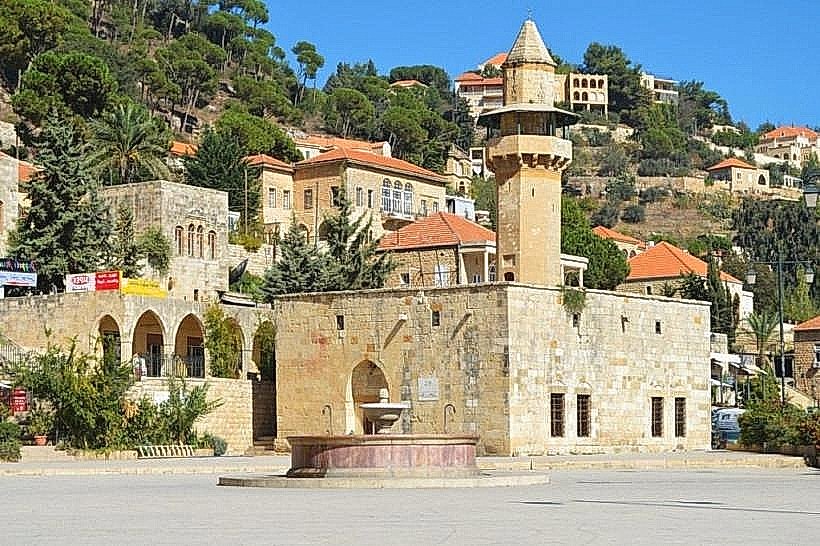
Fakhreddine Mosque: 0.05km East
Youssef Shehab Serail (Municipal Council): 0.1km Northeast
Silk Khan (Kaysariyya): 0.15km East
Saydet et-Talle Church: 0.35km Southeast