Landmark: Burial Mound of the Serer Kings
City: Fatick
Country: Senegal
Continent: Africa
Burial Mound of the Serer Kings, Fatick, Senegal, Africa
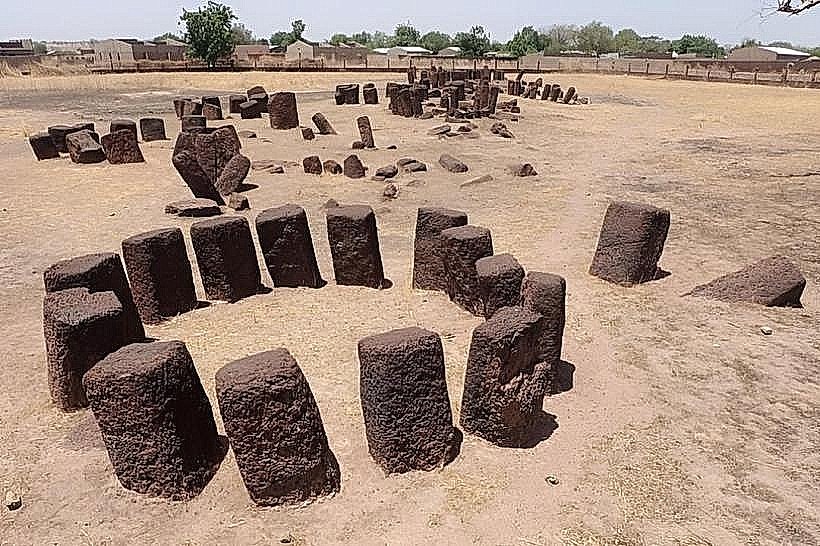
The Burial Mound of the Serer Kings, specifically the monumental tumuli found in regions like Diakhao, represents the funerary architecture of the pre-colonial Serer Kingdom of Sine. These mounds serve as the final resting places for the "Maad a Sinig" (Kings of Sine) and are central to the historical and spiritual identity of the Serer people.
Visual Characteristics
The landmark consists of a large, circular earthen mound rising several meters above the surrounding flat savanna. The exterior is typically covered in dry grass, sparse shrubs, and occasionally reinforced with local stones at the base to prevent erosion. Unlike Egyptian pyramids, these are rounded, hemispherical structures that blend into the natural topography, often located beneath the shade of ancient baobab trees which are themselves considered sacred.
Location & Access Logistics
The primary royal tumuli are located in and around the town of Diakhao, the former capital of the Sine Kingdom, in the Fatick Region. Diakhao is situated off the N1 highway, approximately 45km north of Fatick and 35km west of Kaolack. Access is via paved regional roads, though the final approach to specific mounds often involves unpaved sandy tracks. Local taxis and "sept-place" bush taxis from Fatick or Kaolack provide the most reliable transport to the site.
Historical & Ecological Origin
These mounds date back several centuries, with the tradition of tumulus burial being a hallmark of Serer culture long before the widespread adoption of Islam or Christianity in the region. Each mound was constructed by piling earth over a central burial chamber. Historically, kings were buried with significant grave goods and, in ancient times, were sometimes accompanied by servants or family members to assist them in the afterlife, reflecting indigenous Serer cosmological beliefs.
Key Highlights & Activities
Visitors can engage in guided walking tours to learn about the lineage of the Maad a Sinig and the specific rituals associated with royal succession. The site is primarily used for historical commemoration and traditional religious ceremonies. Observation of the unique "Baobab of the Kings" and the nearby ruins of the royal palace provides a comprehensive view of the kingdom's administrative and spiritual heart.
Infrastructure & Amenities
Infrastructure at the burial sites is minimal. There are no visitor centers, public restrooms, or paved walkways. Shade is provided naturally by large baobab and neem trees. 4G cellular signal is generally available due to the proximity to the town of Diakhao. There are no food or water vendors at the mounds themselves, so supplies must be purchased in the village center.
Best Time to Visit
The best time to visit is during the dry season from November to June when the dirt paths are easily traversable. For photography, early morning (08:00–10:00) or late afternoon (16:30–18:00) provides the best lighting to emphasize the contours of the mounds. Visiting during the annual cultural festivals of the Serer people offers a chance to see the site in its living ritual context.
Facts & Legends
According to Serer legend, the mounds are protected by the "Pangool" (ancestral spirits), and it is strictly forbidden to climb them or remove earth from the site. A verified historical oddity is that the burial chambers were often built using the durable wood of the Prosopis africana tree, which has allowed some underground structures to remain intact for centuries despite the subterranean humidity.
Nearby Landmarks
Royal Palace of Diakhao Ruins – 0.5km North
Sacred Baobab of Diakhao – 0.3km East
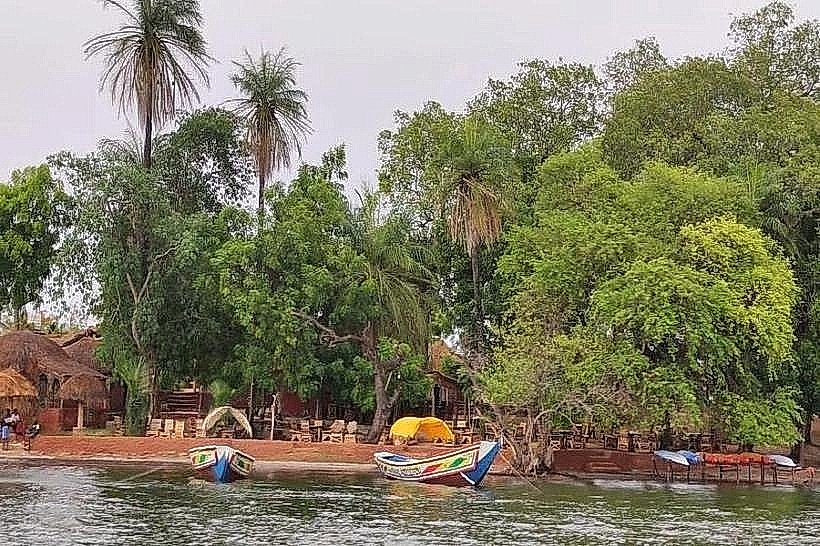
Sine River Banks – 4.0km South
Fatick City Center – 45.0km Southwest