Landmark: Chateau Kefraya
City: Zahle
Country: Lebanon
Continent: Asia
Chateau Kefraya, Zahle, Lebanon, Asia
The Chateau Kefraya is a prominent commercial estate and winery situated on the rolling hillsides of the West Beqaa region, within the West Bekaa District of the Beqaa Governorate, Lebanon. Spanning an uninterrupted 300-hectare property, it stands as one of the largest and most architecturally distinct viticultural landmarks in the Levant, producing estate-grown wines exported internationally.
Visual Characteristics
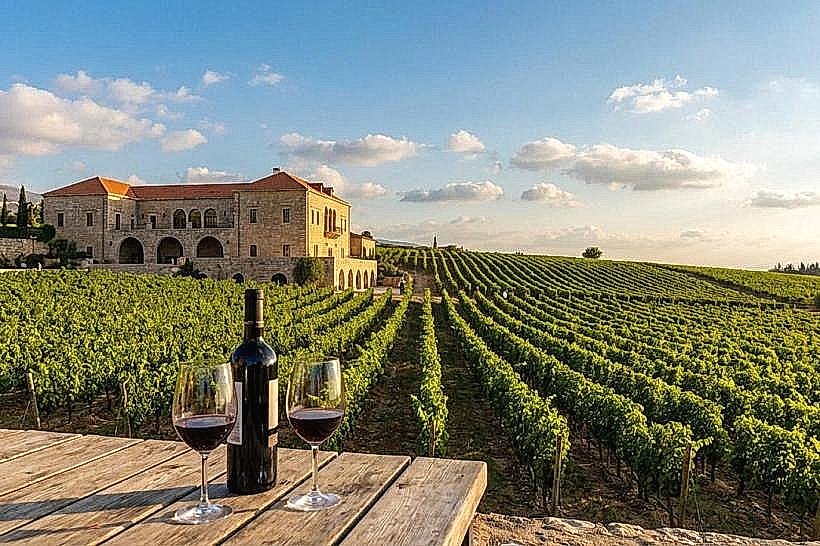
The central estate features a large, traditional Levant-style mansion built from local ochre-colored limestone, topped with classic red-tiled roofs and accented by stone arches and wide arcaded balconies. The surrounding landscape is defined by vast, meticulously manicured vineyards that drape across undulating hillsides at the foot of Mount Barouk. The agricultural parcels present a striking geometric grid pattern, alternating between distinct vine varieties. The interior hosting facilities feature high vaulted ceilings, stone fireplaces, and an open-plan tasting room with panoramic windows looking out over the cultivated valley floor.
Location & Access Logistics
The winery is positioned near the village of Kefraya, approximately 65 kilometers southeast of Beirut and 20 kilometers south of Chtaura. Access from the capital is via the international Beirut-Damascus highway, crossing the Mount Lebanon ridge into the Beqaa Valley, and turning south at the Chtaura junction onto the primary West Beqaa highway toward Ammiq and Kefraya. The estate provides a large, secure, paved private parking facility near its main entrance gate. Public transport to this specific rural sector is highly irregular, requiring visitors to secure private vehicular transport or hire a regional taxi from Zahle or Chtaura to reach the estate grounds.
Historical & Ecological Origin
The estate was established by Michel de Bustros, who initiated the structural clearing and initial vine planting on his family's ancestral land in 1951. Despite the complications of regional conflicts, Chateau Kefraya built its own independent on-site production facility, completing its first successful commercial vinification harvest in 1979. Geologically, the expansive vineyards are situated at an altitude of 1,000 meters above sea level on a diverse soil matrix composed of clay-limestone, gravel, and sandy-silt deposits. This terroir sits directly above a deep limestone stratum that provides optimal natural drainage and mineral concentrations for deep-rooted vines.
Key Highlights & Activities
Primary activities include guided viticultural tours through the fields on an open-air track-less train, allowing visitors to observe individual micro-terroirs and the gravity-fed production facilities. Guests can explore the barrel cellars, inspect the historic French oak casks, and view the estate's private museum section displaying ancient pottery fragments discovered on the land. Specialized wine-tasting modules are conducted daily within the main salon, showcasing signature blends such as the Comte de M.
Infrastructure & Amenities
The facility features a highly developed tourism infrastructure, including a professional visitor center, automated ticketing checkpoints, separate tasting lounges, and modern public restroom installations. The property houses a high-end restaurant (Le Relais de Dionysos) specializing in wine-pairing gastronomy, along with an outdoor terrace shaded by mature oak and olive trees. Cellular network coverage (4G) is operational and stable across the core buildings and immediate tasting terraces, though signal strength fluctuates slightly out in the deeper, low-lying vineyard valleys.
Best Time to Visit
The absolute peak period for visitation is during the late summer harvest and crushing season, stretching from late August through October, when the vineyards are dense with foliage and active farming operations are underway. The optimal hours for landscape photography are early morning (08:00 to 10:00) or late afternoon, when the low sun casts deep contrast across the terraced vine rows. The estate remains operational year-round, but winter visits (December to March) face cold alpine winds and occasional heavy rain or light frost across the exposed valley floor.
Facts & Legends
A verified botanical and historical detail is that Chateau Kefraya strictly adheres to an estate-wine philosophy, meaning 100% of the grapes used in their entire wine production are exclusively grown, harvested, and bottled within their own physical 300-hectare geographic perimeter, ensuring total tracking control over the vintage composition. Local archaeological surveys conducted within the property lines revealed several intact Roman-era stone tombs and ancient rock-cut wine presses, confirming that the specific limestone hillsides of Kefraya have been systematically utilized for industrial viticulture for two millennia.
Nearby Landmarks
Ammiq Wetland Reserve: 9.5km North
Chateau St Thomas: 12.5km North
Qaraoun Dam and Lake: 14.0km South
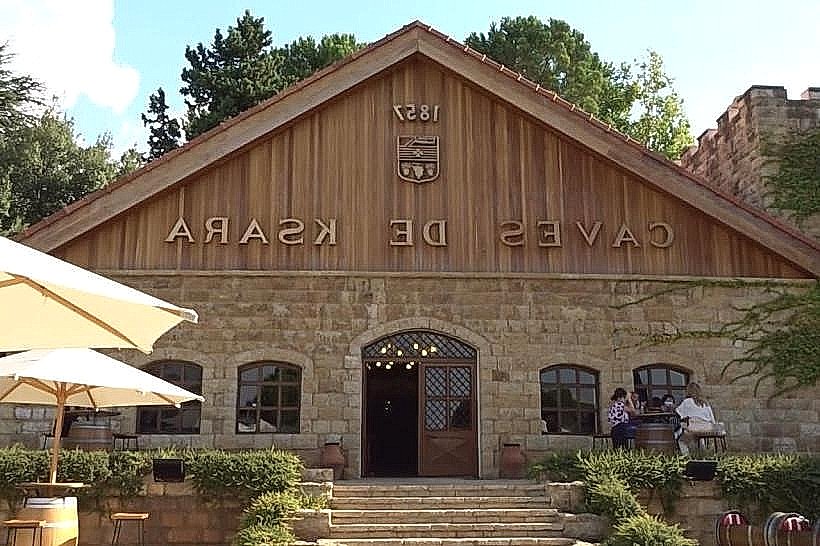
Chateau Ksara Caves: 22.0km North
Taanayel Lake and Eco-Farm: 16.5km Northeast