Landmark: Chateau Ksara Caves
City: Zahle
Country: Lebanon
Continent: Asia
Chateau Ksara Caves, Zahle, Lebanon, Asia
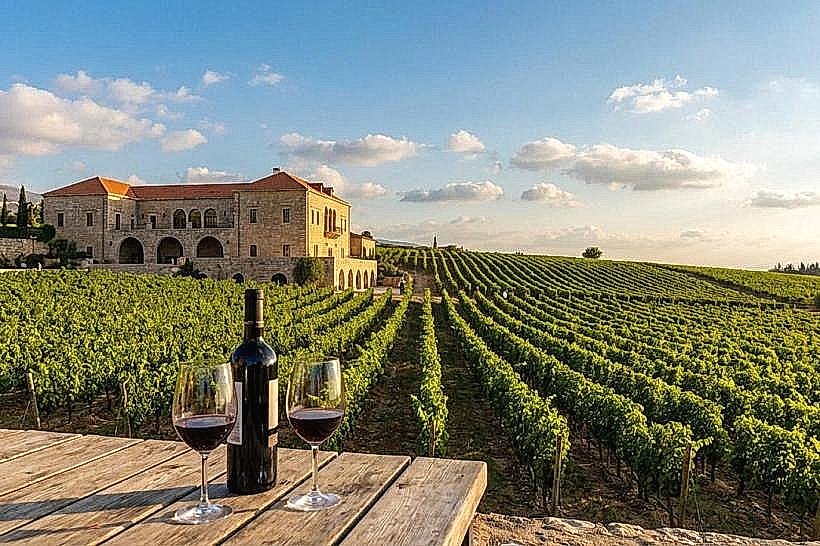
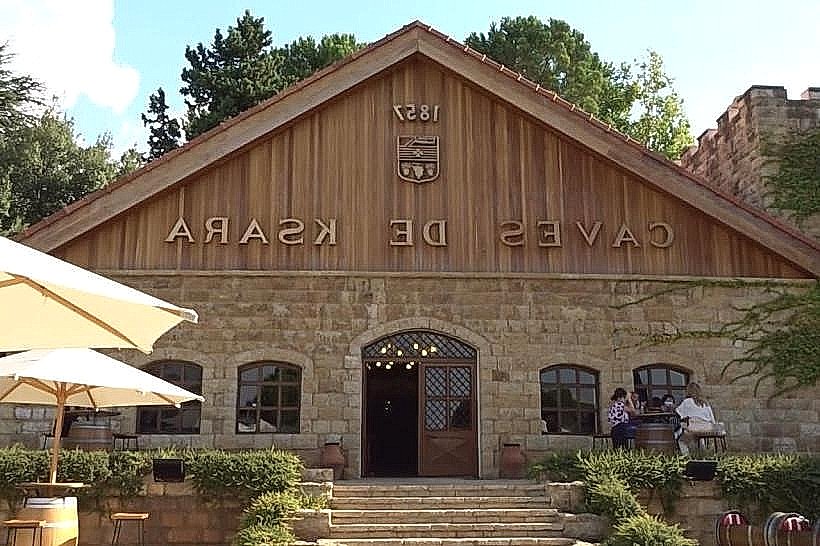
The Chateau Ksara Caves are an extensive network of ancient subterranean limestone tunnels located beneath the estate of Chateau Ksara, Lebanon’s oldest commercial winery, situated in the heart of the Zahle District within the Beqaa Governorate. The tunnels function as a natural, climate-controlled aging cellar holding tens of thousands of premium wine bottles, serving as a cornerstone of Lebanese viticultural heritage.
Visual Characteristics
The cave system comprises two kilometers of interconnected, low-ceilinged tunnels carved directly into dark grey and beige limestone bedrock. The interior environment is characterized by rough, unpolished stone walls showing visible tool marks, ancient geological fissures, and pockets of natural mineral crystallization. The layout is divided into specialized storage corridors lined with floor-to-ceiling iron racks holding dusty wine bottles, oak barrels, and private vintage reserves. The lighting is kept deliberately low via dim, warm incandescent bulbs to prevent light damage to the maturing wines.
Location & Access Logistics
The caves are situated on the grounds of the Chateau Ksara estate, located approximately 52 kilometers east of Beirut on the western outskirts of the city of Zahle. Drivers can access the winery from the capital via the primary international Beirut-Damascus highway, descending into the Beqaa Valley floor and turning north at the Chtaura junction toward Zahle. The estate features a secure, paved private parking lot at its main entrance. Public transit options include intercity minivans running from Beirut’s Cola intersection to central Zahle, where visitors can catch a local taxi for the remaining 2-kilometer transit to the winery gates.
Historical & Ecological Origin
The subterranean tunnels were originally carved during the Roman era for unknown storage or defensive purposes. They fell into obscurity until 1898, when Jesuit monks who had established the modern winery in 1857 rediscovered the network while attempting to track a fox that was preying on their poultry. Geologically, the caves are part of a natural solutional karst formation within Upper Cretaceous limestone layers. The unique thick bedrock insulation keeps the interior at a constant, unfluctuating temperature of 11°C to 13°C and an ideal humidity level of roughly 85% year-round, eliminating the need for artificial refrigeration.
Key Highlights & Activities
Primary activities focus on guided historical and educational tours through the underground labyrinth. Visitors can walk the main tunnels to observe rare, centuries-old vintages dating back to the early 20th century, including bottles preserved through both World Wars. The tour includes an architectural inspection of the Roman-hewn chambers, an explanation of the natural ventilation shafts, and a screening of a documentary film detailing the history of Lebanese winemaking, followed by a structured wine-tasting session in the estate's main salon above ground.
Infrastructure & Amenities
The modern winery complex above the caves is fully equipped with an upscale visitor center, professional tasting rooms, a retail boutique shop, a restaurant, and modern public restroom facilities. The caves themselves are fitted with smooth concrete pedestrian pathways, though the interior environment is damp and chilly, requiring appropriate footwear and outerwear. Cellular network coverage (4G/5G) is strong on the surface estate but drops completely once inside the deep stone tunnels.
Best Time to Visit
The estate and caves operate year-round, but the optimal months for a comprehensive experience are during the grape harvest season from late August through October, when visitors can witness the active sorting and crushing processes on the surface. Guided cave tours run continuously throughout the day. For photography, the outdoor vineyards and the traditional stone architecture of the main estate are best captured during the late afternoon hours.
Facts & Legends
A verified historical detail is that during World War I, the Jesuit monks used the absolute secrecy and physical security of these Roman tunnels to shelter local residents fleeing famine and military conscription, effectively turning the commercial wine cellar into a humanitarian refuge. A major archaeological highlight within the caves is the Médiathèque section, a strictly locked vault containing the rarest liquid archive in the Middle East, including intact, drinkable bottles from the 1918 harvest that are preserved under the original natural atmospheric parameters of the karst rock.
Nearby Landmarks
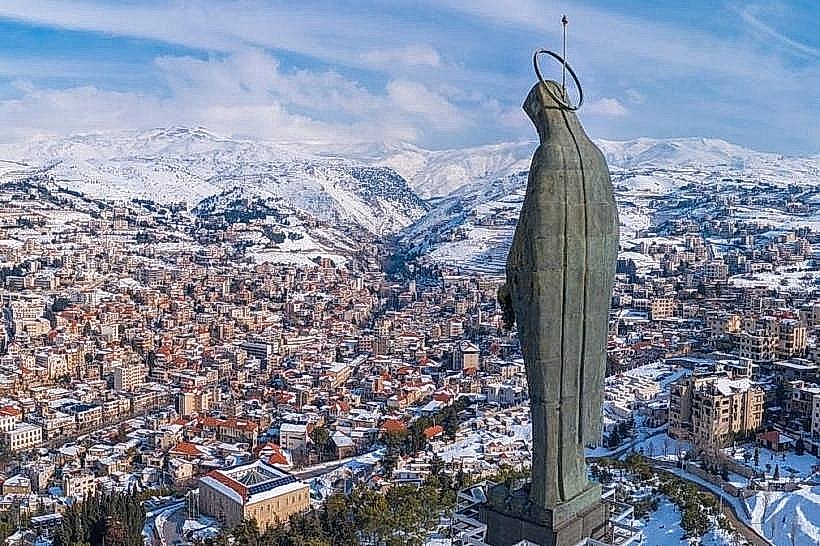
Our Lady of Zahle and Bekaa: 2.2km Northwest
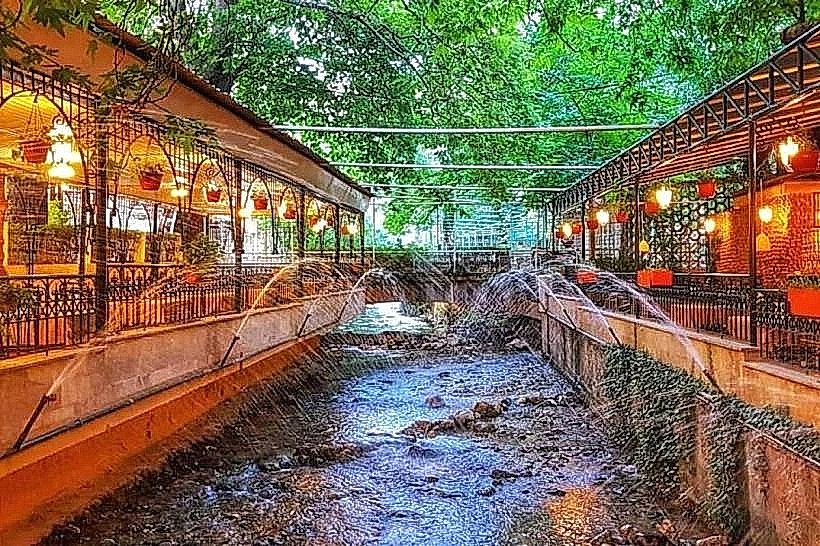
Berdawni River Restaurants: 2.8km North
Grand Serail of Zahle: 2.4km Northeast
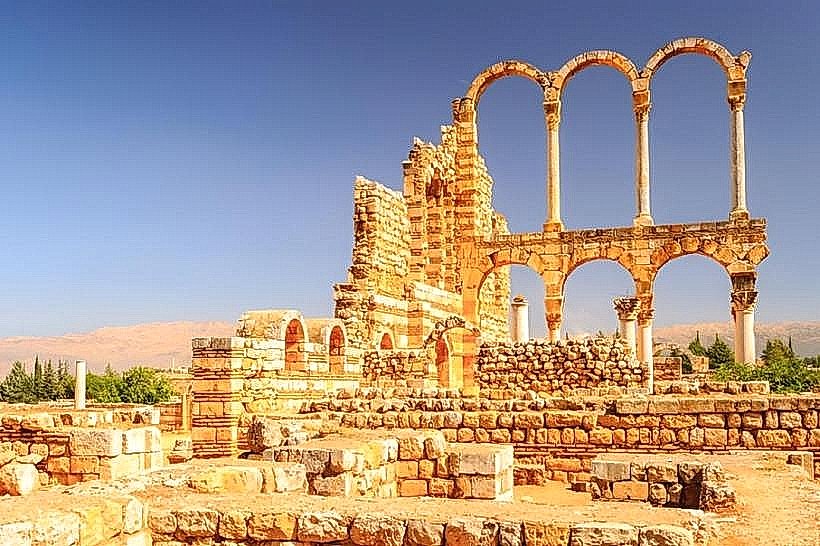
Umayyad Ruins of Anjar: 14.5km Southeast
Chateau St Thomas: 4.2km South