Landmark: Church of Sveta Petka
City: Kyustendil
Country: Bulgaria
Continent: Europe
Church of Sveta Petka, Kyustendil, Bulgaria, Europe
The Church of Sveta Petka (Saint Paraskeva) is a significant religious and architectural monument located in the central part of Kyustendil, Bulgaria. It is situated at the foot of the Hisarlaka hill, within the historic "Lozeto" district.
Visual Characteristics
The church is a small, single-nave, single-apse building with a semi-cylindrical vault. Its architecture is representative of the late medieval Bulgarian style, featuring thick stone walls and a red-tiled roof. The exterior is relatively austere, while the interior is characterized by a narrow, intimate space typical of the 16th and 17th-century "hidden" churches built during the Ottoman period.
Location & Access Logistics
The temple is located on Bacho Kiro Street, near the entrance to the Hisarlaka forest park. It is a 10-minute walk (800m) from the central Macedonia Square. Access is via a paved pedestrian path and a short flight of stone stairs. While there is no dedicated parking lot at the church, street parking is available on the nearby Tsar Osvoboditel Boulevard.
Historical & Ecological Origin
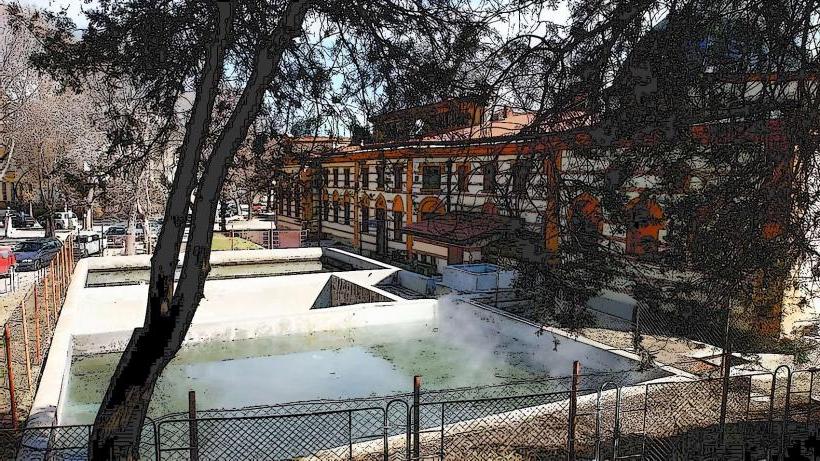
The church was constructed in the 16th century (specifically around 1598) on the site of an earlier medieval sanctuary. It was built during a period when Christian temples were required to be low and inconspicuous to comply with Ottoman regulations. The site is located near the city’s mineral springs, and the surrounding flora consists of centuries-old oak and pine trees that mark the transition into the Hisarlaka park zone.
Key Highlights & Activities
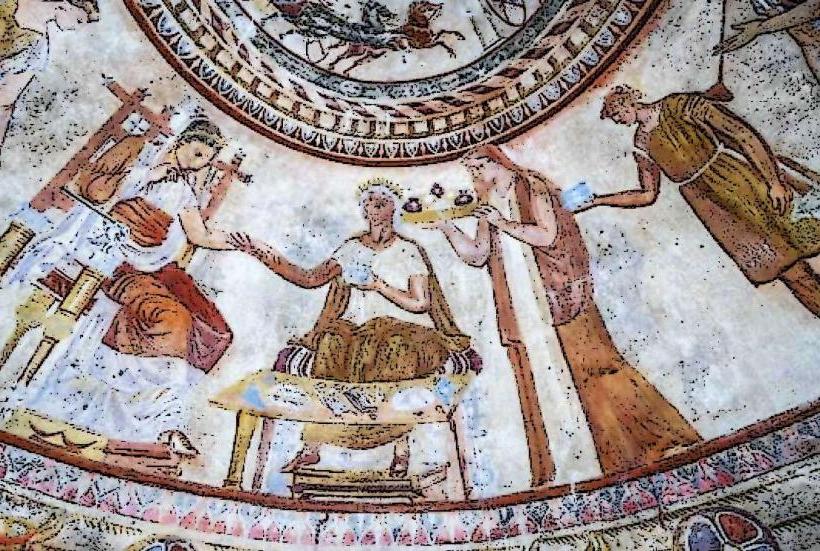
Frescoes: The interior contains fragmented but valuable mural paintings from the late 16th and early 17th centuries, depicting scenes from the life of St. Petka.
Architecture: The building is a prime example of "cellular" masonry where stone and brick are used to create a durable, low-profile structure.
Spiritual Tradition: The church is a focal point for the local "Kyustendil Spring" festivities and remains an active site for prayer and candle-lighting, particularly on the feast day of St. Petka (October 14th).
Infrastructure & Amenities
The church is part of a small complex that includes a courtyard with stone benches. Information boards in Bulgarian and English provide historical context. Public restrooms are not available on-site but can be found at the nearby Hisarlaka park entrance. 5G cellular coverage is reliable.
Best Time to Visit
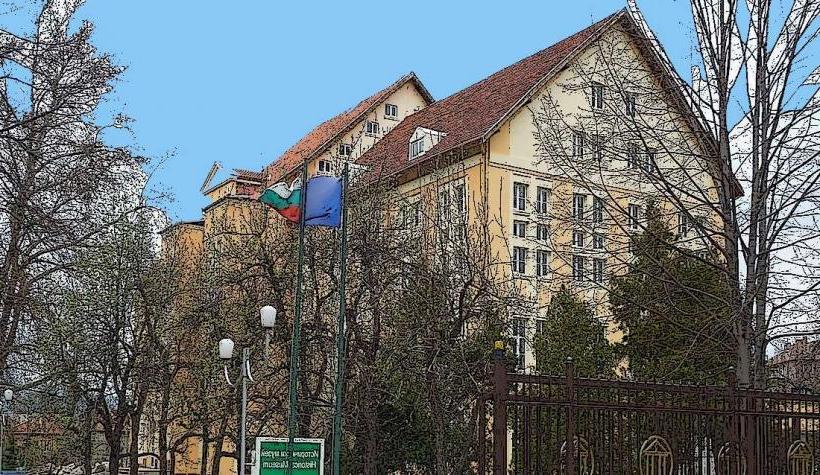
The church is best visited during morning hours when natural light enters through the narrow windows, illuminating the interior murals. It is particularly scenic in the autumn when the surrounding forest of Hisarlaka changes color. Access to the interior may be limited to specific service times or through arrangements with the Regional History Museum.
Facts & Legends
Local legend holds that the church was built by a wealthy local merchant who claimed to have seen a vision of St. Petka protecting the city from a plague. A verified historical fact is that the church survived several earthquakes that damaged other structures in Kyustendil due to its low center of gravity and massive stone foundations.
Nearby Landmarks
Hisarlaka Fortress – 0.4km South (uphill)
Roman Thermae – 0.5km Northwest
Pirkova Tower – 0.6km Northwest
Vladimir Dimitrov "The Master" Art Gallery – 0.7km North
House Museum "Ilyo Voivoda" – 0.9km North