Landmark: Kyustendil Thracian Tomb
City: Kyustendil
Country: Bulgaria
Continent: Europe
Kyustendil Thracian Tomb, Kyustendil, Bulgaria, Europe
While Kyustendil is famous for its Roman Pautalia ruins, it also contains significant Thracian archaeological sites, most notably the mounds and ritual complexes in the surrounding region.
Visual Characteristics
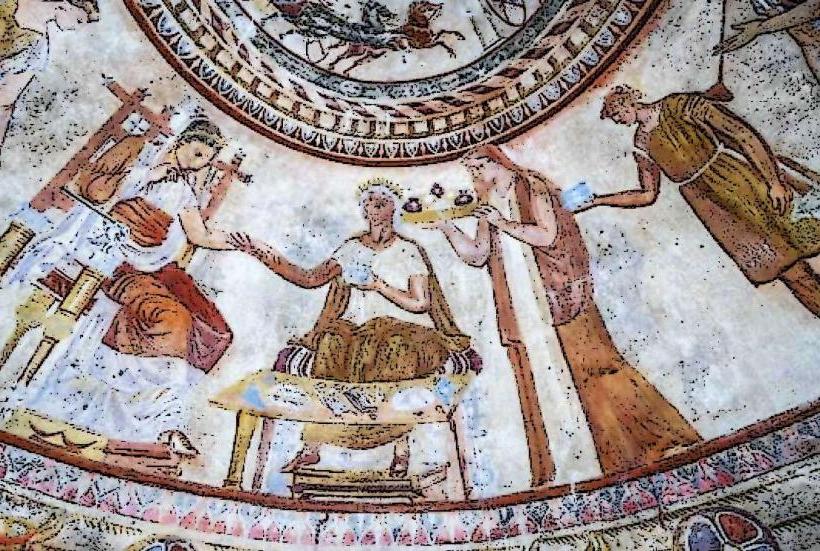
The Thracian burial sites in the Kyustendil region typically take the form of tumuli (burial mounds)-man-made earthen hills that cover stone or brick tombs. Unlike the highly decorated tombs of Kazanlak, the local finds (such as those near the village of Piperkov Chiflik or Dragodan) often feature simpler stone-built chambers or ritual pits. The artifacts found within-jewelry, weapons, and pottery-are primarily displayed in the city's museum rather than at the excavation sites.
Location & Access Logistics
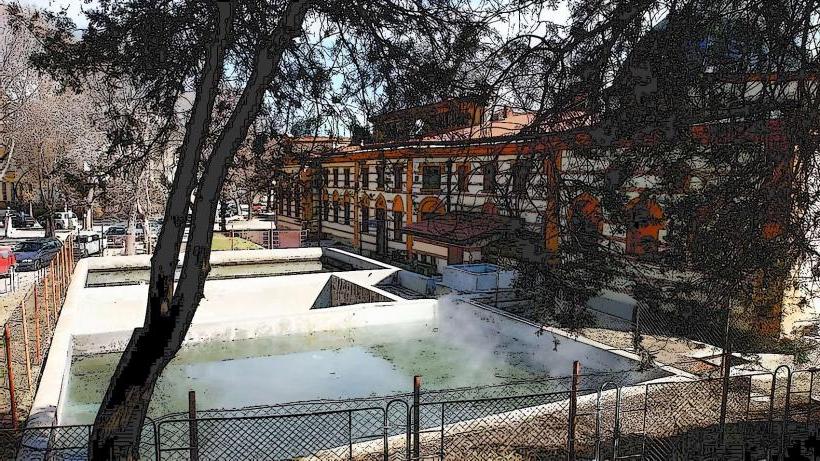
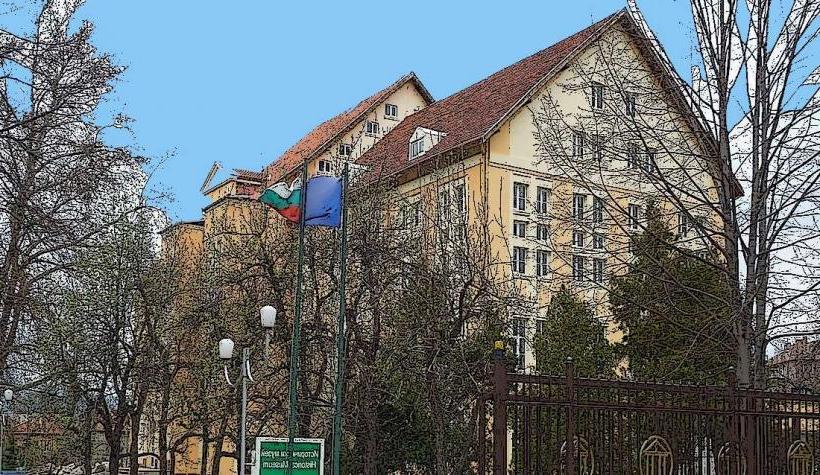
Most of the Thracian "tombs" in the immediate vicinity of Kyustendil are not structured as walk-in tourist attractions. Instead, the results of these excavations are housed in the Regional Historical Museum of Kyustendil, located in the city center near the Roman Thermae.
Museum Address: 2 General Gurko Street, Kyustendil.
Accessibility: The museum is pedestrian-friendly and central. The actual mound sites in the surrounding villages (e.g., Dragodan, 20 km away) are often on private or agricultural land and are not developed for tourism.
Historical & Ecological Origin
The region was inhabited by the Dentheletae, a Thracian tribe that was a loyal ally of Rome. Their burial customs involved both cremation and inhumation within mounds. Notable finds include a 2nd-century BC burial near the village of Dragodan, which contained a significant bronze eagle figurine, symbolizing the high status of the deceased. These sites are typically found in the fertile Kyustendil valley and along the Struma River.
Key Highlights (Museum Exhibits)
Thracian Weaponry: The museum displays iron swords (curved sica), spearheads, and bronze helmets found in local burials.
Gold and Silver Jewelry: Intricately crafted fibulae (brooches), rings, and earrings that demonstrate the Dentheletae’s wealth.
The Dragodan Eagle: A unique bronze figure of an eagle found in a mound burial, reflecting Thracian religious symbolism.
Ceramics: Hand-modeled and wheel-made pottery used for funeral feasts and offerings.
Infrastructure & Amenities
The Regional Historical Museum provides a controlled environment for viewing these finds.
Signage: Exhibits include descriptions in Bulgarian and English.
Facilities: Restrooms, climate control, and a small bookshop.
Connectivity: Stable 5G/4G coverage throughout the city center.
Best Time to Visit
The Museum is open Tuesday through Saturday, 09:00 to 18:00. It is the most efficient way to understand Thracian history in the region, as the actual mounds are often indistinguishable from natural hills to the untrained eye and offer no interior access.
Facts & Legends
The Dentheletae were known as one of the most "civilized" Thracian tribes due to their early and deep contact with the Roman Empire. Legend says their capital was once located in the vicinity of modern Kyustendil, serving as a precursor to the Roman city of Pautalia.
Nearby Landmarks
Roman Thermae (Pautalia): 0.1 km (Adjacent to the museum area)
Pirkova Tower: 0.1 km
Vladimir Dimitrov Art Gallery: 0.3 km
Hisarlaka Fortress: 2.0 km (Overlooking the city)
Ahmed Bey Mosque (Museum Annex): 0.2 km