Landmark: Thracian City of Pautalia
City: Kyustendil
Country: Bulgaria
Continent: Europe
Thracian City of Pautalia, Kyustendil, Bulgaria, Europe
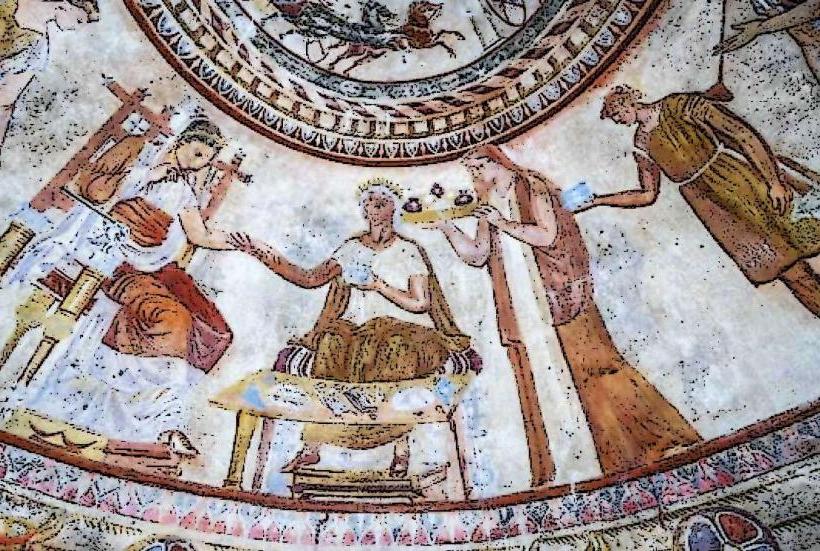
Pautalia is an ancient Thracian and Roman city located in the center of modern Kyustendil, at the foot of the Osogovo Mountains. It was established around thermal springs during the 1st century AD and became one of the largest urban and administrative centers in the province of Moesia Superior.
Visual Characteristics
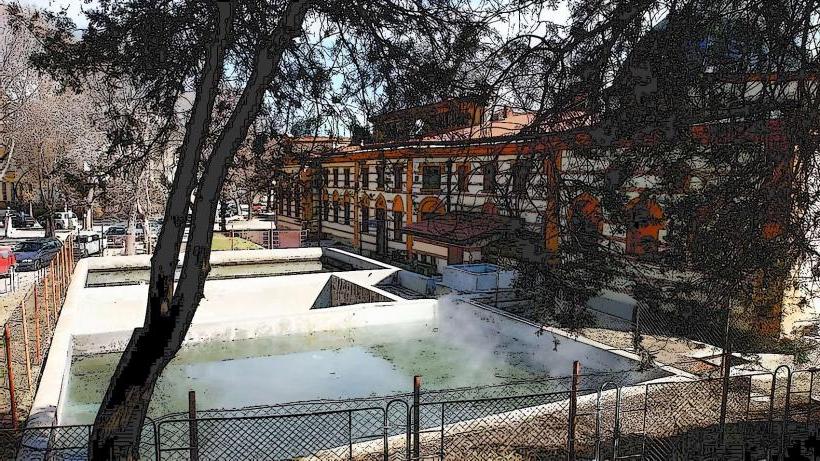
The site features massive Roman fortifications built from alternating layers of stone and brick (opus mixtum). Extant remains include a large Asclepeion (temple of Asclepius) and a public bath complex (thermae) covering 1,000 square meters, constructed with hypocaust heating and marble linings. The city layout follows an orthogonal grid, with excavations revealing granite-paved streets and a complex system of lead water pipes.
Location & Access Logistics
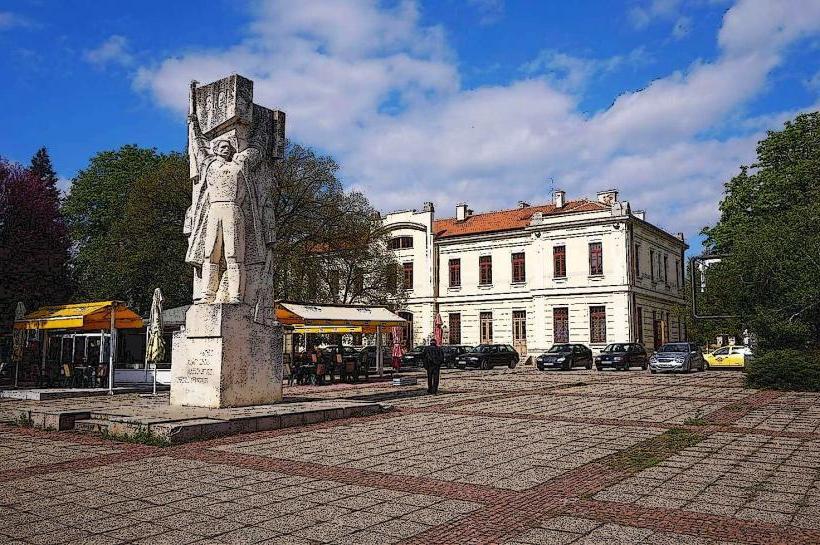
The primary ruins are situated in the central district of Kyustendil, 85 km southwest of Sofia via Road 62. The archaeological reserve is integrated into the city's pedestrian zones. Parking is available in municipal lots on Tsar Osvoboditel Boulevard. Regular train and bus services connect Sofia to the Kyustendil transport hub, located 1.5 km from the main excavations.
Historical & Ecological Origin
Originally a settlement of the Thracian Dentheletae tribe, the city was officially founded as Ulpia Pautalia by Emperor Trajan in 106 AD. It flourished due to the therapeutic properties of the local 74°C mineral springs. The city is positioned on a fertile alluvial terrace of the Banshtitsa River, characterized by volcanic soil and high geothermal activity.
Key Highlights & Activities
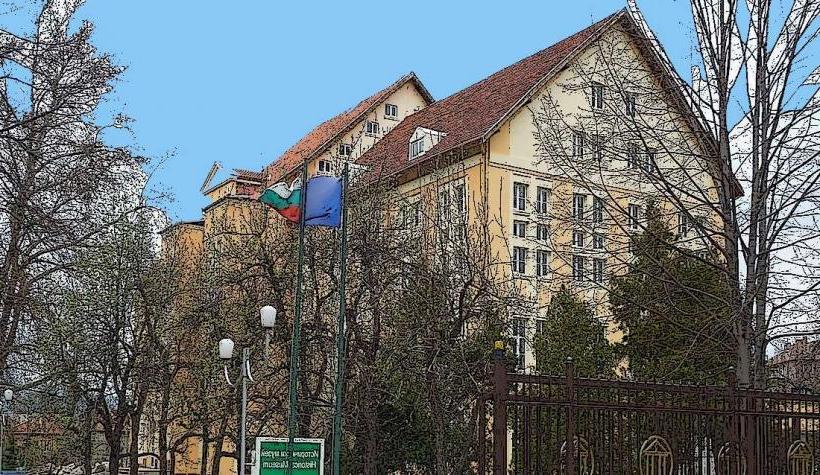
Visitors can explore the excavated Roman baths and the foundations of the late antique fortress on Hisarlaka Hill. The Regional Historical Museum displays a vast numismatic collection of Pautalia-minted coins and marble statues of deities associated with healing. Walking paths connect the various archaeological pockets within the modern city park.
Infrastructure & Amenities
The urban location provides full infrastructure, including public restrooms, pharmacies, and 5G cellular coverage. Shade is provided by the dense vegetation of the Hisarlaka Park. Numerous restaurants and food vendors are located within 100 meters of the central archaeological sites.
Best Time to Visit
The best months for visiting are May through October. Photography of the Hisarlaka Fortress is optimal at sunset to capture the light hitting the western walls and the Osogovo peaks. The thermal baths are best viewed during morning hours when sunlight reaches the excavated subterranean levels.
Facts & Legends
Pautalia was one of only a few Roman cities allowed to mint its own bronze coins, which frequently depicted the local thermal springs and the god Asclepius. Local legend states that the water from the "Healing Spring" was so renowned that Roman emperors traveled from across the Balkans to treat their ailments in the city's marble pools.
Nearby Landmarks
Hisarlaka Fortress – 1.2km South
Ahmed Bey Mosque – 0.2km North
St. George Church (Kolusha) – 1.8km Southwest
Pirin Street Pedestrian Zone – 0.1km East
Chifte Banya (Turkish Bath) – 0.3km West