Landmark: Clark’s Lookout State Park
City: Dillon
Country: USA Montana
Continent: North America
Clark’s Lookout State Park, Dillon, USA Montana, North America
Clark's Lookout State Park is a protected natural area situated in Dillon, Montana, USA. It preserves a significant geological formation and offers recreational opportunities.
Visual Characteristics
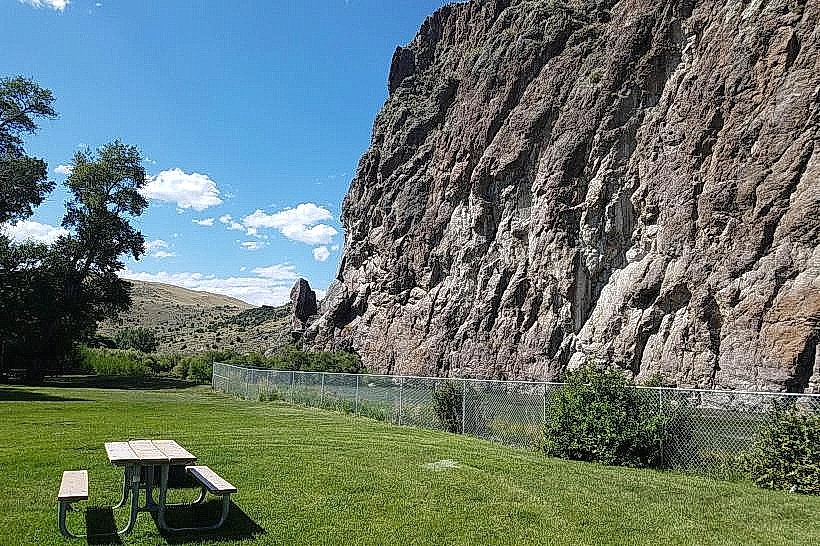
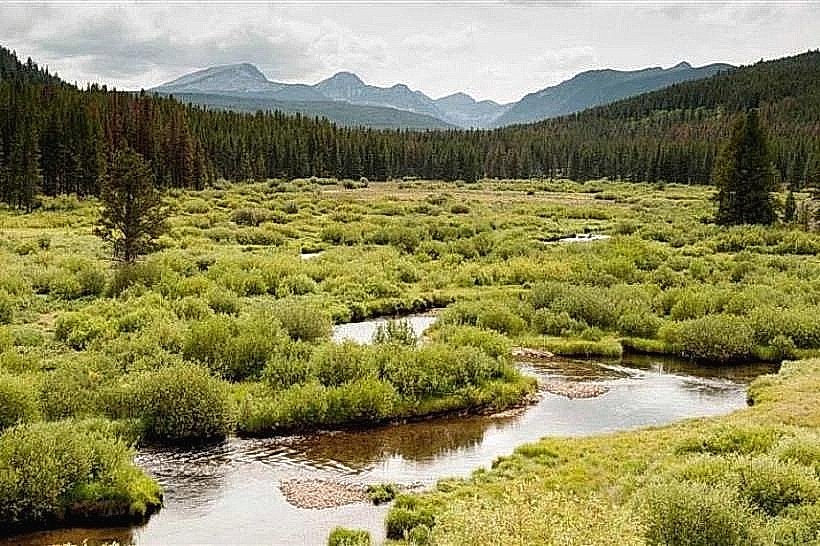
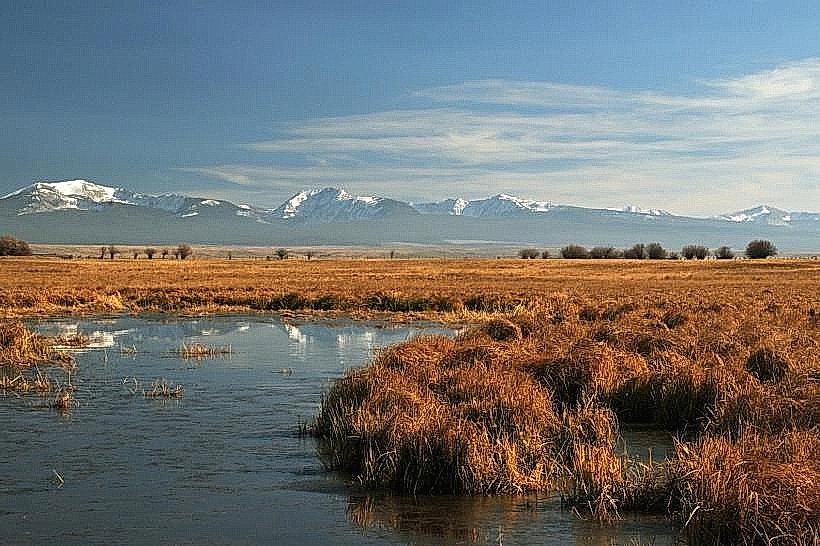
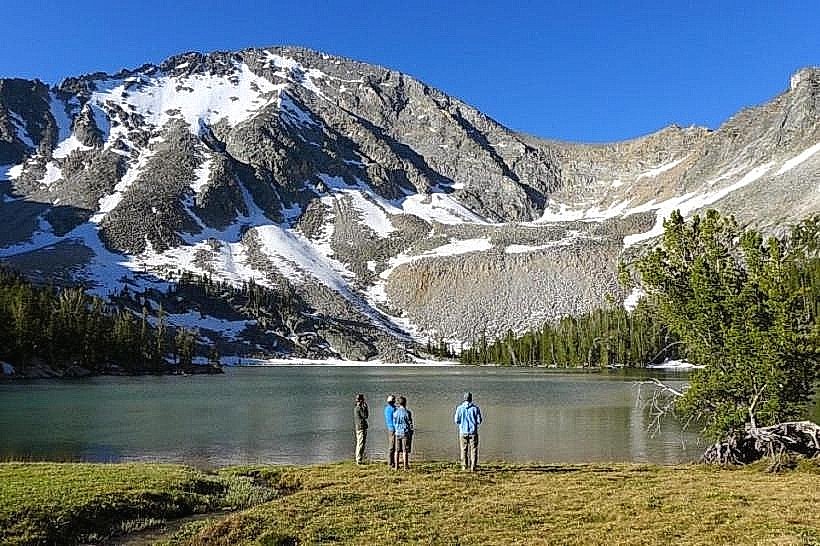
The park features a prominent, eroded sandstone butte. The rock formations exhibit layered sedimentary strata in shades of tan, ochre, and rust. Vegetation is sparse, consisting primarily of drought-resistant grasses, sagebrush, and scattered ponderosa pines at lower elevations. The summit provides an elevated vantage point over the surrounding valley.
Location & Access Logistics
Clark's Lookout State Park is located approximately 3.2 kilometers (2 miles) east of downtown Dillon. Access is via East Montana Street, which transitions into a gravel road leading to the park entrance. A designated parking area is available at the base of the butte. No public transport services the park directly.
Historical & Ecological Origin
The butte is a geological formation composed of sedimentary rock deposited during the Tertiary period. It has been shaped by millions of years of erosion from wind and water. The area was historically used by indigenous peoples and later by settlers for observation due to its commanding view.
Key Highlights & Activities
Hiking is the primary activity, with a well-maintained trail ascending to the summit. The trail is approximately 1.6 kilometers (1 mile) one-way. Observation of geological features and wildlife viewing (e.g., birds of prey, small mammals) are also common. Photography of the landscape is facilitated by the elevated position.
Infrastructure & Amenities
A single parking lot is present. No restrooms or potable water are available within the park. Shade is limited to natural tree cover at the base. Cell phone signal (4G/5G) is generally unreliable at the summit and intermittent in the lower areas.
Best Time to Visit
For photography, early morning or late afternoon light provides optimal illumination of the rock strata. The best months for hiking are from May through October, avoiding winter snow and ice. Midday temperatures can be high during summer months.
Facts & Legends
Local lore suggests that early settlers used the butte as a signal point, using mirrors to communicate with distant outposts. The specific geological layers are known to contain fossilized plant matter, indicating a different climate in the region millions of years ago.
Nearby Landmarks
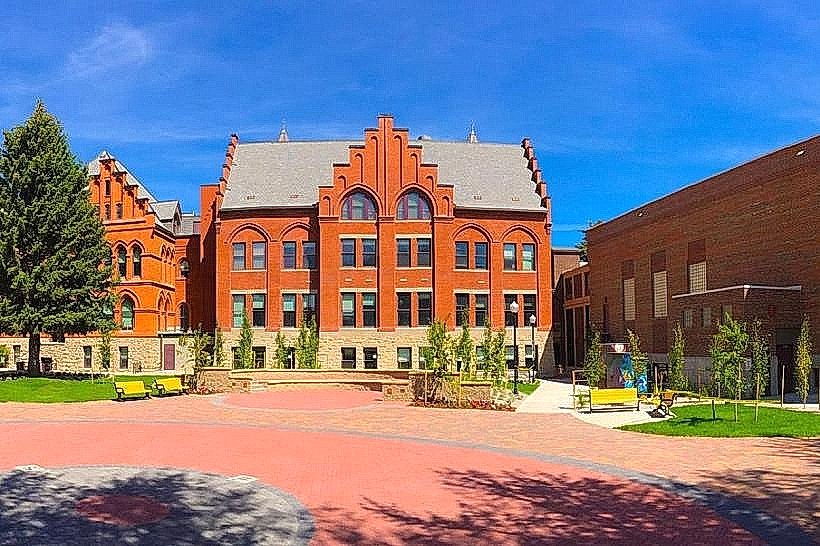
- University of Montana Western (1.5km West)
- Dillon Historic District (2.0km West)
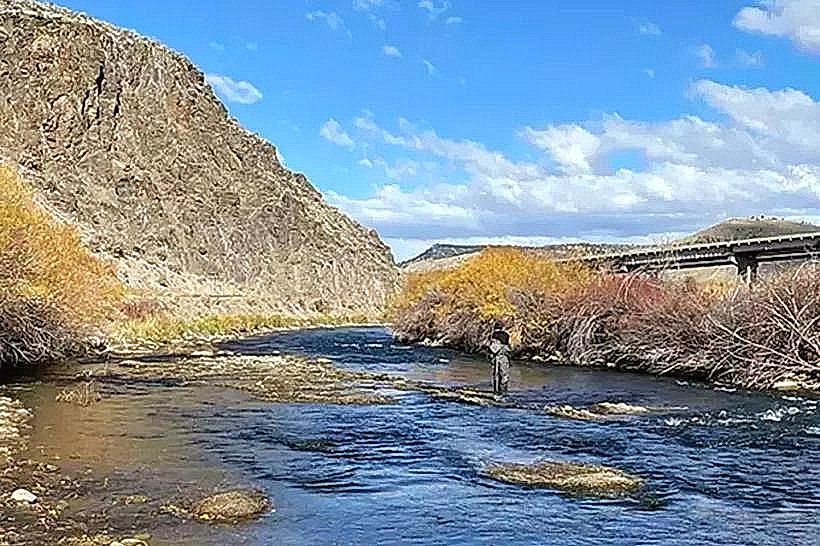
- Beaverhead River (2.5km Southwest)
- Pioneer Mountains (20km East)