Landmark: Dolphin and Whale Watching Tour
City: Moorea
Country: French Polynesia
Continent: Australia
Dolphin and Whale Watching Tour, Moorea, French Polynesia, Australia
This is a boat-based excursion operating from Moorea, French Polynesia, focused on observing marine mammals in their natural habitat.
The tours depart from the island of Moorea, specifically from marinas located on the northern coast.
Visual Characteristics
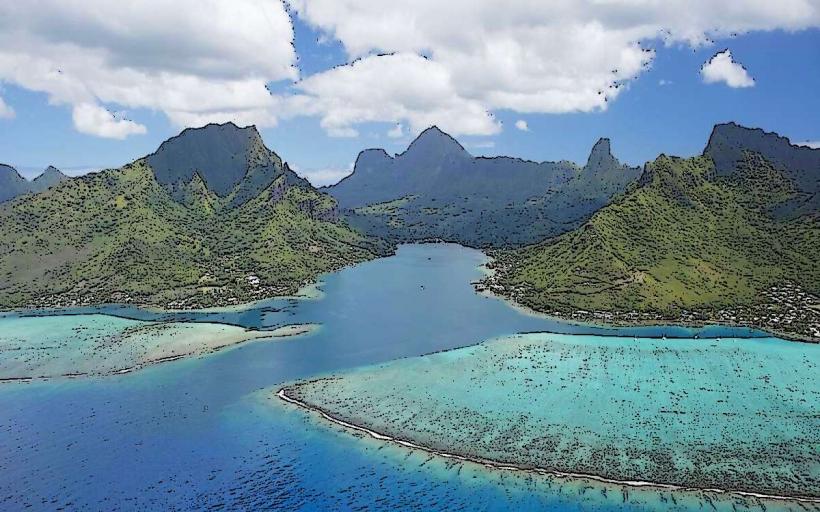
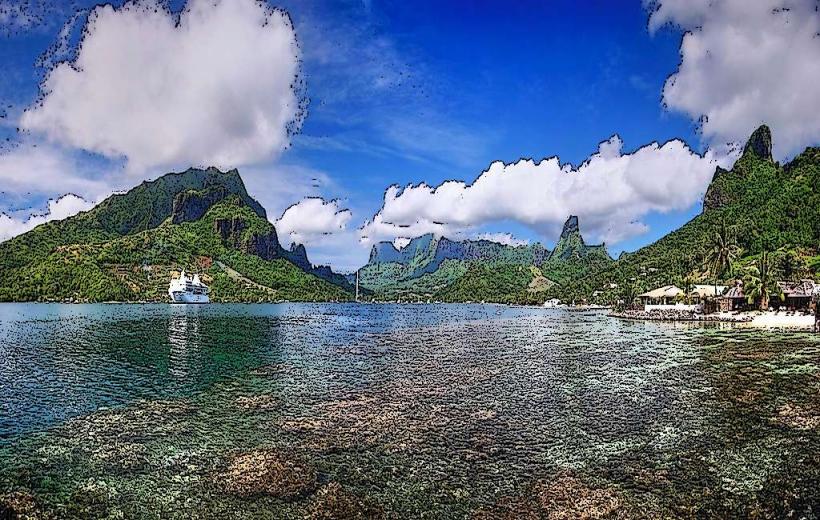
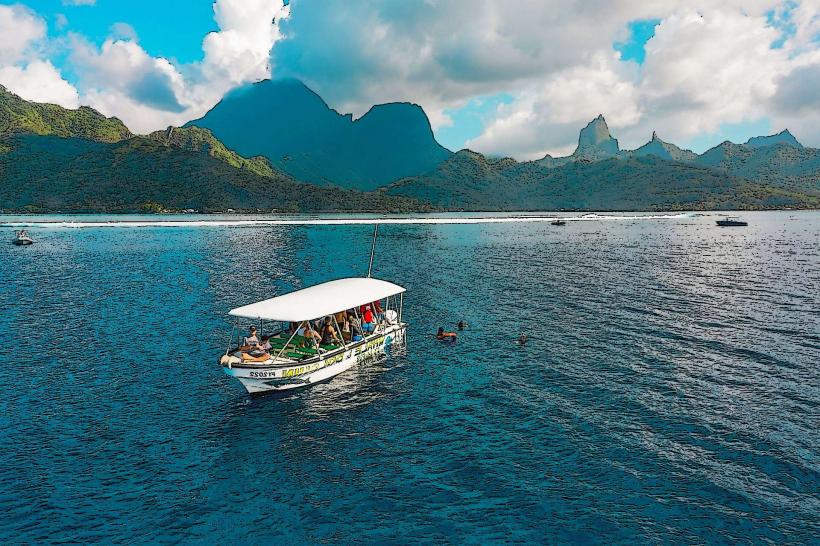
The primary visual characteristic is the marine environment itself. This includes the open ocean, typically with water depths ranging from 50 meters to over 1000 meters. Visibility can vary based on water clarity, which is generally good in this region. The presence of dolphins and whales is the key visual element, with their dorsal fins, spouts, and bodies visible above the water surface. The tour vessels are typically monohull or catamaran boats, ranging from 10 to 20 meters in length, equipped with observation decks.
Location & Access Logistics
Tours depart from marinas on Moorea's northern coast, such as Port de Maharepa or Port de Vaiare. These marinas are accessible by car from major settlements like Maharepa (approximately 3km East) or Afareaitu (approximately 5km West). Public transport on Moorea is limited; rental cars or taxis are the most reliable methods to reach the departure points. Specific bus routes do not directly serve the marinas. Boat transfers are not applicable as the tour itself is the boat transfer into the marine environment.
Historical & Ecological Origin
The historical origin of organized dolphin and whale watching tours in Moorea is linked to the growth of ecotourism in French Polynesia, gaining prominence in the late 20th century. Ecologically, the waters off Moorea are part of the migratory routes and feeding grounds for several cetacean species. Humpback whales (Megaptera novaeangliae) migrate to these warmer waters from Antarctic regions between July and October for breeding and calving. Various dolphin species, including spinner dolphins (Stenella longirostris), are resident year-round.
Key Highlights & Activities
Observation of humpback whales during their migration season (July-October). Identification and observation of resident dolphin species, particularly spinner dolphins, often seen in bays and lagoons. Opportunities for photography of marine life. Educational commentary provided by guides regarding cetacean behavior and conservation. Some tours may offer snorkeling opportunities in designated areas, subject to marine conditions and regulations.
Infrastructure & Amenities
Tour vessels are equipped with seating, shade structures (bimini tops or cabin space), and safety equipment. Restrooms are typically available on larger vessels. Cell phone signal (4G/5G) is generally available on the boat while within proximity to the island. Food vendors are not typically located at the departure marinas; snacks and beverages may be sold on board some tours, or visitors are advised to bring their own.
Best Time to Visit
For humpback whale observation, the optimal period is from July to October. For dolphin sightings, year-round observation is possible, with higher activity often noted in the early morning. The best time of day for photography is generally during the morning hours (08:00-11:00) when lighting is favorable and marine life is often more active. High tide is not a specific requirement for boat tours, but calm sea conditions are preferred, which are more common in the morning.
Facts & Legends
A specific local belief suggests that spinner dolphins, known for their acrobatic leaps, are performing these displays to communicate with the spirits of the ocean. While not scientifically verified, this belief is part of the cultural narrative surrounding these animals in Polynesian culture. A practical tip: wear polarized sunglasses to reduce glare on the water's surface, significantly improving the visibility of marine life.
Nearby Landmarks
- Motu Fareone (0.8km North-West)
- Belvedere Lookout (4.5km South-West)
- Temae Beach (2.0km East)
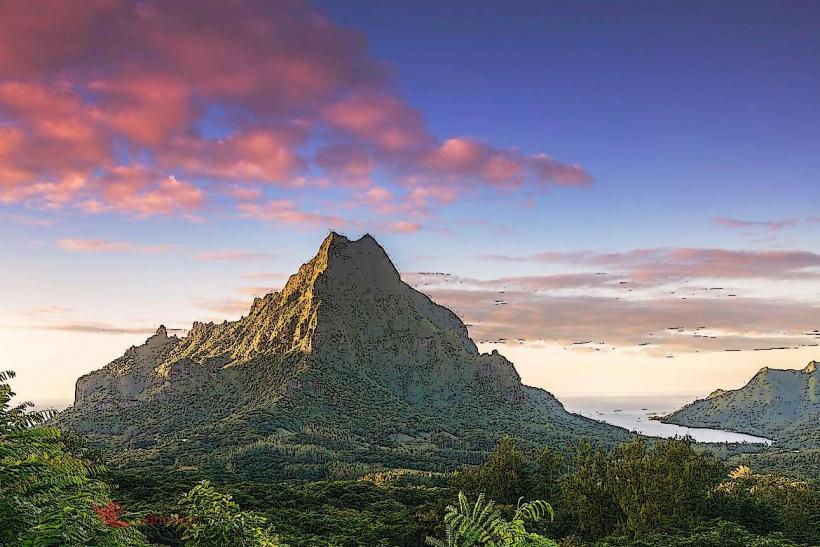
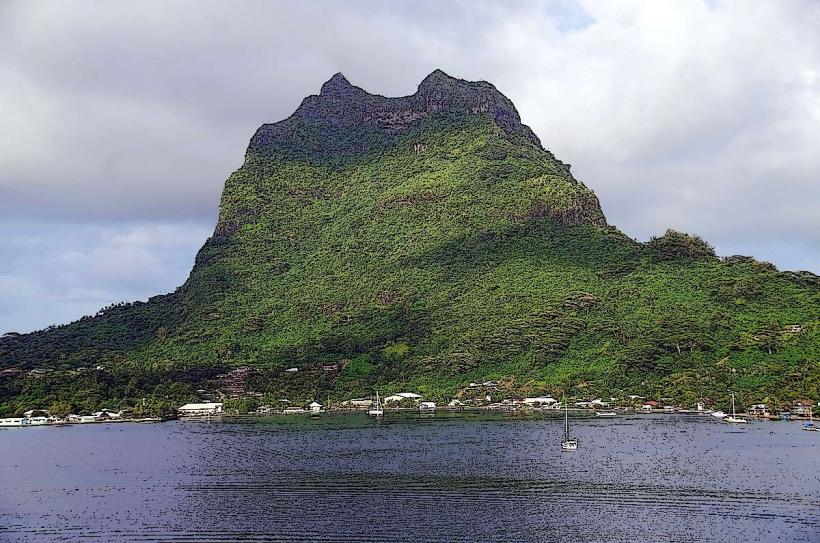
- Mount Rotui (3.5km South)
- Tiaia Beach (1.5km North-East)