Landmark: Gouye Mbind
City: Touba
Country: Senegal
Continent: Africa
Gouye Mbind, Touba, Senegal, Africa
Gouye Mbind is a prominent historic district and religious residential enclave located in the eastern sector of the holy city of Touba, Senegal. It serves as the traditional seat for one of the most influential branches of the Mbacké family, the descendants of Sheikh Amadou Bamba.
Visual Characteristics
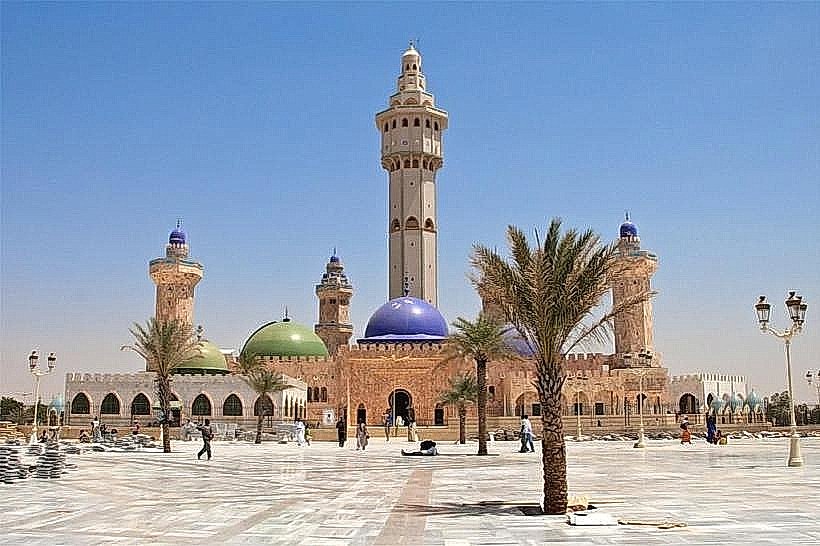
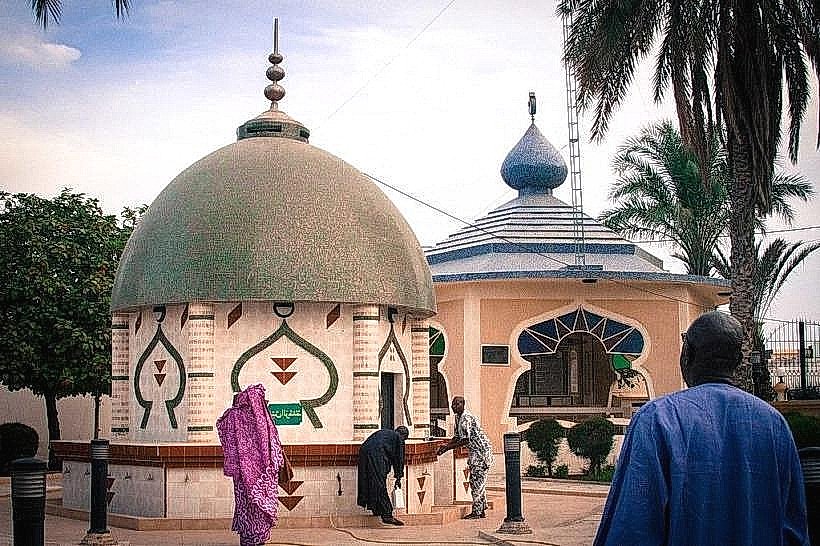
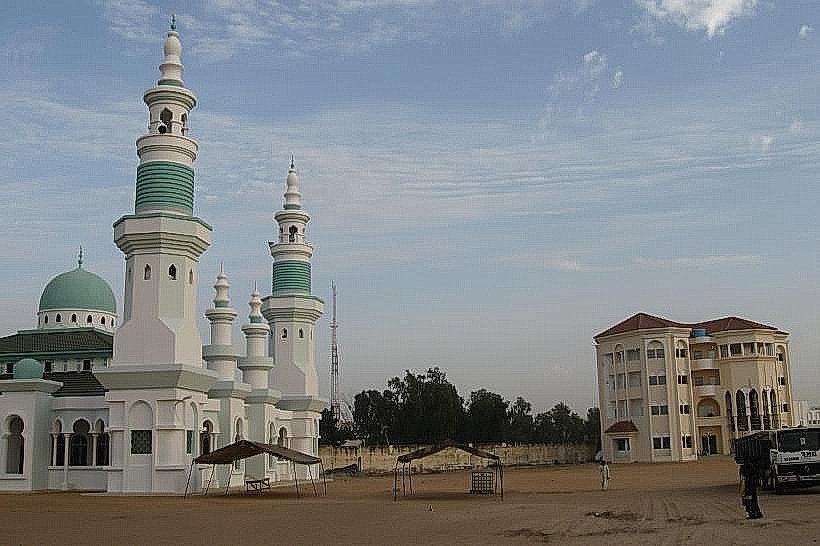
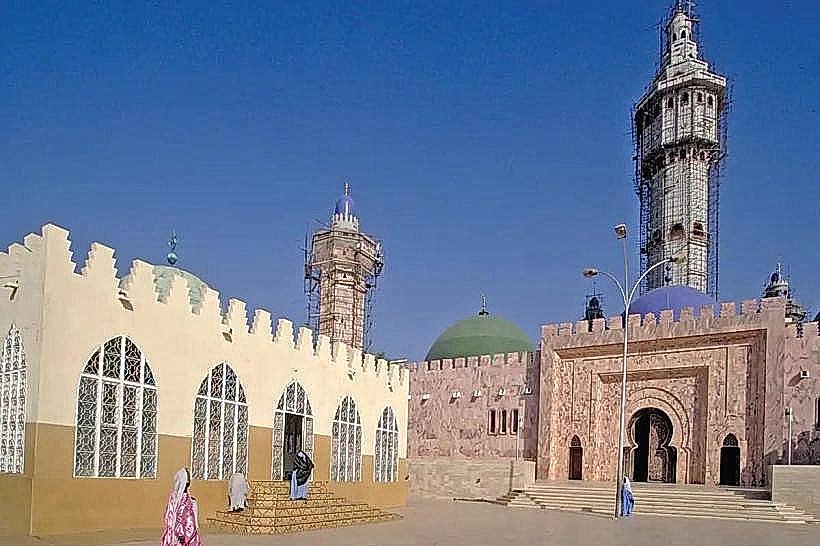
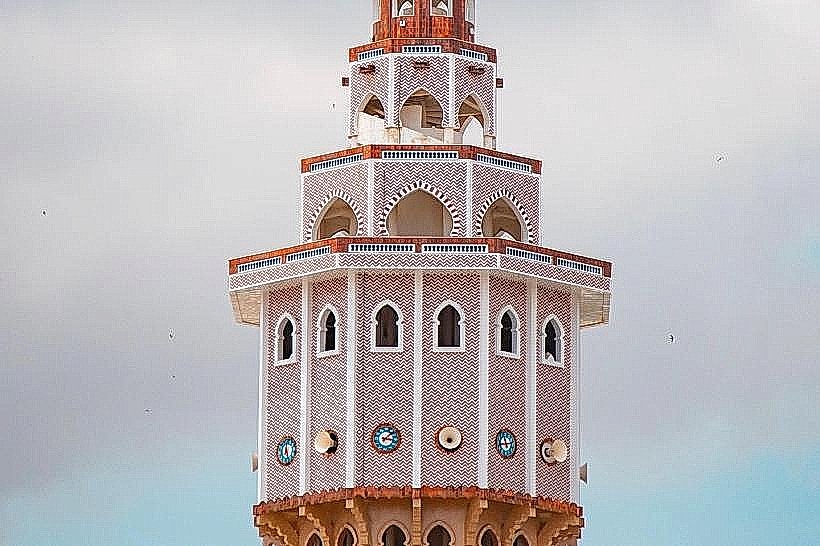
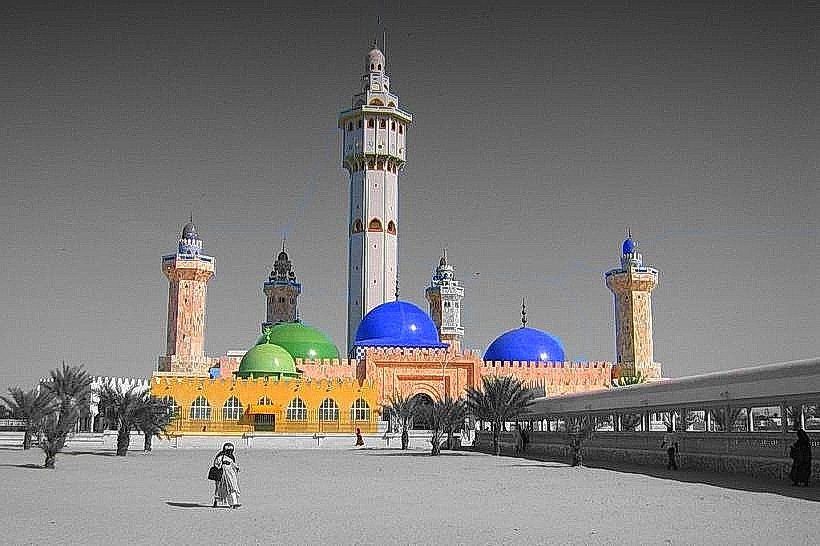
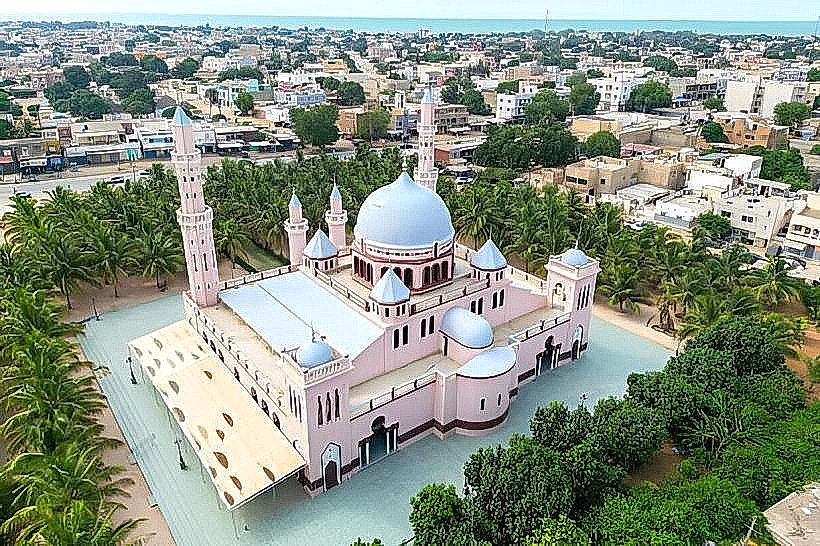
The district is characterized by large, walled residential compounds constructed from reinforced concrete and limestone, often finished in white or pale earth tones. The architecture features ornate iron gates, arched windows, and flat roofs typical of Sahelian urban design. The central area contains a medium-sized mosque with a single minaret and a distinct green dome. Streets are wide and sandy, with occasional neem trees providing intermittent shade against the stark horizontal profile of the surrounding residential blocks.
Location & Access Logistics
Gouye Mbind is situated approximately 1.5km east of the Great Mosque of Touba. Access from Dakar (190km) is via the A1 toll road or the N3 highway to the city’s ring road. Within Touba, the district is reached via the Avenue Cheikh Ahmadou Bamba. Taxis and "clando" (collective taxis) provide transit to the district's main square. While the area is accessible to vehicles, pedestrian movement is the primary mode of travel near the religious residences. Parking is informal and restricted to the sandy verges of the main thoroughfares.
Historical & Ecological Origin
The district was established during the mid-20th century as Touba expanded to accommodate the growing lineages of the Mouride caliphs. It is named after a specific baobab tree ("Gouye" in Wolof) where the foundation of this branch's teaching was established. Geologically, the site sits on the semi-arid Diourbel plateau, characterized by deep sandy soils and a low water table. Historically, it has served as a center for Islamic scholarship and the preservation of the brotherhood's oral traditions.
Key Highlights & Activities
Specific activities include visiting the private residences (daaras) of the religious leaders for spiritual consultation or "Ziarra" (pious visits). The local mosque is a site for communal prayer and the recitation of "Khassaids" (religious poems). During religious festivals, the district hosts large-scale communal meals and theological lectures. Visitors must adhere to the city's strict codes, including the prohibition of tobacco, alcohol, and immodest dress.
Infrastructure & Amenities
The district is serviced by the city's autonomous utility grid, ensuring reliable water and electricity. 4G and 5G cellular signals are robust throughout the area. There are no public restrooms on the streets; facilities are located within the mosque complex or private compounds. Basic retail kiosks and pharmacies are located along the main access roads. Shade is limited to the interior courtyards of the residences and the mosque’s porticos.
Best Time to Visit
The best time for a visit is during the cool, dry season from November to February. To observe the district's religious life, Friday afternoons are most significant, though also most crowded. For photography, the early morning (07:00 to 09:00) provides the clearest light before the dust haze typical of the Ferlo region sets in. The district is extremely congested during the annual Grand Magal pilgrimage.
Facts & Legends
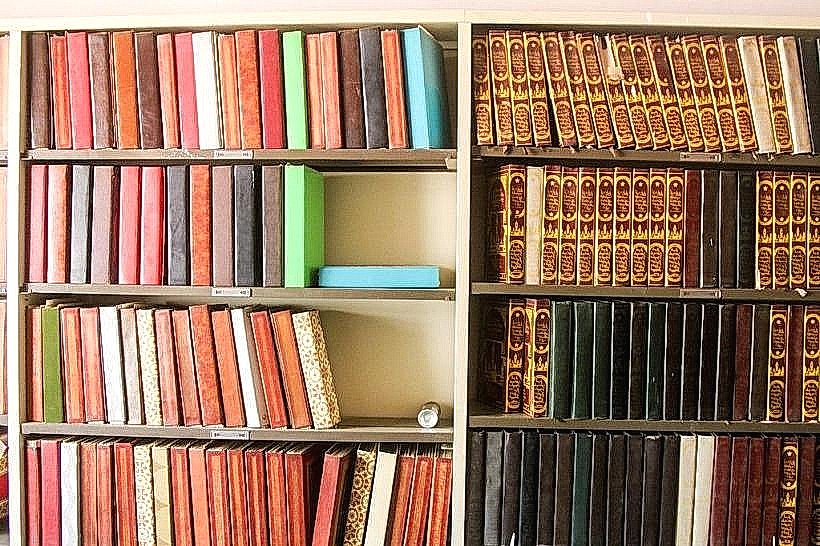
A local historical fact is that Gouye Mbind is renowned for producing some of the brotherhood's most skilled calligraphers, who specialize in transcribing the Quran in the specific "Sudani" script. A local tip for visitors is to look for the historic baobab markers that define the original boundaries of the district, which are considered by residents to be symbols of the city's enduring spiritual growth.
Nearby Landmarks
Great Mosque of Touba – 1.5km West
The Holy Cemetery of Touba – 0.8km South
Mausoleum of Sheikh Ibrahima Fall – 1.2km Southwest
Khadimou Rassoul Library – 1.6km West
Mausoleum of Sheikh Amadou Bamba – 1.5km West