Landmark: Holy Cemetery of Touba
City: Touba
Country: Senegal
Continent: Africa
Holy Cemetery of Touba, Touba, Senegal, Africa
The Holy Cemetery of Touba (Cimetière de Touba) is a massive sacred necropolis located in the eastern sector of the city of Touba, Senegal. It is one of the largest and most significant burial grounds in the Islamic world, serving as the final resting place for millions of Mouride disciples who seek to be buried near their spiritual founder.
Visual Characteristics
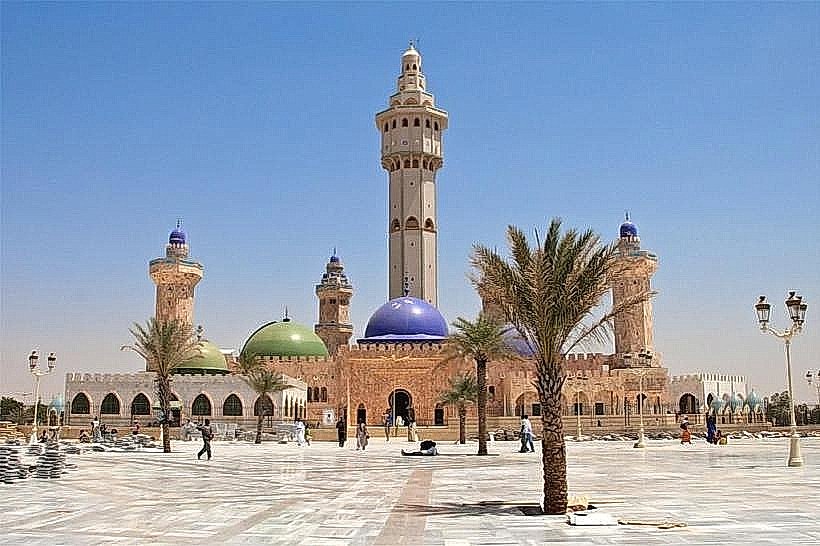
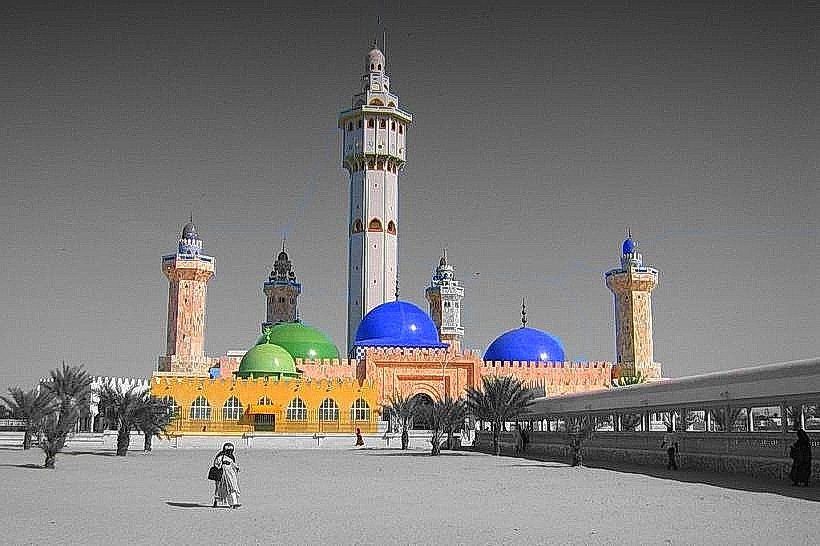
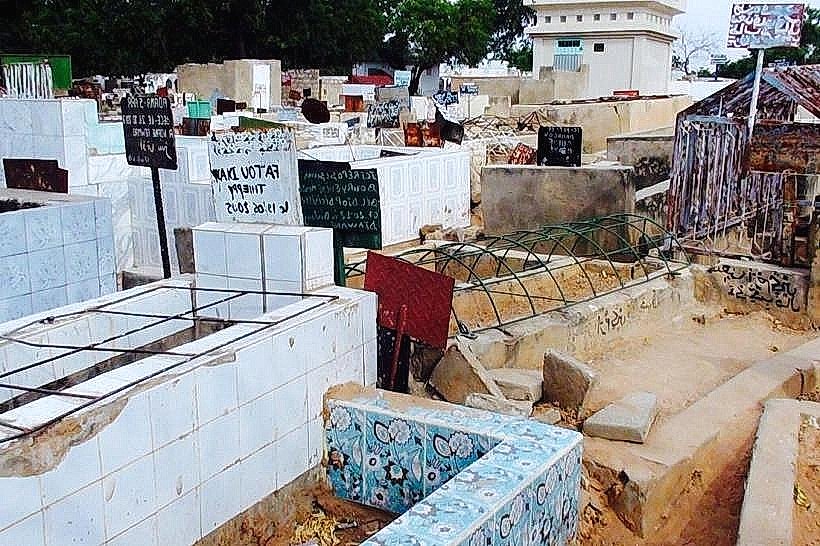
The cemetery is a vast, open expanse characterized by hundreds of thousands of uniform, low-profile graves. In accordance with Mouride tradition and the teachings of Sheikh Amadou Bamba, the graves are remarkably simple-most consist of a rectangular mound of sand or white-painted masonry with a modest headstone. There are no ornate mausoleums for ordinary disciples. The landscape is dominated by white stone, sandy paths, and occasional drought-resistant trees. The sheer scale creates a stark, horizontal white vista that contrasts with the verticality of the Great Mosque's minarets in the distance.
Location & Access Logistics
The cemetery is situated approximately 1.0km east of the Great Mosque of Touba, bordering the Gouye Mbind and Darou Khoudoss districts.
Access: Visitors usually reach the perimeter via the Avenue Cheikh Ahmadou Bamba. Within the cemetery, movement is strictly on foot.
Regulations: Visitors must remove their shoes before entering the burial precincts. Modest dress is mandatory. Photography of individual graves is generally discouraged out of respect for the deceased, though general wide shots of the landscape from the perimeter are often permitted.
Prohibitions: As with the rest of the holy city, tobacco, alcohol, and loud behavior are strictly forbidden.
Historical & Ecological Origin
The cemetery was established shortly after the founding of Touba in 1887. Sheikh Amadou Bamba designated this land as a "sanctuary of peace," believing that those buried there would receive divine mercy. Geologically, the site occupies the flat, well-drained sandy plateau of the Diourbel region. The soil's high permeability and the deep water table make it ecologically suitable for a high-density necropolis in a semi-arid climate.
Key Highlights & Activities
The primary activity is Ziarra (pious visitation).
Funerary Rites: The cemetery is extremely active, with dozens of burials occurring daily. Funerals in Touba are known for their sobriety and speed, emphasizing the transition to the afterlife.
Prayer: Disciples visit the graves of their relatives and prominent religious scholars to recite the Quran and Khassaids.
Mausoleums of the Caliphs: While ordinary graves are simple, the cemetery contains the more defined (though still relatively modest) burial sites of several former Caliphs and high-ranking members of the Mbacké and Fall families.
Infrastructure & Amenities
Expansion: The cemetery has undergone multiple expansions to accommodate the growing population; it now covers several square kilometers.
Utilities: Modern lighting is installed along the main internal paths for evening visits. 4G and 5G cellular signals are robust.
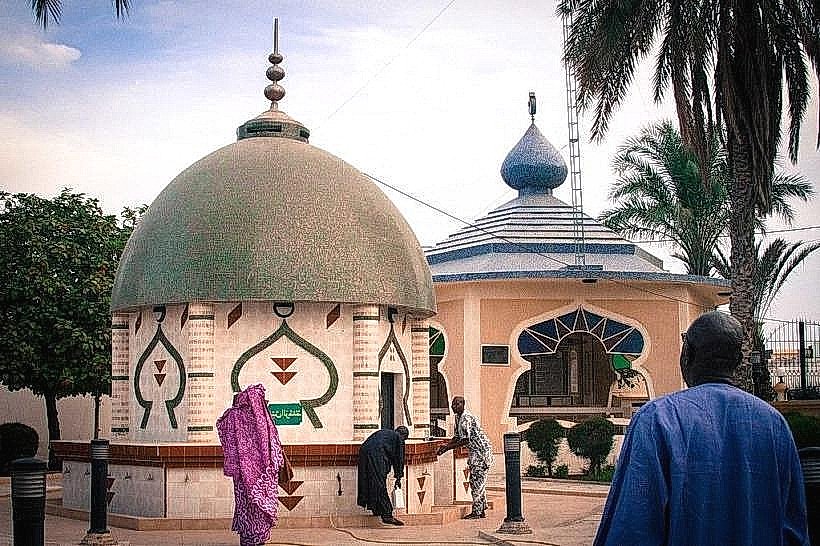
Water: Ablution fountains and water taps are located at every major entrance gate.
Shade: There is very little shade within the central burial zones; however, the entrance gates and perimeter walls provide some cover.
Best Time to Visit
The optimal time for a visit is in the early morning (07:00–09:00) or late afternoon (17:00–18:30) when the heat is less intense. Friday afternoons are the most crowded as many residents visit the cemetery following communal prayers. During the Grand Magal, the cemetery is a primary site of pilgrimage, with millions of people visiting simultaneously.
Facts & Legends
A central belief among Mourides is that any disciple buried in Touba is guaranteed entry to Paradise through the intercession of Sheikh Amadou Bamba. A verified logistical fact is that the cemetery is managed by a dedicated Mouride committee that ensures the orderly placement of graves without charging for the land, as it is considered Waqf (charitable trust). A specific tip for visitors: the "old" section closest to the mosque contains the graves of Bamba's earliest companions and offers the most historical insight into the brotherhood's origins.
Nearby Landmarks
Great Mosque of Touba – 1.0km West
Mausoleum of Sheikh Ibrahima Fall – 0.8km South
Gouye Mbind District – 0.2km North
Well of Mame Cheikh Ibra Fall – 0.9km Southeast
Khadimou Rassoul Library – 1.2km West