Landmark: Well of Mercy
City: Touba
Country: Senegal
Continent: Africa
Well of Mercy, Touba, Senegal, Africa
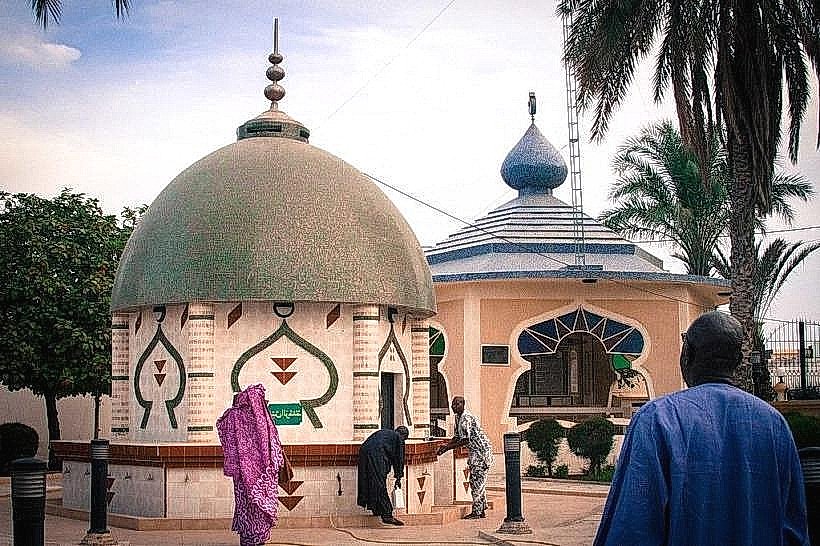
The Well of Mercy, known locally as Aïnou Rahmati, is a sacred water source located within the holy city of Touba, Senegal, specifically situated to the west of the Great Mosque of Touba. It serves as a focal point for spiritual purification and is deeply integrated into the religious life of the Mouride Brotherhood.
Visual Characteristics
The well is housed within a dedicated stone and concrete structure that features Islamic architectural elements such as arched openings and decorative tile work. The immediate area around the well is paved with marble and stone to accommodate the high volume of visitors. The well itself is protected by a traditional stone coping, though modern pumping and filtration systems are used to facilitate the distribution of water to the public.
Location & Access Logistics
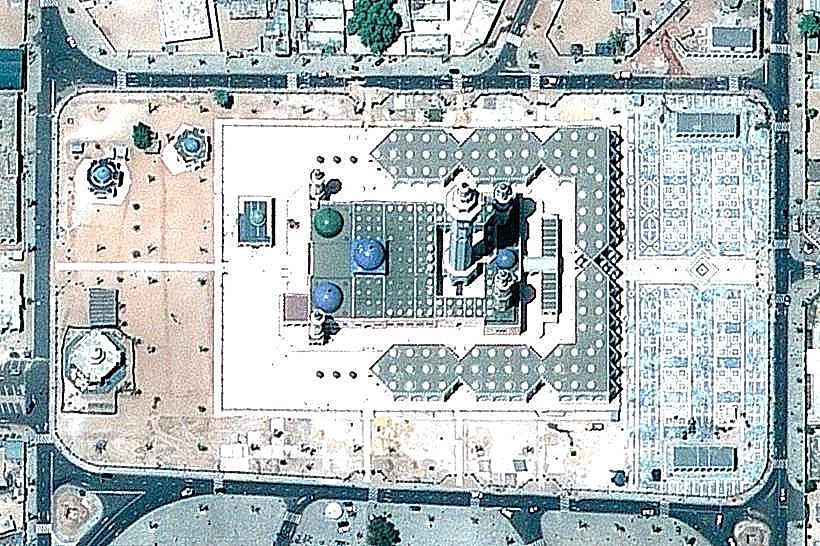
The site is located approximately 0.4km west of the central mausoleum of the Great Mosque. It is accessed via the pedestrian-only zone that surrounds the mosque complex. Visitors arriving from Dakar (190km away) via the A1 toll road or N3 highway must park in the city's peripheral lots and proceed on foot. Access to the well is open to the public, though strict adherence to Touba’s modesty codes-including the removal of shoes and conservative dress-is mandatory.
Historical & Ecological Origin
According to Mouride tradition, the well was discovered by Sheikh Amadou Bamba, who struck the ground with his staff to reveal a spring of fresh water in the middle of the arid Ferlo savanna. Historically, the well provided a vital water source for the early disciples who settled the area during the city's founding in 1887. Geologically, it taps into the deep Maastrichtian aquifer that underlies the Diourbel plateau, which remains a primary source of freshwater for the region.
Key Highlights & Activities
The primary activity at the well is the collection of "holy water," which many followers believe possesses baraka (blessing) and healing properties.
Visitors use plastic containers or traditional jugs to collect water for drinking or for use in religious rituals at home.
The site serves as a location for quiet prayer and reflection, particularly for those seeking spiritual or physical intercession.
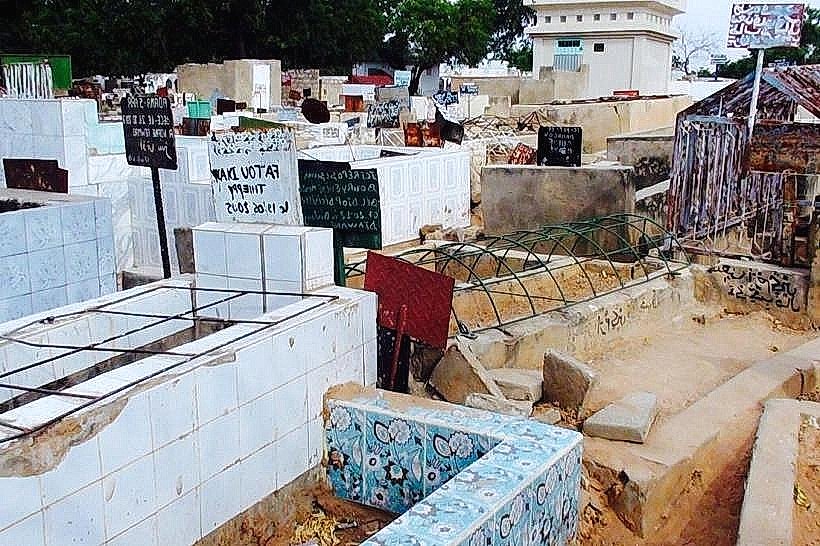
Pilgrims often visit the well as part of a ritual circuit that includes the Great Mosque and the cemetery.
Infrastructure & Amenities
The infrastructure includes a modern distribution system with multiple taps to manage the large crowds during pilgrimage periods.
The area is served by strong 4G and 5G cellular signals.
Public restrooms and specialized ablution areas are located in the immediate vicinity to support the needs of worshipers.
The building provides significant shade from the intense Sahelian sun through its arched galleries and thick masonry walls.
Best Time to Visit
The well is best visited in the early morning (07:00 to 09:00) to avoid the long queues that form during the heat of the day. For photography of the exterior architecture, the late afternoon provides the most balanced light. During the annual Grand Magal pilgrimage, the well is extremely crowded, and wait times for water collection can exceed several hours.
Facts & Legends
A central legend states that the water from the Well of Mercy never runs dry, even during the most severe regional droughts, which is interpreted by the faithful as a sign of divine favor. A specific tip for visitors is that while the water is considered safe for local consumption, those unaccustomed to the local mineral content may prefer to use it symbolically or boil it before drinking.
Nearby Landmarks
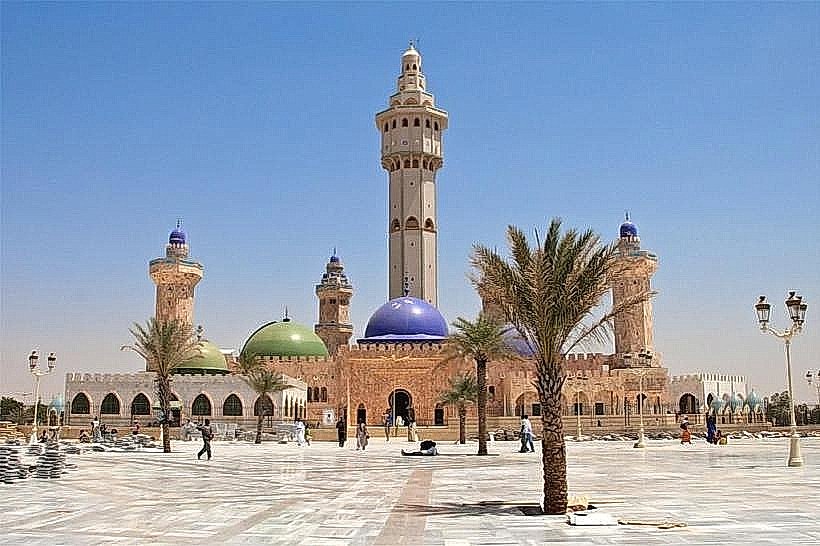
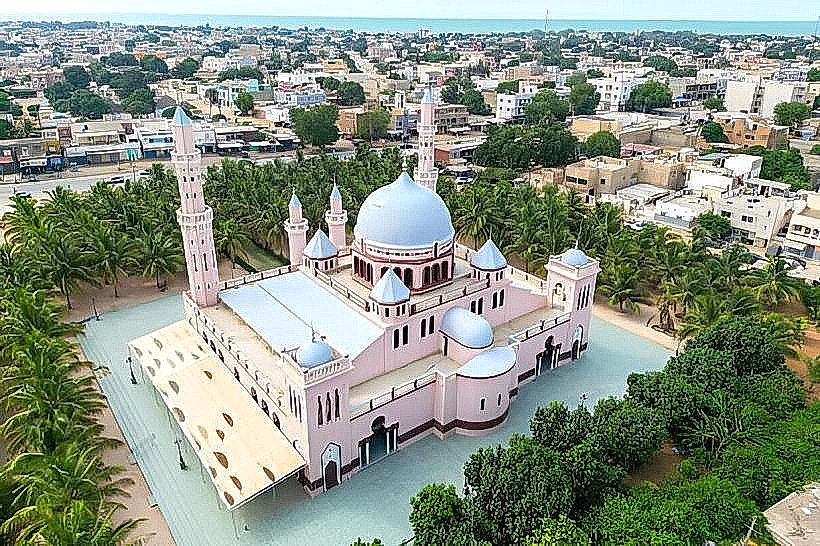
Great Mosque of Touba – 0.4km East
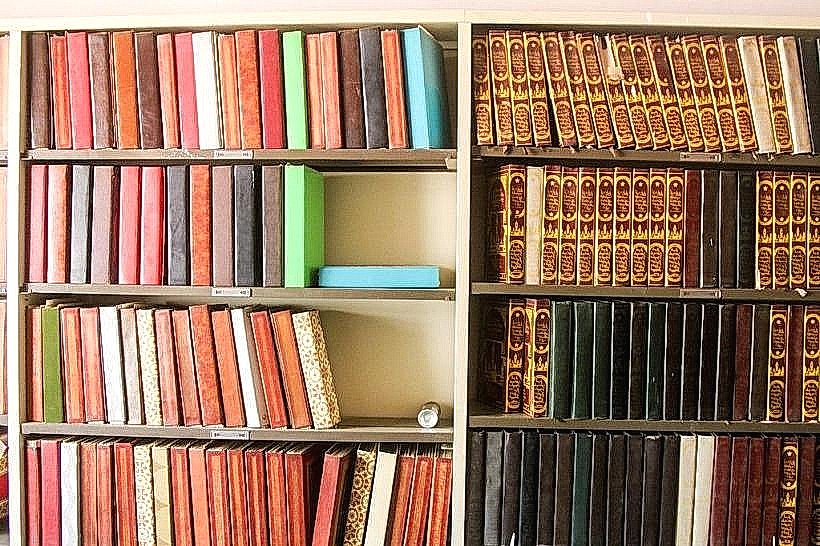
Khadimou Rassoul Library – 0.5km Northeast
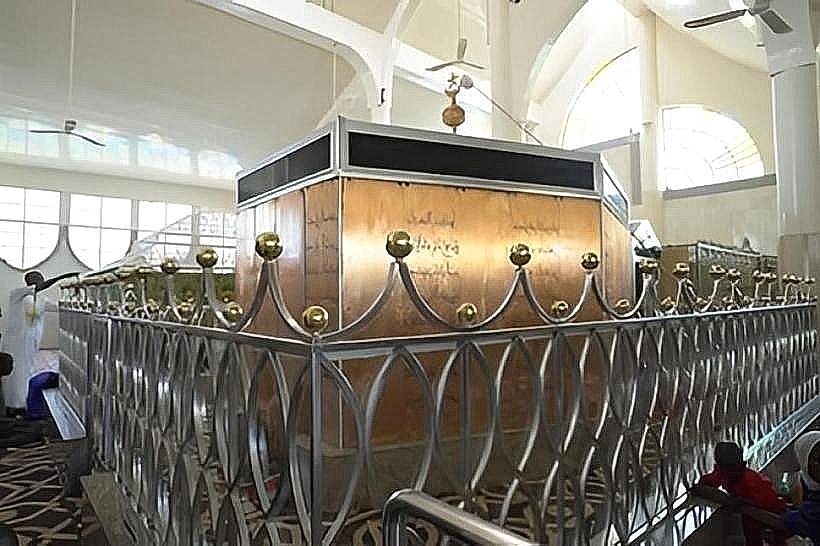
Mausoleum of Sheikh Amadou Bamba – 0.4km East
Residence of the General Caliph – 0.6km Southeast
Lamp Fall Minaret – 0.5km East